

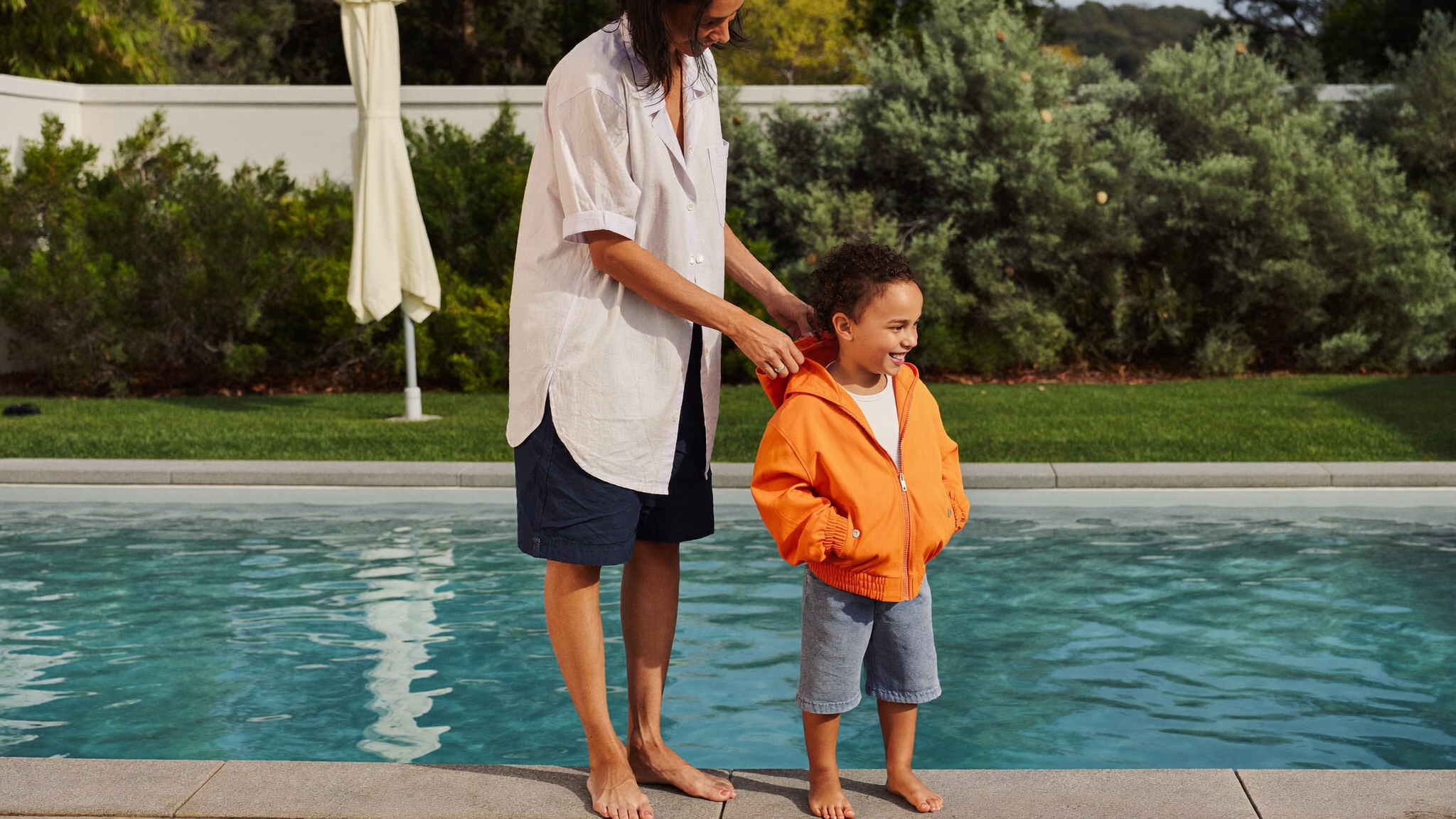
Water activities are a fun part of childhood, especially during warmer months. Whether your family enjoys swimming pools, lakes, rivers, beaches, or even backyard water play, it’s important to remember that water can pose serious risks. Drowning is one of the leading causes of injury-related deaths in children, but many tragedies can be prevented with the right safety measures. Understanding how water safety needs change as children grow can help keep your family safe.
Quick answer: Drowning can happen quickly and quietly, often without splashing or noise, so close supervision is a child’s best protection near any water. Layer in pool fencing, swim lessons, U.S. Coast Guard-approved life jackets for boating, and CPR training. Even strong swimmers still need supervision, since swim lessons alone do not make a child drown-proof.
Why is active supervision so important around water?
Drowning often occurs without splashing, yelling, or obvious signs of distress, which is why active supervision is essential whenever children are near water. For infants and young children, supervision should be constant and uninterrupted. Babies can drown in very small amounts of water, including bathtubs, buckets, kiddie pools, and other containers. Parents and caregivers should stay within arm’s reach of infants and toddlers in or near water, avoid distractions like phones or conversations, and take their child with them if they need to leave the area.
When can my child start swim lessons?
Children can typically begin learning water survival skills as early as age one, depending on their developmental readiness and individual circumstances. It’s important to remember that swim lessons do not make a child “drown-proof.” Even children who know how to swim require close supervision around water.
What pool safety measures should we have at home?
Having multiple layers of protection is extremely important. A home pool should be surrounded by a four-sided fence that separates the pool from the house and yard, with a self-closing, self-latching gate that children cannot easily open. Pool covers, alarms, and locked doors can provide additional protection, but they should never replace proper fencing and supervision. Remove toys from the pool area when swimming is finished, since toys left in or near the water may attract young children who could wander in unsupervised.
How does water safety change as kids grow older?
As children grow older and become stronger swimmers, families can sometimes become less vigilant. However, water safety remains important throughout childhood and adolescence. School-age children should continue to be supervised when swimming, especially in natural bodies of water where conditions can change quickly. Currents, waves, underwater hazards, and sudden drop-offs can make lakes, rivers, and oceans more dangerous than pools.
What water safety rules should I teach my child?
Kids should never swim alone and should always use the buddy system. Teach them to ask permission before entering the water and to follow pool rules at all times. Running near pools and diving into unknown depths can increase the risk of injury.
Do life jackets matter, and which ones are safe?
Children should wear a properly fitted, U.S. Coast Guard-approved life jacket when boating or participating in water activities where there is a risk of falling into deep water. Water wings, inflatable toys, and pool noodles may be fun, but they are not safety devices and should never be relied on to prevent drowning.
How does water safety change for teens?
For teenagers, water safety conversations should include discussions about risk-taking. Teens may overestimate their swimming abilities or participate in unsafe activities around water, such as swimming in unsupervised locations, diving into unfamiliar water, or engaging in dangerous stunts. Parents should reinforce the importance of making responsible decisions and respecting water safety rules. Learning CPR is another valuable step for families, since it can help save a life while waiting for emergency responders to arrive.
Frequently asked questions
Can a child drown even if they know how to swim?
Yes. Swimming lessons are valuable, but they do not make a child “drown-proof.” Even strong swimmers still need close supervision, since drowning can happen quickly and quietly.
When can my child start swimming lessons?
Children can typically begin learning water survival skills as early as age one, depending on their developmental readiness and individual circumstances.
Are pool floaties a safe substitute for supervision?
No. Water wings, inflatable toys, and pool noodles may be fun, but they are not safety devices and should never be relied on to prevent drowning.
What should home pool fencing look like?
A four-sided fence that separates the pool from the house and yard, with a self-closing, self-latching gate that children cannot easily open, provides the strongest layer of protection.
If you have questions about swimming readiness, water safety, or swim lessons for your child, please call our office. Peninsula Pediatrics proudly cares for families across the Rockaways.


