

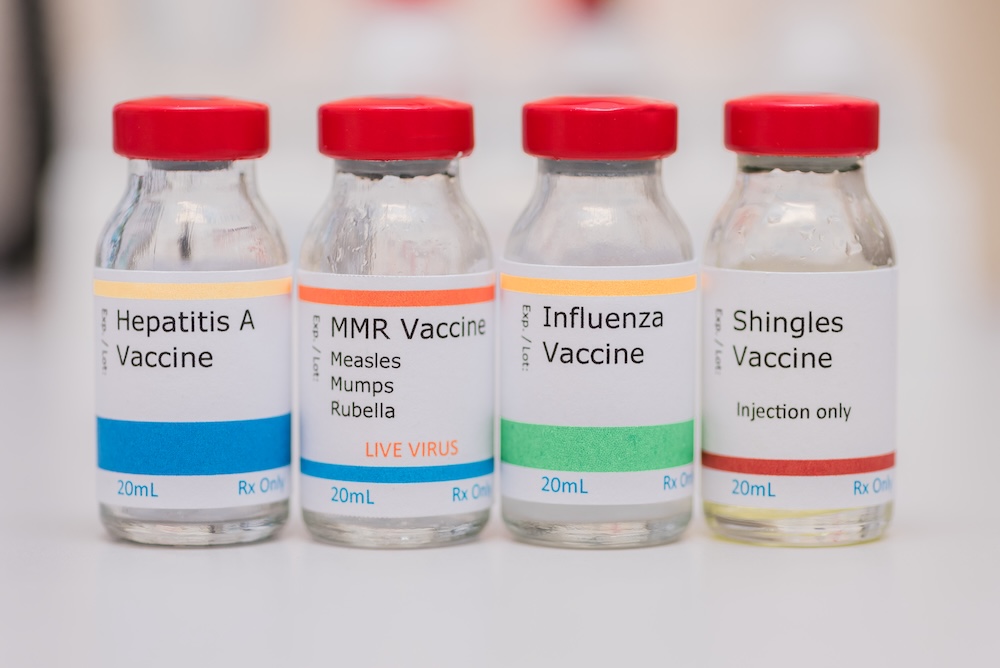
Vaccines protect children from serious infectious diseases that can cause widespread illness and even death. As more vaccines have been added to the recommended childhood schedule, many parents understandably have questions about how and when these vaccines are given. One common topic is combination vaccines which protect against more than one disease in a single shot. In this blog, we cover what they are, why they’re used, and why separating vaccines into individual shots isn’t recommended.
What Are Combination Vaccines?
Combination vaccines are multiple vaccines given at the same time through one injection. Instead of receiving several separate shots spaced out over weeks or months, children receive immunizations that have been combined into one or a few products. For example, a single shot might protect against diphtheria, tetanus, and pertussis (whooping cough), often referred to as DTaP, instead of three separate injections. This approach has become a standard and evidence-based practice in pediatric care.
Why Use Combination Vaccines?
There are several strong reasons why combination vaccines are part of routine immunization schedules. Below is a list of them.
- Fewer Needle Sticks Means Less Stress
Children typically do not enjoy shots, and multiple injections at different times can be stressful for both kids and families. Combination vaccines reduce the number of injections needed, which means fewer moments of discomfort and anxiety during doctor visits. Health professionals know that helping children have more positive experiences with healthcare helps build trust and cooperation over time.
- Protection Sooner and with Fewer Visits
Combination vaccines allow children to be protected against multiple diseases without waiting for many separate appointments. Delaying vaccines to separate them out means delaying protection. Each vaccine is scheduled at a time when it’s most effective for your child’s immune system. Giving all recommended vaccines on schedule, including combination vaccines, helps ensure your child develops immunity at the right time and doesn’t go without protection longer than necessary.
- Strong Evidence of Safety and Effectiveness
Some parents worry that giving multiple vaccines at once might overwhelm a child’s immune system. Research shows that children’s immune systems are naturally equipped to handle exposure to many germs at once. Every day, kids encounter thousands of different bacteria and viruses in their environment. The antigens in combination vaccines represent a tiny fraction of what a child’s immune system processes naturally. Extensive studies confirm that combination vaccines are safe and effective at helping children build immunity to multiple diseases simultaneously.
- Reducing Missed Opportunities for Immunization
Every healthcare visit is a chance to protect a child. When multiple vaccines are offered together, it decreases the risk that a child will miss a recommended vaccine. Offering vaccines in combination helps ensure children are fully immunized on time, to help them avoid catching or spreading preventable illnesses.
What About Separating Vaccines?
Some parents wonder if separating vaccines could reduce side effects or be gentler on a child’s immune system. However, there is no scientific evidence that spacing out vaccines protects children better or reduces risk. In fact, delaying vaccines can have downsides such as increasing time without protection against serious diseases, more pediatric visits and needle sticks which can be stressful and disruptive, and higher likelihood of missing recommended vaccines completely due to schedule changes or life events. The recommended vaccine schedule, including the use of combination vaccines, is carefully designed by experts who evaluate safety, effectiveness, and the best timing for developing immunity. Following this schedule offers the strongest protection for your child with the fewest unnecessary delays.
What About Side Effects?
Like all vaccines, combination vaccines can have side effects, most of which are mild and temporary, such as soreness at the injection site, fussiness, or a low-grade fever. These are normal signs that the immune system is responding to the vaccine. Serious side effects are rare, and healthcare providers are trained to recognize and respond to them if they occur.
Trusting the Science
The safety and scheduling of vaccines, including combination vaccines, are based on decades of careful research, monitoring, and review by scientists, pediatricians, and public health experts. Children’s immune systems are remarkably capable of responding to multiple immunizations at once, and giving combination vaccines delivers powerful protection with fewer injections.
If you have questions about how combination vaccines work or want to understand the timing of your child’s immunizations, your pediatrician is always your best resource. We’re here to provide evidence-based answers and to support your family as you make decisions that protect your child’s health.


