

Noise Safety for Children

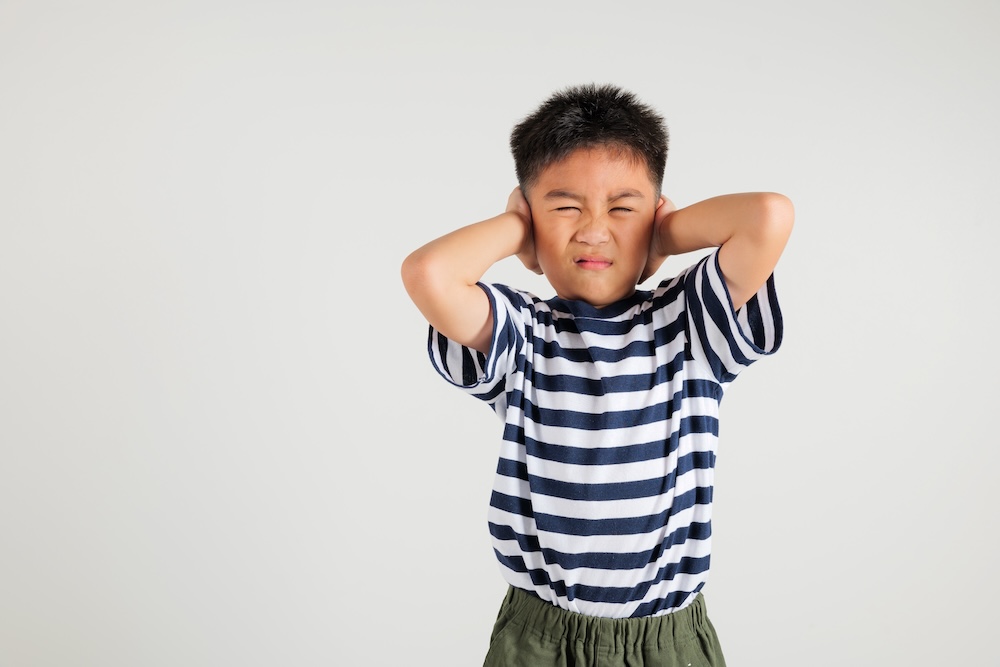
In today’s world, there are so many sources of loud noise exposure, such as high TV volumes, video games, loud music, buzzing toys, construction sites, and fireworks, to name a few. Excessive noise is detrimental to hearing, but kids are among the most vulnerable to prolonged noise exposure. Children’s ears are still developing, and their ear canals are smaller, which means sound waves become more concentrated. Exposure to loud sounds, especially for a long period, can cause permanent hearing loss or damage, even if the child doesn’t show symptoms immediately.

The risks can also go beyond hearing loss. Loud noise can increase stress levels, raise blood pressure, cause sleep disruptions, interfere with learning, and lead to behavioral issues. Additionally, when your child is exposed to loud sounds during the critical period of their development, their ability to develop speech and language skills, like reading and listening, can be hindered. Long-term noise exposure into adulthood can even increase the risk of a heart attack. Children with autism or special sensitivities are more likely to be disturbed by loud noise. 

To keep your children safe from loud sounds, it’s important to be aware of acceptable noise levels for kids. According to the American Academy of Pediatrics, noises at or above 85 decibels (about the level of a hairdryer or a food processor) can start causing hearing damage after prolonged exposure. Stay alert for warning signs of hearing trouble, as children may not always recognize or express hearing issues. Warning signs include complaints of muffled sounds, constantly asking people to repeat what they said, turning up the volume of hearing devices higher than usual, or struggling with speech and concentration. If your child expresses that they’re hearing a ringing or buzzing sound in their ears, that could be a sign of tinnitus, which is associated with many forms of hearing loss.

Noise is part of everyday life. However, there are many things parents can do to prevent hearing damage and other harmful effects from prolonged noise exposure. Setting volume limits is essential. Teach your child to keep the volume at half or less when using headphones or devices. Many phones and tablets have volume-limiting settings built in. Create rules about the appropriate maximum volume to watch TV and play music, and make sure the whole family follows them. Whenever possible, avoid running any loud appliances or the dishwasher close to and during bedtime. When it comes to picking out toys with sounds, choose ones that let you control the volume or aren’t too loud. It’s also important to take noise breaks to give your child time for their ears to recover from background noise or noisy environments. You might want to set quiet zones in your home where there is minimal noise and your child can play, rest, or read. At loud events like concerts, sports games, or fireworks shows, give your child earplugs or earmuffs. Children with autism or ADHD can benefit from noise-canceling headphones. 

For babies, you might consider using infant sleep machines that emit white noise to drown out environmental noise. However, some of these can also produce hazardous noise levels. If you choose to use them, only use them for a short period and keep them as far from your baby’s head as possible. 

 If you notice any signs of hearing loss or damage, call our pediatrician to schedule a hearing checkup.

Introducing Your Child to a New Sibling

Welcoming a new baby into the family is an exciting time, but it also brings significant changes, especially for your other children. Whether your child is about to become a big sibling for the first time or already has siblings, their response will vary based on age, personality, and how you prepare them for the transition. As a parent, you may feel a mix of joy and concern, wondering how your older child will cope with shifting routines, new responsibilities, or feelings of jealousy. It’s best to approach the conversation with your child with empathy, understanding, and reassurance. Here are some strategies to help ease the transition for your growing family. 

Young children under the age of four are often the most sensitive to changes in the family dynamic. At this age, kids are deeply attached to their parents and may feel confused or left out when attention shifts to a newborn. You might notice some regression, such as a return to baby talk, clinginess, bathroom accidents or sleep disturbances. This is usually temporary; the most effective way to handle it is to reassure your child that your love for them will not diminish because of the new baby. It’s also helpful to explain to them why babies need extra care, but that doesn’t mean the new baby will replace them. Make sure to spend quality time with them and validate their feelings, while setting boundaries. Once your child feels less threatened by your newest addition, they will have an easier time adapting. 

Another way to ease your child’s anxiety about the new baby is to help them feel involved in the planning process and taking care of the baby. Include them in your shopping trips to pick out baby clothes and supplies. Let them help with changing baby’s diaper or picking out clothes.  Reading books to them about becoming an older sibling can also help them feel more connected to the idea of a new family member and appreciate them in their life.  

Children between the ages of four and seven are old enough to ask more questions and voice their concerns. They may worry about their role in the family changing or feel uncertain about what to expect. Reading books or watching programs about new siblings can help them feel prepared and make the idea feel less intimidating. They can also be involved in tasks like decorating the nursery or packing a hospital bag. Let them know they have an important role to play as a big sibling, and express appreciation when they offer to help. Praise goes a long way in reinforcing positive behavior and helping kids feel proud of their new role in the family.

Older children and teens may not seem jealous as younger children, but they can still struggle with the disruptions that a new baby brings. Changing routines, sleep deprivation, and shifting attention from parents can all contribute to stress and even resentment. Encourage your child to share their thoughts and feelings. It’s important to be honest with them, but remind them of the positive aspects a new baby brings. While there might be challenges, your child will have opportunities to teach their younger sibling fun things like riding a bike when they’re older or play games with them. When kids see the things they get to look forward to, it makes accepting a new sibling easier. 

Bringing a new baby into your home is a big adjustment for the whole family. But you can make the transition easier and help your child become a supportive older sibling through open communication, empathy, and reassurance.   Please call our office if you have questions or concerns about your child adjusting to a new sibling.

Measles Outbreak: What Parents Need to Know

The recent measles outbreak is causing many parents to feel concerned. Measles is a highly contagious viral infection that can cause serious complications, especially in young children.As cases are currently on the rise, it’s important for families to understand the symptoms, how to prevent measles, and what to do if their child is exposed. In this blog, we provide essential information about measles and how to best protect your children 

Measles is caused by a virus that spreads easily through coughing, sneezing, or direct contact with an infected person. It can also travel along air currents and infect people in a different room. The virus can linger in the air and on surfaces for up to two hours as well. Even brief exposure is risky, and those who have conditions that cause a weaker immune system are at greater risk of infection. If someone has become infected with measles, they are contagious even before they start experiencing symptoms and can be contagious for up to 4 days after they get a rash. Symptoms may begin to appear 8-12 days after exposure. The most common symptoms include a high fever, rash, runny nose, red, watery eyes, diarrhea, and ear infection. Some kids might have small white spots (also known as Koplik spots) that appear inside the mouth. Children with measles can feel very ill,and the rash can last longer than a week.

Measles is considered a dangerous disease because it can lead to severe illness especially in those with weakened immune systems, such as babies, children, and those who are pregnant. Other potential complications include hearing loss from ear infections, pneumonia, and brain swelling that can cause seizures or brain damage.  

Some families might wonder if vitamin A can prevent or cure measles. While getting enough vitamin A can help reduce the severity of the disease, it is not a preventative method. During a measles infection, however, the virus can cause a vitamin A deficiency. Therefore, if a child is diagnosed with measles, the pediatrician may recommend two doses of vitamin A, 24 hours apart and for a total of two days. It’s important to keep in mind that vitamin A should not be used to prevent measles and that giving your child too much vitamin A can cause nausea, vomiting, headaches, fatigue, joint and bone pain, blurry vision, skin and hair problems, high pressure in the skull, liver damage, and even a coma. Most kids get vitamin A from a healthy diet, and babies get the vitamin from breast milk or formula. If you believe your child needs a supplement, talk to the pediatrician first.  

The best way to protect your children from measles is to get them vaccinated with the MMR vaccine. Children should receive the first dose when they are 12-15 months old and the second dose when they are 4-6 years old. Children who are at higher risk may need three doses. The MMR vaccine can provide lifelong immunity to measles and can help prevent the spread of the disease. It is also safe, and contrary to some beliefs, it does not cause autism. Occasional side effects can occur, like a fever, skin tenderness, or a rash. Babies under the age of one should have limited exposure to crowded areas whenever possible, especially during an outbreak. They should also be kept away from any sick individuals. 

If you think your child has been exposed to measles, contact our pediatrician right away. To schedule your child’s vaccination, please call our office.