


Helping Kids Who Are Struggling in School

It can be difficult for parents to see their child struggle in school or fall behind. Whether it is trouble keeping up academically, difficulty focusing, or frustration with learning, these challenges are more common than many families realize. With early support, understanding, and the right strategies, children can build confidence and improve their ability to learn and succeed.

Quick answer: Start by understanding why your child is struggling, talk with them calmly, connect with their teacher, build a supportive routine at home, and seek extra help when needed. Encouragement and emotional support matter as much as academics.

Why might my child be struggling in school?

Struggles can happen for many reasons. Some children have learning differences that affect how they process information, while others deal with attention challenges, anxiety, or gaps in foundational skills. In some cases the issue is social or emotional rather than academic. Taking time to understand the root of your child’s challenges is an essential first step.

How should I talk to my child about school?

Talk to your child in a calm and supportive way. Start by asking open-ended questions about school, what feels hard, and what they enjoy. Connecting with your child’s teacher can also provide valuable insight. Teachers often identify patterns, such as difficulty following instructions or challenges with specific subjects, and can help guide next steps. Because struggling children often feel discouraged, focus on effort rather than outcomes and celebrate small wins.

How can I support learning at home?

A consistent routine for homework and study time gives children structure and predictability. A quiet, organized space free from distractions makes it easier to focus. Help break tasks into smaller, manageable steps so your child does not feel overwhelmed. Instead of tackling an entire assignment at once, encourage short, focused intervals with breaks in between.

When does my child need extra help?

For some children, additional support may be needed. This could include extra help at school, tutoring, or specialized services if a learning or attention issue is identified. Evaluations can help determine whether a child would benefit from accommodations or individualized learning plans.

How do I support my child’s emotional wellbeing?

Children who struggle may feel frustrated, anxious, or embarrassed. Helping them develop coping skills, such as taking breaks, asking for help, or practicing calming strategies, can help. Remind your child that their worth is not defined by grades and that everyone learns in different ways and at different paces. Modeling a positive, patient attitude toward learning encourages kids to approach challenges the same way.

Frequently asked questions

Why might my child be struggling in school?

Struggles can come from learning differences, attention challenges, anxiety, or gaps in foundational skills. Sometimes the issue is social or emotional rather than academic. Understanding the root cause is an important first step.

How can I support my child’s learning at home?

Set a consistent routine for homework, provide a quiet and organized space free from distractions, and break tasks into smaller steps with short, focused intervals and breaks in between.

How can I encourage a discouraged child?

Focus on effort rather than outcomes, celebrate small wins, and remind your child that learning takes time and mistakes are okay. Encouragement and reassurance help protect motivation and self-esteem.

When should I seek extra help for my child?

If your child continues to struggle, talk with their teacher, and consider tutoring, evaluations, or specialized services. Pediatricians, school counselors, and specialists can help identify underlying issues and recommend resources.

If your child is still struggling in school, remember that you can always seek support. Pediatricians, school counselors, and specialists can help identify underlying issues and recommend resources. If you have any questions or concerns, please call our office. Peninsula Pediatrics proudly cares for families across the Rockaways.
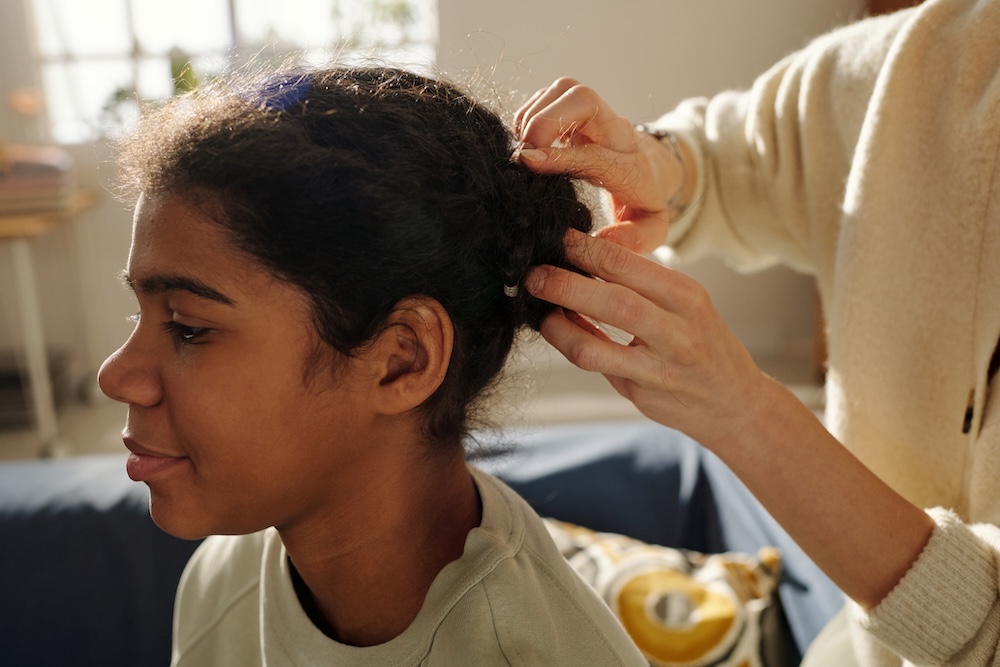

Head Lice: A Guide for Parents

Head lice are a common issue for families, especially those with children in elementary school. While anyone can get them, lice tend to spread more easily among younger kids because they’re more likely to have head-to-head contact with friends or share items like hats, brushes, or hair accessories. Although lice can cause stress, itching, and discomfort, it’s important to remember that they are not dangerous and can be treated effectively at home. Knowing how to identify lice, how to treat them, and which common myths to ignore can help parents manage the problem with confidence.

What Are Head Lice and Nits?

Head lice are tiny, wingless insects about the size of a sesame seed. They are usually gray, brown, or pale in color and survive by feeding on small amounts of blood from the scalp. Without a host, lice cannot survive longer than a day. Their eggs are called nits, and they are oval-shaped and usually yellow or white. Nits are attached firmly to hair shafts near the scalp and hatch within 7 to 12 days. An adult louse can live for around 28 days. Because lice spread mainly through direct head-to-head contact, children are the most common group affected. They can also spread through shared items like combs, helmets, or hats, but lice do not jump or fly. They are crawling insects only.

Signs of Head Lice and How to Check

Persistent scalp itching is often the first sign of head lice. This irritation comes from an allergic reaction to the lice’s saliva. Itching is often most noticeable behind the ears and at the base of the neck. However, keep in mind that the itching may not appear until four to six weeks after lice are first present. To check for lice, use bright lighting and part the hair in small sections, and then carefully examine the scalp. Because lice move quickly, you may not always see the insects themselves, so checking for nits is key. Unlike dandruff or other scalp debris, nits cling tightly to the hair and cannot be brushed away easily.

Treating Head Lice

Once you’ve confirmed lice, treatment should begin right away. The most reliable method is careful combing, sometimes used in combination with medicated treatments. Some home remedies, like applying mayonnaise, butter, olive oil, or margarine, are often suggested but have no proven effectiveness. Over-the-counter treatments may also fail in some cases because lice have grown resistant to certain ingredients. For this reason, it’s best to consult your pediatrician about prescription-strength options.

When using a medicated treatment, apply it to your child rather than letting them handle it themselves. Always follow package instructions closely. Rinse the product out over a sink with warm water, and consult your pediatrician before repeating the treatment. After applying medication, use a fine-tooth comb to remove any remaining lice and nits. Combing should be done every couple of days for 2–3 weeks, or as long as the instructions recommend, to ensure all lice are gone.  The most effective method is combing lice out and while this can be done at home, there are also multiple salons that specialize in this and can do it for you to effectively remove all lice and nits which will stop the infestation right away.

Cleaning and Preventing Re-infestation

To avoid lice returning, wash any bedding, clothing, hats, or towels your child used within two days before treatment in hot water. Items that can’t be washed should either be dry-cleaned or sealed in a plastic bag for two weeks. It’s also a good idea to check all household members for lice to prevent re-infestation.

 For any questions or concerns about head lice, please call our office. 


Helping Your Teen Decide on College

Hearing back from college applications can cause a great deal of anxiety for adolescents and families. Kids might be worried that they won’t get accepted into the college of their dreams or feel uncertain about which college to choose when they receive acceptance from a few. After all, choosing the right college is a big step and can be overwhelming. To make this process easier, break down the different factors to help your child determine which path to take. 

One aspect to start with is your child’s academic, career, and life goals. Universities tend to have strong reputations in certain fields or have programs that are tailored to specific career endeavors. For example, some schools might be known for their science or business programs, while others might be known for art disciplines or sports. Consider your child’s specific goals and interests and decide on a college that is best aligned with them. It’s helpful to speak to a university’s program advisor and read through their course catalog to get a better sense of the school’s offerings and if they provide the learning value and experiences your child is looking for. 

The school environment is also an important factor to consider. Some kids might prefer large campuses, while others prefer smaller ones. Whether the school is in a metropolitan city or a small town can also matter. Talk to your kid about the type of environment that they would be most comfortable in and discuss the different lifestyles associated with each so that they have an idea of what to expect and can decide accordingly. 

For children with learning disabilities or special needs, finding a college that has the right accommodations and support systems is essential. Take a look at what the university offers in terms of academic resources and counseling, and make sure that they provide what your child needs.  

In addition to programs, location, environment, and resources, the cost of the university can also be a determining factor. While tuition is a major part of the cost, you’ll also want to keep in mind the other expenses, including housing, transportation, and supplies. You may find the tuition of a local school to be higher than a school that’s far away, but if your child does not need to pay for housing, the overall cost can even out, or the local school with the higher tuition may end up being less expensive. We recommend taking a look through financial aid options as well as scholarship opportunities available that can help with covering expenses. Whenever possible, it’s beneficial to have your teen visit college campuses and attend tours. They’ll get the opportunity to talk to other students and get a sense of the environment before deciding.

Keep in mind that while it’s helpful to guide your teen in their decision-making, let them take the lead. Ultimately, your child needs to decide what school is best for them and the life journey they wish to embark on. But let them know that if they are uncertain about what major they wish to study or have concerns that they won’t end up liking the university they select, they can transfer to another school later, change their major, or start as undeclared.

Lastly, sometimes hearing back from college applications can bring disappointing news when your child gets a rejection letter, especially if it’s from a university they were hoping to get accepted to. This is an opportunity to remind your child that setbacks are part of life, but don’t dismiss their feelings. Instead, you can help them reframe this experience by letting them know that this one decision won’t hinder achieving their dreams but rather present a different route. Acknowledge their accomplishments, skills, and potential, and encourage them to focus on these as they move forward. 

Finishing up the final year of high school and dealing with college applications can be both exciting and stressful and bring up a variety of emotions. We recommend checking in with your child often and making sure that they’re eating well and getting enough sleep. If your child is struggling, please don’t hesitate to call our office.