

Spring Activities for Kids

Spring is a great time for children to get outside, enjoy warmer weather, and try new activities. After months of colder temperatures and more time indoors, the season offers many opportunities for kids to move, explore nature, and use their creativity. Encouraging outdoor play and hands-on activities can support your child’s physical, social, and cognitive development.

Quick answer: Great spring activities for kids include outdoor sports, kite flying, biking, gardening, nature walks and scavenger hunts, simple STEM projects, and sensory play for babies and toddlers. Each one helps children stay active while building coordination, creativity, and curiosity.

Why is outdoor play good for kids in spring?

Running, climbing, and playing games are fun ways for kids to develop coordination, strength, and balance, while also connecting with their peers. Time outdoors after a long winter supports physical activity and gives children space to explore and use their imagination.

What are fun spring activities for active kids?

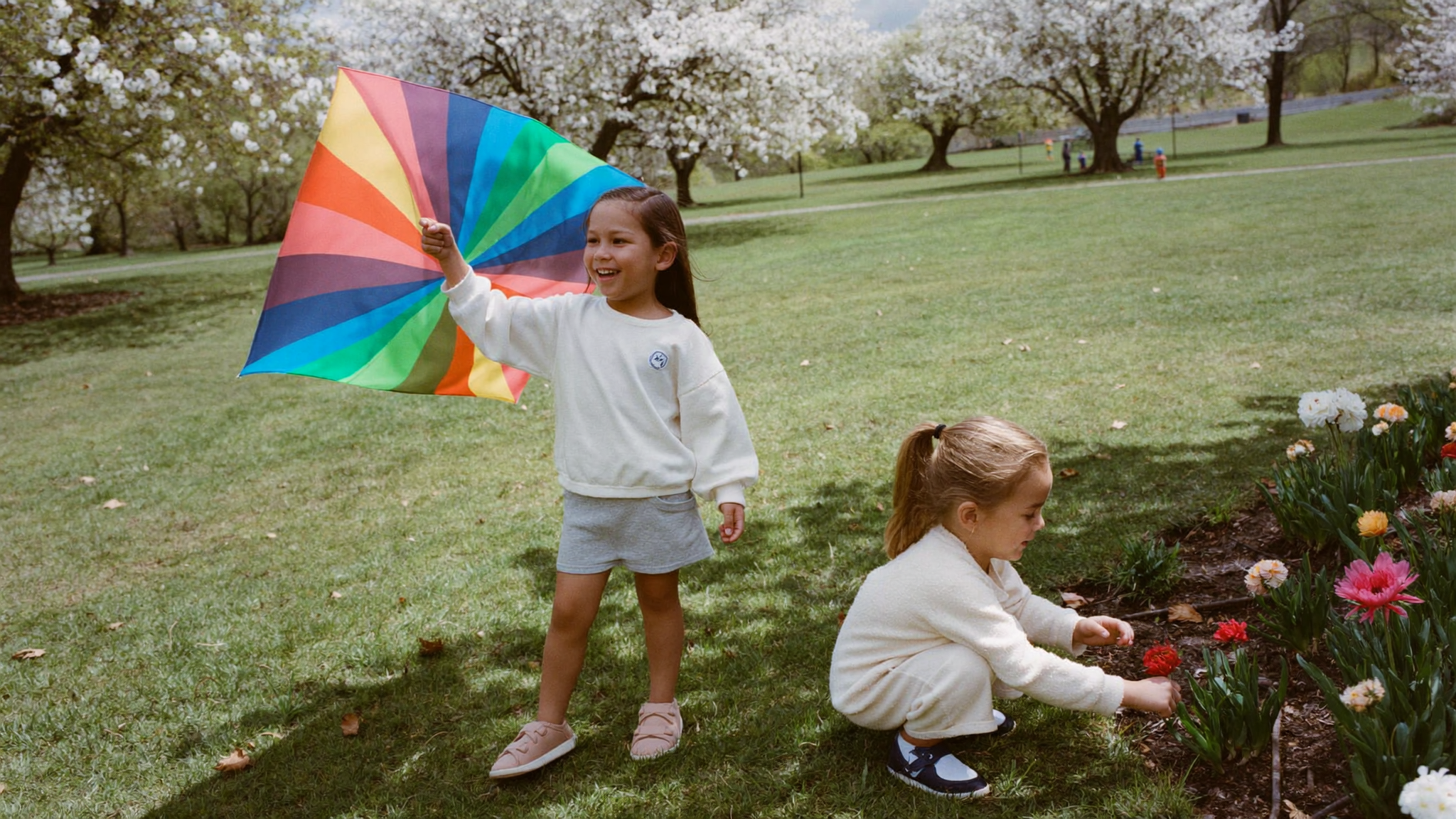
If your child is athletic, heading to the park to play sports like soccer or Frisbee is a fun way to get exercise and fresh air. Flying a kite combines movement with science, as kids learn how the wind keeps the kite in the air. Biking through the neighborhood or on local trails is another great option. For an adventurous child, build an obstacle course using items like cones and sticks to challenge them to jump, crawl, and balance, which improves coordination and problem-solving.

What creative spring activities can kids try?

For artistic kids, try creative projects like painting rocks or drawing with sidewalk chalk. These get kids outside, encourage imagination, and help develop fine motor skills. Spring is also a wonderful time for gardening. Planting flowers, herbs, or vegetables teaches children about the life cycle of plants and gives them a sense of responsibility as they help care for the garden and watch their plants grow.

How can kids connect with nature in spring?

Taking a walk through the neighborhood, a park, or a nature trail lets kids observe seasonal changes like blooming flowers, budding trees, and returning wildlife. Turn outings into a scavenger hunt by searching for different leaves, flowers, birds, or insects. Children can also start a nature journal to record discoveries, or try birdwatching, which introduces them to different species and sparks interest in wildlife.

What spring STEM activities work for kids?

STEM stands for Science, Technology, Engineering, and Math, and it focuses on hands-on learning. Through activities like planting seeds, building structures, or simple experiments, children learn to ask questions, test ideas, and solve problems. These experiences build critical thinking, creativity, and teamwork, and teach kids that trial and error is part of learning.

What spring activities are good for babies and toddlers?

Spending time outdoors lets young children explore through sight, touch, and sound. Spread a blanket on the grass so babies can observe trees and other outdoor sights, and let them feel grass or leaves to develop sensory awareness. Simple crafts like painting or decorating rocks build motor skills while combining sensory exploration with play.

Frequently asked questions

Why is outdoor play good for children in spring?

Running, climbing, and playing games help children build coordination, strength, and balance while connecting with peers, supporting physical, social, and cognitive development.

What are good spring activities for active kids?

Playing sports like soccer or Frisbee, flying a kite, biking on local trails, or setting up a simple obstacle course with cones and sticks all keep kids moving and build coordination and problem-solving.

How can babies and toddlers enjoy spring activities?

Spread a blanket on the grass so babies can observe trees and animals, let them feel grass or leaves for sensory awareness, and try simple crafts like painting or decorating rocks to build motor skills.

What are spring STEM activities for kids?

Planting seeds, building structures, and doing simple experiments let children ask questions, test ideas, and solve problems, building critical thinking, creativity, and teamwork.

If you have questions about your child’s health or development, please call our office. Peninsula Pediatrics proudly cares for families across the Rockaways, including Rockaway Park, Belle Harbor, Neponsit, Rockaway Beach, Arverne, and Far Rockaway.
Spring Safety for Children

Spring brings longer days, warmer weather, and more time outdoors for kids. While the season is great for outside play, it also comes with a few safety considerations parents should keep in mind. Seasonal allergies, bike safety, sun exposure, and insect protection are all worth thinking about as children spend more time outside.

Quick answer: To keep kids safe outdoors this spring, watch for seasonal allergies, make sure bike helmets fit properly, apply SPF 15 or higher sunscreen and use shade during peak hours, and prevent insect bites with an EPA-registered repellent. Here is what Peninsula Pediatrics wants Rockaway families to know.

What spring allergies affect children?

Many kids experience seasonal allergies, especially in spring when trees, grasses, and other plants release pollen into the air. Allergies happen when the immune system reacts to substances called allergens, even though they are usually harmless. Common symptoms in children include a stuffy or runny nose, sneezing, sniffling, itchy and watery eyes, and throat clearing. These can resemble a cold, but allergies often last longer and may show up around the same time each year.

It is not always easy to avoid pollen entirely outdoors, but you can reduce allergens entering the home. Keeping windows closed and using air conditioning helps limit indoor pollen. Showering and changing clothes after outdoor play reduces the pollen brought inside. If symptoms become persistent or interfere with daily activities, talk with your pediatrician about treatment options, which may include an antihistamine, decongestant, or nasal sprays.

How should a bike helmet fit my child?

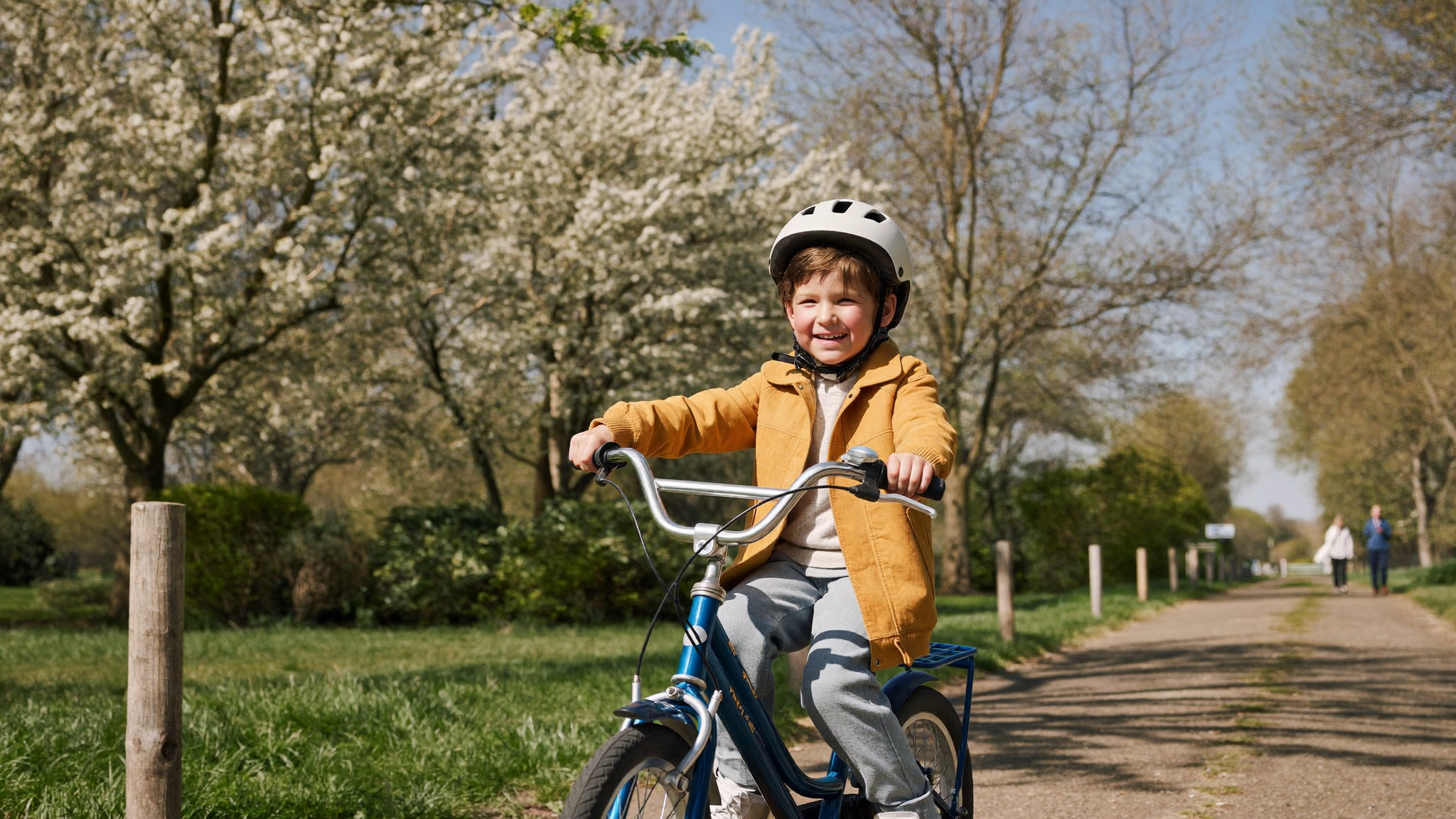
Spring is a popular time for children to start riding bikes again after winter. Bike riding is great exercise, but safety should always come first. One of the most important ways to prevent serious injuries is a properly fitted helmet. Studies show that wearing a helmet can reduce the risk of head injury by about 85 percent and facial injury by about 65 percent during bicycle crashes.

Make sure your child’s helmet fits snugly, sits level on the head, covers the forehead, has a secure chin strap, and meets U.S. Consumer Product Safety Commission standards. The helmet should not move around or slide down over the eyes when your child moves their head. Children should wear helmets every time they ride a bike or scooter, go rollerblading, or do similar activities. Wearing helmets as adults models the habit for kids.

How can I protect my child from the sun?

No matter the season, kids should wear sunscreen during the day, even when it is cloudy. Spring and summer mean more time outside, so sun protection matters. Use sunscreen with SPF 15 or higher on exposed skin and apply it about 15 to 30 minutes before going outside. Reapply every two hours, or after swimming or sweating.

Other ways to protect kids include keeping them in the shade when possible, especially during peak sun hours between 10 a.m. and 4 p.m., and dressing them in protective clothing such as light, long-sleeved, tightly woven fabrics and wide-brimmed hats. Sunglasses help protect their eyes. Babies younger than six months should be kept out of direct sunlight whenever possible and protected with shade and clothing.

How do I prevent insect bites and stings?

Springtime also brings insects such as mosquitoes, bees, and wasps. While most bites cause only mild irritation, they can be uncomfortable and occasionally lead to allergic reactions. You can help by checking play areas for insect nests, especially near tree stumps, trash cans, or holes in the ground, encouraging kids to wear shoes outdoors instead of going barefoot, and using insect repellent.

Use only insect repellents registered with the Environmental Protection Agency (EPA). These contain ingredients such as DEET, picaridin, oil of lemon eucalyptus, or another EPA-registered active ingredient. Always read the label and follow all directions and precautions when applying.

Frequently asked questions about spring safety for kids

How can I tell if my child has seasonal allergies or a cold?

Allergy symptoms like a stuffy or runny nose, sneezing, and itchy, watery eyes often last longer than a cold and tend to return around the same time each year. If symptoms persist or interfere with daily activities, talk with your pediatrician.

How should a bike helmet fit a child?

It should sit level, cover the forehead, fit snugly with a secure chin strap, meet U.S. CPSC standards, and not slide over the eyes when your child moves their head. Helmets should be worn for biking, scooters, and rollerblading.

What SPF sunscreen should children use?

Use sunscreen with SPF 15 or higher on exposed skin, apply it 15 to 30 minutes before going outside, and reapply every two hours or after swimming or sweating. Babies under six months should be kept out of direct sunlight.

Which insect repellents are safe for kids?

Use EPA-registered repellents containing ingredients such as DEET, picaridin, or oil of lemon eucalyptus, and always follow the label directions.

If you have any questions about allergies, sun protection, or other spring safety concerns, please call our office. Peninsula Pediatrics proudly cares for families across the Rockaways, including Rockaway Park, Belle Harbor, Neponsit, Rockaway Beach, Arverne, and Far Rockaway.

Why Combination Vaccines Are Safe and Important for Kids

Vaccines protect children from serious infectious diseases that can cause widespread illness and even death. As more vaccines have been added to the recommended childhood schedule, many parents understandably have questions about how and when these vaccines are given. One common topic is combination vaccines which protect against more than one disease in a single shot. In this blog, we cover what they are, why they’re used, and why separating vaccines into individual shots isn’t recommended.

What Are Combination Vaccines?
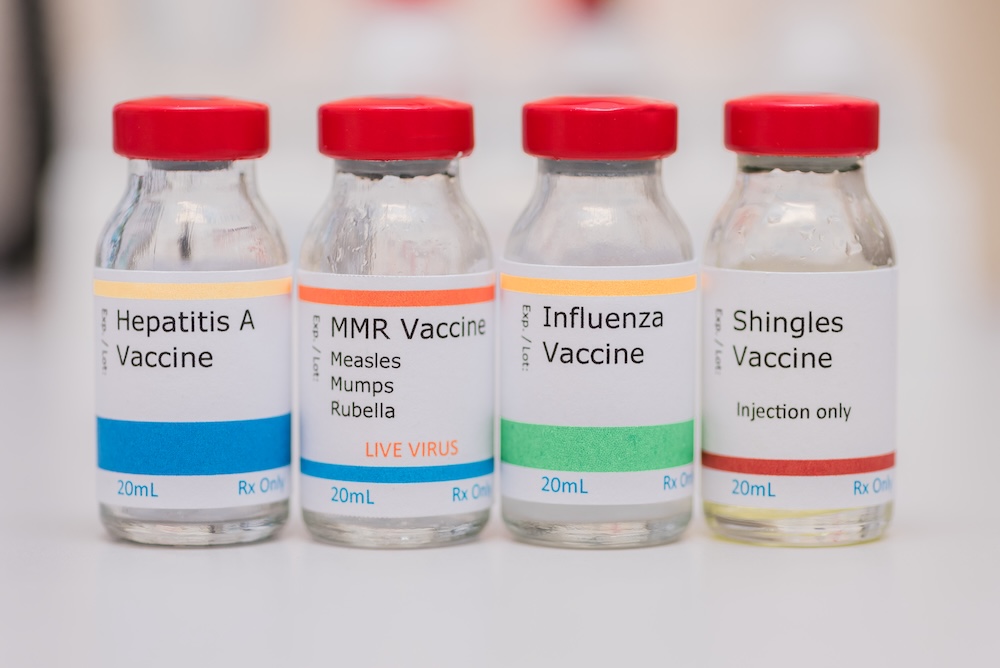
Combination vaccines are multiple vaccines given at the same time through one injection. Instead of receiving several separate shots spaced out over weeks or months, children receive immunizations that have been combined into one or a few products. For example, a single shot might protect against diphtheria, tetanus, and pertussis (whooping cough), often referred to as DTaP, instead of three separate injections. This approach has become a standard and evidence-based practice in pediatric care.

 Why Use Combination Vaccines?

There are several strong reasons why combination vaccines are part of routine immunization schedules. Below is a list of them.

  1. Fewer Needle Sticks Means Less Stress

Children typically do not enjoy shots, and multiple injections at different times can be stressful for both kids and families. Combination vaccines reduce the number of injections needed, which means fewer moments of discomfort and anxiety during doctor visits. Health professionals know that helping children have more positive experiences with healthcare helps build trust and cooperation over time.

  1. Protection Sooner and with Fewer Visits

Combination vaccines allow children to be protected against multiple diseases without waiting for many separate appointments. Delaying vaccines to separate them out means delaying protection. Each vaccine is scheduled at a time when it’s most effective for your child’s immune system. Giving all recommended vaccines on schedule, including combination vaccines, helps ensure your child develops immunity at the right time and doesn’t go without protection longer than necessary. 

  1. Strong Evidence of Safety and Effectiveness

 Some parents worry that giving multiple vaccines at once might overwhelm a child’s immune system. Research shows that children’s immune systems are naturally equipped to handle exposure to many germs at once. Every day, kids encounter thousands of different bacteria and viruses in their environment. The antigens in combination vaccines represent a tiny fraction of what a child’s immune system processes naturally. Extensive studies confirm that combination vaccines are safe and effective at helping children build immunity to multiple diseases simultaneously.

  1. Reducing Missed Opportunities for Immunization

Every healthcare visit is a chance to protect a child. When multiple vaccines are offered together, it decreases the risk that a child will miss a recommended vaccine. Offering vaccines in combination helps ensure children are fully immunized on time, to help them avoid catching or spreading preventable illnesses. 

What About Separating Vaccines?
Some parents wonder if separating vaccines could reduce side effects or be gentler on a child’s immune system. However, there is no scientific evidence that spacing out vaccines protects children better or reduces risk. In fact, delaying vaccines can have downsides such as increasing time without protection against serious diseases, more pediatric visits and needle sticks which can be stressful and disruptive, and higher likelihood of missing recommended vaccines completely due to schedule changes or life events. The recommended vaccine schedule, including the use of combination vaccines, is carefully designed by experts who evaluate safety, effectiveness, and the best timing for developing immunity. Following this schedule offers the strongest protection for your child with the fewest unnecessary delays. 

What About Side Effects?
Like all vaccines, combination vaccines can have side effects, most of which are mild and temporary, such as soreness at the injection site, fussiness, or a low-grade fever. These are normal signs that the immune system is responding to the vaccine. Serious side effects are rare, and healthcare providers are trained to recognize and respond to them if they occur.

Trusting the Science
The safety and scheduling of vaccines, including combination vaccines, are based on decades of careful research, monitoring, and review by scientists, pediatricians, and public health experts. Children’s immune systems are remarkably capable of responding to multiple immunizations at once, and giving combination vaccines delivers powerful protection with fewer injections.

If you have questions about how combination vaccines work or want to understand the timing of your child’s immunizations, your pediatrician is always your best resource. We’re here to provide evidence-based answers and to support your family as you make decisions that protect your child’s health.