

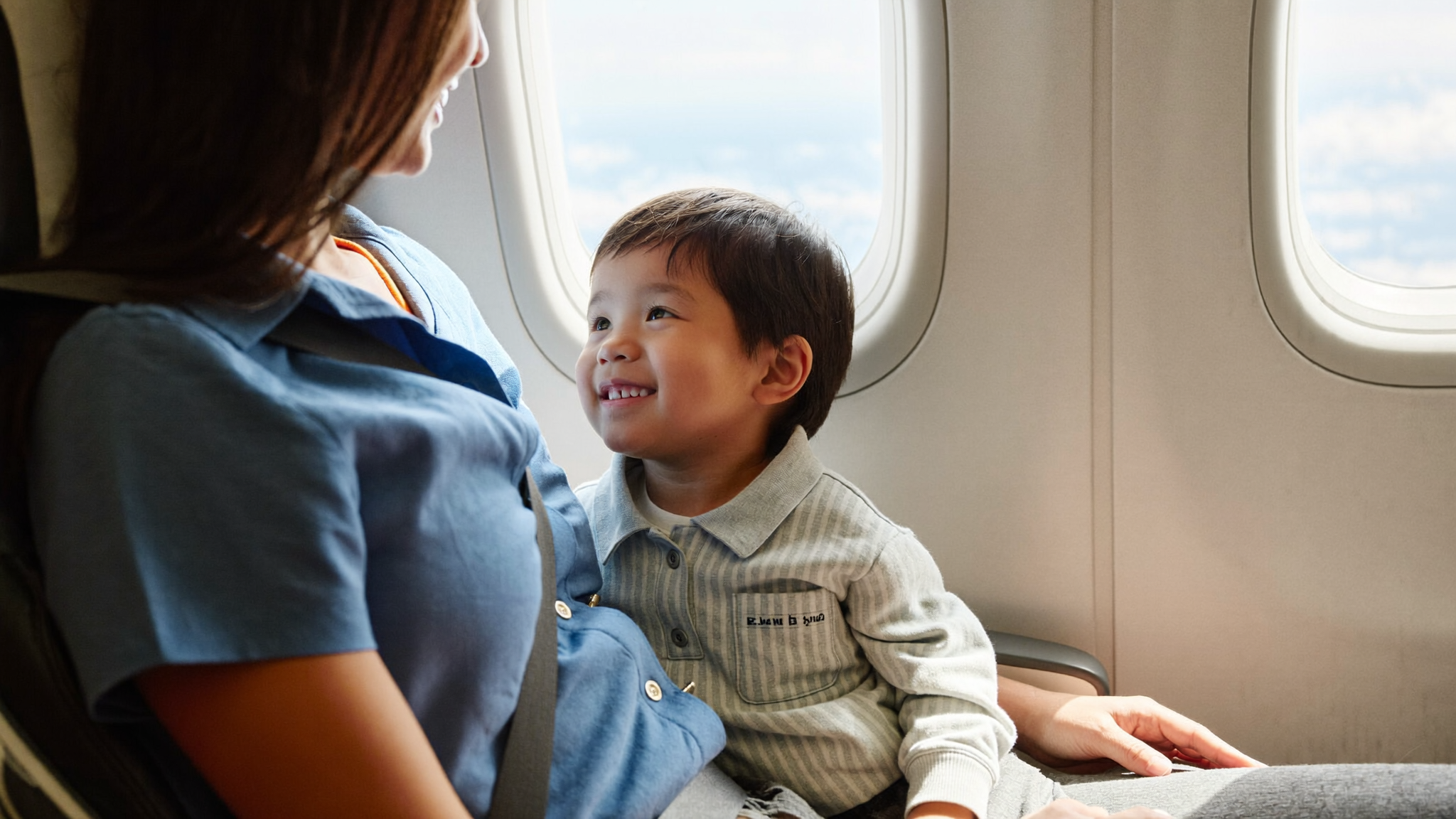
Flying with Children: What Parents Should Know

Traveling by plane with children can feel overwhelming, especially the first time. Between packing, navigating the airport, and keeping your child comfortable, there is a lot to think about. The good news is that with a little preparation and the right expectations, flying with kids can be smooth and even enjoyable.

Quick answer: Flying with children goes more smoothly when you understand safety recommendations, plan ahead, and set realistic expectations. Use an FAA-approved car seat when possible, ease ear pressure with swallowing, pack extra clothes and comfort items, and choose a window seat.

When is it safe for a baby to fly?

Air travel is generally allowed once a newborn is at least a week old, but it is recommended to wait until your baby is closer to two or three months old if possible. This helps reduce exposure to infections in crowded places like airports and airplanes. For older babies and children, flying is typically safe, but it is still important to consider your child’s overall health and comfort before traveling.

How can I keep my child safe during the flight?

Although children under age two are often allowed to sit on a parent’s lap, the safest option is for your child to have their own seat secured in an FAA-approved car seat or safety restraint. Turbulence is the leading cause of injuries to children on airplanes, and holding a child in your arms may not provide enough protection during sudden movements. A properly installed car seat that fits your child’s size and weight offers the best protection and can help them feel more secure.

How do I plan ahead for flying with kids?

Dress your child in layers since airplane temperatures vary, and pack extra clothes in case of spills or leaks. If traveling with a baby, you can bring breast milk, formula, or water for mixing formula through airport security in reasonable quantities, but be prepared to let security know. Bring familiar comfort items, snacks, and quiet activities. According to the American Academy of Pediatrics, letting kids consume age-appropriate, high-quality media in moderation is not harmful, but balance screen time with screen-free activities too.

How can I ease ear pain during takeoff and landing?

Takeoff and landing can be uncomfortable due to changes in air pressure and can even cause ear pain. Breastfeeding or offering a bottle or pacifier helps ease pressure by encouraging swallowing. For older children, drinking water or chewing can have a similar effect.

What is the best airplane seat for families?

Window seats are often recommended for families with young children, as they keep little ones farther from aisle traffic, food carts, and potential spills from hot drinks. If you are using a car seat, a window seat is typically the safest and most practical option. Remember that travel does not have to be perfect. Staying calm and patient helps children feel less overwhelmed, since they often pick up on their parents’ emotions.

Frequently asked questions

When is it safe for a baby to fly?

Air travel is generally allowed once a newborn is at least a week old, but it is best to wait until your baby is closer to two or three months old if possible, to reduce exposure to infections in crowded places.

What is the safest way for a child to fly?

The safest option is for your child to have their own seat secured in an FAA-approved car seat or safety restraint. Turbulence is the leading cause of injuries to children on airplanes, and holding a child in your arms may not provide enough protection.

How can I ease my child’s ear pain during takeoff and landing?

Breastfeeding or offering a bottle or pacifier encourages swallowing, which helps ease pressure. For older children, drinking water or chewing can have a similar effect.

What is the best airplane seat for families?

Window seats are often recommended for young children, keeping them farther from aisle traffic, food carts, and potential spills. If you are using a car seat, a window seat is typically the safest and most practical option.

If you have questions about traveling with your child, including safety concerns or health considerations, please call our office. Peninsula Pediatrics proudly cares for families across the Rockaways.

Helping Kids Who Are Struggling in School

It can be difficult for parents to see their child struggle in school or fall behind. Whether it is trouble keeping up academically, difficulty focusing, or frustration with learning, these challenges are more common than many families realize. With early support, understanding, and the right strategies, children can build confidence and improve their ability to learn and succeed.

Quick answer: Start by understanding why your child is struggling, talk with them calmly, connect with their teacher, build a supportive routine at home, and seek extra help when needed. Encouragement and emotional support matter as much as academics.

Why might my child be struggling in school?

Struggles can happen for many reasons. Some children have learning differences that affect how they process information, while others deal with attention challenges, anxiety, or gaps in foundational skills. In some cases the issue is social or emotional rather than academic. Taking time to understand the root of your child’s challenges is an essential first step.

How should I talk to my child about school?

Talk to your child in a calm and supportive way. Start by asking open-ended questions about school, what feels hard, and what they enjoy. Connecting with your child’s teacher can also provide valuable insight. Teachers often identify patterns, such as difficulty following instructions or challenges with specific subjects, and can help guide next steps. Because struggling children often feel discouraged, focus on effort rather than outcomes and celebrate small wins.

How can I support learning at home?

A consistent routine for homework and study time gives children structure and predictability. A quiet, organized space free from distractions makes it easier to focus. Help break tasks into smaller, manageable steps so your child does not feel overwhelmed. Instead of tackling an entire assignment at once, encourage short, focused intervals with breaks in between.

When does my child need extra help?

For some children, additional support may be needed. This could include extra help at school, tutoring, or specialized services if a learning or attention issue is identified. Evaluations can help determine whether a child would benefit from accommodations or individualized learning plans.

How do I support my child’s emotional wellbeing?

Children who struggle may feel frustrated, anxious, or embarrassed. Helping them develop coping skills, such as taking breaks, asking for help, or practicing calming strategies, can help. Remind your child that their worth is not defined by grades and that everyone learns in different ways and at different paces. Modeling a positive, patient attitude toward learning encourages kids to approach challenges the same way.

Frequently asked questions

Why might my child be struggling in school?

Struggles can come from learning differences, attention challenges, anxiety, or gaps in foundational skills. Sometimes the issue is social or emotional rather than academic. Understanding the root cause is an important first step.

How can I support my child’s learning at home?

Set a consistent routine for homework, provide a quiet and organized space free from distractions, and break tasks into smaller steps with short, focused intervals and breaks in between.

How can I encourage a discouraged child?

Focus on effort rather than outcomes, celebrate small wins, and remind your child that learning takes time and mistakes are okay. Encouragement and reassurance help protect motivation and self-esteem.

When should I seek extra help for my child?

If your child continues to struggle, talk with their teacher, and consider tutoring, evaluations, or specialized services. Pediatricians, school counselors, and specialists can help identify underlying issues and recommend resources.

If your child is still struggling in school, remember that you can always seek support. Pediatricians, school counselors, and specialists can help identify underlying issues and recommend resources. If you have any questions or concerns, please call our office. Peninsula Pediatrics proudly cares for families across the Rockaways.