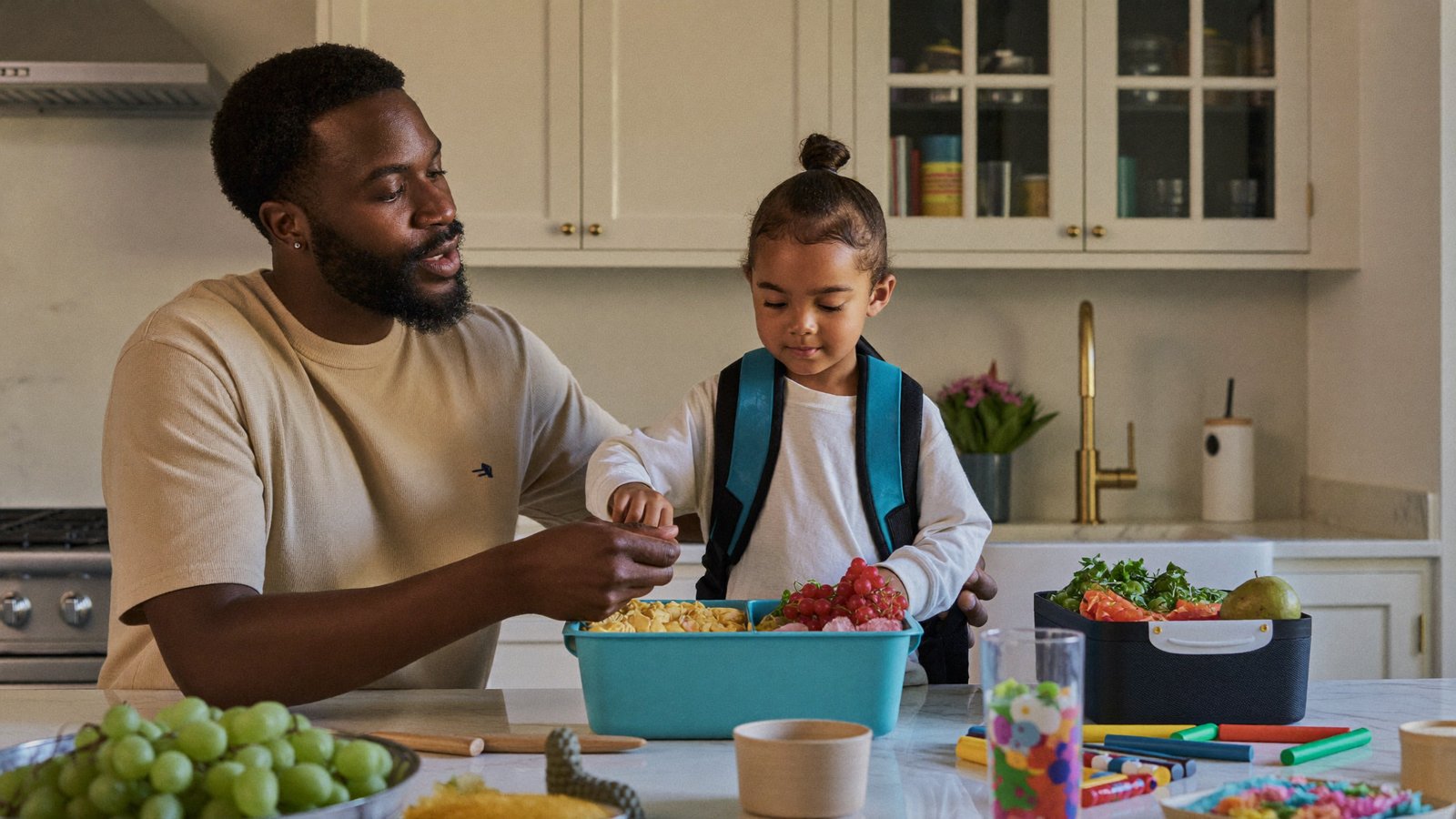
Back-to-school season is here and if your child will be starting preschool or kindergarten for the first time, you may have started thinking about how to prepare them for this new milestone. Starting school can seem exciting, but it can also feel overwhelming or scary for young children. They’re entering an unfamiliar environment, meeting new people, and adjusting to an entirely new routine. Here are several ways to make the transition easier.
Quick answer: To help your child prepare for preschool or kindergarten, talk about what school will be like, read books about starting school, practice the morning routine, visit the school if possible, and help your child think about making friends. Rockaway families can also schedule a yearly well check.
How do I talk to my child about what school will be like?
Before the first day arrives, start talking with your child about what they can expect. Let them know what time they’ll wake up, what their school day may look like, whether they’ll take the bus, and some of the activities and learning they’ll experience in the classroom. Not knowing what will happen can contribute to anxiety, so giving your child an idea of what their new routine will involve can make school feel less intimidating. Books can also help children become more comfortable with the idea of starting school. Look for stories about a child’s first day or stories that introduce different parts of the school experience. You might read together about riding the school bus safely, meeting a teacher, making new friends, or spending time in a classroom. Reading about characters experiencing some of the same worries can reassure children that they’re not the only ones who feel nervous about starting school.
How can we practice the new school routine?
Instead of waiting until the first day to introduce a completely new schedule, consider having a few practice days beforehand. Wake your child at the same time they’ll need to get up for school and walk through their morning routine together. Practice eating breakfast, getting dressed, gathering their belongings, and getting ready to leave or take the bus. You can even make it into a game by pretending it’s a real school day. Talk about where they’ll go and some of the activities they might do once they arrive. If possible, visit the school together before classes begin. Giving your child a chance to see the building and become familiar with their new surroundings can make the environment feel less unfamiliar when the first day arrives. Little details can make the first day feel special as well. Let your child choose the outfit they’d like to wear or tell them you’ll pack a favorite snack. Having a few familiar or enjoyable things to look forward to may ease some of their nervousness.
How can I help my child feel comfortable making friends?
For some kids, one of the biggest worries about starting school is entering a classroom filled with people they don’t know. You can help by talking about how to meet classmates and start conversations. Give your child examples of friendly ways to introduce themselves or begin playing with another kid. You can also talk about behaviors that help build positive friendships, such as sharing, listening, and being kind. Helping children understand the value of friendship may give them something to look forward to when starting school.
What if my child needs additional support?
Children with learning disabilities may have additional concerns about starting school. Fortunately, families can find resources and programs designed to help children develop skills, build confidence, and prepare for a successful first year. Talk with your child’s teacher and school counselor about their individual needs and ask what accommodations or other forms of support may be available to help your child feel comfortable and succeed in the classroom. Establishing communication with the school early can help everyone work together to support your child’s needs.
Why schedule a back-to-school checkup?
Your pediatrician can also be an important part of preparing your child for school. We recommend scheduling your child’s yearly well check to ensure they’re ready for the new school year. During the visit, we can make sure your child is up to date on their vaccinations and that your family has the health forms required by their school.
Frequently asked questions
How can I make starting school less scary for my child?
Talk about what school will be like, read books about starting school, practice the morning routine, and visit the school together before classes begin if possible.
Why does talking about school ahead of time help?
Not knowing what will happen can contribute to anxiety, so giving your child an idea of what their new routine will involve can make school feel less intimidating.
What can I do if my child has a learning disability?
Talk with your child’s teacher and school counselor about their individual needs and ask what accommodations or other forms of support may be available. Establishing communication with the school early can help everyone work together.
What happens at a back-to-school well visit?
We can make sure your child is up to date on their vaccinations and that your family has the health forms required by their school.
To schedule your child’s well visit, please call or contact our office. We are also here for your family if you have any questions or concerns about helping your child prepare for or adjust to school. Peninsula Pediatrics proudly cares for families across the Rockaways, including Rockaway Park, Belle Harbor, Neponsit, Rockaway Beach, Arverne, and Far Rockaway.