
Helping Your Child Prepare for School

Back-to-school season is here and if your child will be starting preschool or kindergarten for the first time, you may have started thinking about how to prepare them for this new milestone. Starting school can seem exciting, but it can also feel overwhelming or scary for young children. They’re entering an unfamiliar environment, meeting new people, and adjusting to an entirely new routine. Here are several ways to make the transition easier.

Quick answer: To help your child prepare for preschool or kindergarten, talk about what school will be like, read books about starting school, practice the morning routine, visit the school if possible, and help your child think about making friends. Rockaway families can also schedule a yearly well check.

How do I talk to my child about what school will be like?

Before the first day arrives, start talking with your child about what they can expect. Let them know what time they’ll wake up, what their school day may look like, whether they’ll take the bus, and some of the activities and learning they’ll experience in the classroom. Not knowing what will happen can contribute to anxiety, so giving your child an idea of what their new routine will involve can make school feel less intimidating. Books can also help children become more comfortable with the idea of starting school. Look for stories about a child’s first day or stories that introduce different parts of the school experience. You might read together about riding the school bus safely, meeting a teacher, making new friends, or spending time in a classroom. Reading about characters experiencing some of the same worries can reassure children that they’re not the only ones who feel nervous about starting school.

How can we practice the new school routine?

Instead of waiting until the first day to introduce a completely new schedule, consider having a few practice days beforehand. Wake your child at the same time they’ll need to get up for school and walk through their morning routine together. Practice eating breakfast, getting dressed, gathering their belongings, and getting ready to leave or take the bus. You can even make it into a game by pretending it’s a real school day. Talk about where they’ll go and some of the activities they might do once they arrive. If possible, visit the school together before classes begin. Giving your child a chance to see the building and become familiar with their new surroundings can make the environment feel less unfamiliar when the first day arrives. Little details can make the first day feel special as well. Let your child choose the outfit they’d like to wear or tell them you’ll pack a favorite snack. Having a few familiar or enjoyable things to look forward to may ease some of their nervousness.

How can I help my child feel comfortable making friends?

For some kids, one of the biggest worries about starting school is entering a classroom filled with people they don’t know. You can help by talking about how to meet classmates and start conversations. Give your child examples of friendly ways to introduce themselves or begin playing with another kid. You can also talk about behaviors that help build positive friendships, such as sharing, listening, and being kind. Helping children understand the value of friendship may give them something to look forward to when starting school.

What if my child needs additional support?

Children with learning disabilities may have additional concerns about starting school. Fortunately, families can find resources and programs designed to help children develop skills, build confidence, and prepare for a successful first year. Talk with your child’s teacher and school counselor about their individual needs and ask what accommodations or other forms of support may be available to help your child feel comfortable and succeed in the classroom. Establishing communication with the school early can help everyone work together to support your child’s needs.

Why schedule a back-to-school checkup?

Your pediatrician can also be an important part of preparing your child for school. We recommend scheduling your child’s yearly well check to ensure they’re ready for the new school year. During the visit, we can make sure your child is up to date on their vaccinations and that your family has the health forms required by their school.

Frequently asked questions

How can I make starting school less scary for my child?

Talk about what school will be like, read books about starting school, practice the morning routine, and visit the school together before classes begin if possible.

Why does talking about school ahead of time help?

Not knowing what will happen can contribute to anxiety, so giving your child an idea of what their new routine will involve can make school feel less intimidating.

What can I do if my child has a learning disability?

Talk with your child’s teacher and school counselor about their individual needs and ask what accommodations or other forms of support may be available. Establishing communication with the school early can help everyone work together.

What happens at a back-to-school well visit?

We can make sure your child is up to date on their vaccinations and that your family has the health forms required by their school.

To schedule your child’s well visit, please call or contact our office. We are also here for your family if you have any questions or concerns about helping your child prepare for or adjust to school. Peninsula Pediatrics proudly cares for families across the Rockaways, including Rockaway Park, Belle Harbor, Neponsit, Rockaway Beach, Arverne, and Far Rockaway.
Preventing the Summer Slide

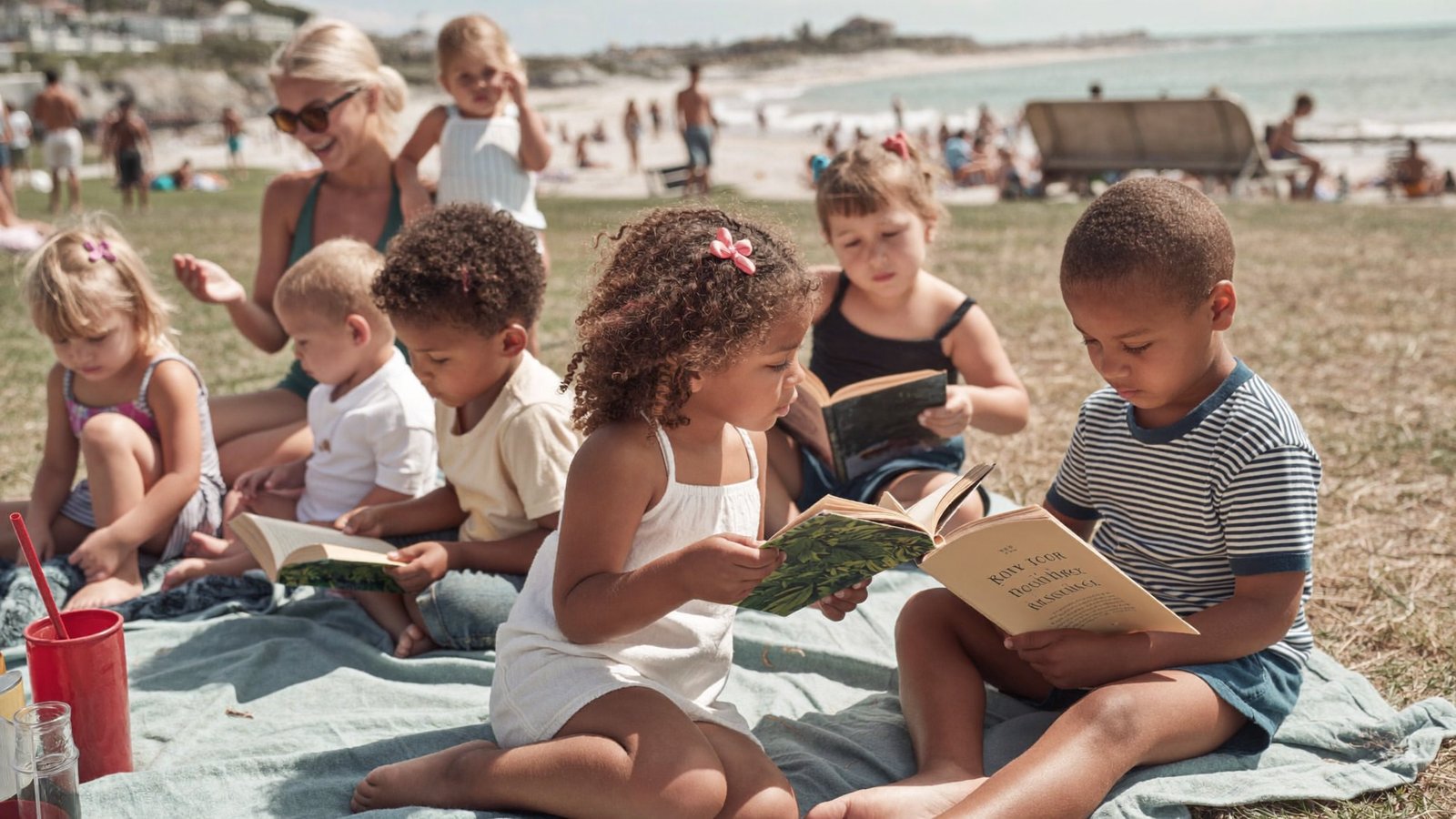
Summer vacation gives children a chance to relax, recharge, and enjoy a break from the classroom. However, long stretches without regular learning can lead to the “summer slide,” a loss of academic skills that may make it harder for children to transition back to school in the fall. The good news is that preventing the summer slide doesn’t require worksheets or hours of studying. Everyday activities can help children continue learning while still having fun.

Quick answer: Short daily reading, everyday activities like cooking and gardening, outdoor exploration, at least 60 minutes of physical activity, enriching camps or outings, and thoughtful screen time can all help prevent the summer slide. Rockaway families can keep kids learning this summer without worksheets.

How can reading help prevent the summer slide?

Reading is one of the most effective ways to help children maintain the skills they’ve worked so hard to build during the school year. Even reading for a short time each day can strengthen vocabulary, comprehension, memory, and concentration while keeping young minds engaged. The key is to let your child choose books they genuinely enjoy. Whether they’re interested in adventure stories, graphic novels, animals, or sports, reading for pleasure helps build a lifelong love of books. We recommend bringing your kids to the local library so they can explore books and topics that spark their curiosity. For children with learning differences, taking turns reading aloud together or listening to audiobooks are great ways to support literacy while making reading enjoyable.

What everyday activities turn into learning opportunities?

Many of the best learning experiences happen outside of school. Cooking together can reinforce math skills through measuring ingredients while teaching children about nutrition and healthy eating. Gardening can be a fun way for kids to learn about plants, weather, and the natural world. Even grocery shopping offers opportunities to practice counting, budgeting, reading labels, and making healthy food choices. Creative activities such as drawing, painting, building with clay, completing puzzles, or learning a musical instrument also help children strengthen problem-solving skills, creativity, and focus. These experiences encourage kids to think critically while having fun.

How can the outdoors support learning?

Summer is the perfect time to take learning outside. A walk through the neighborhood, a local park, or a hiking trail can become an exciting educational adventure. Encourage your child to observe birds, insects, flowers, trees, or changing weather patterns and then ask questions about what they notice. Simple games like “I Spy” or counting different types of plants or animals can help with observation, vocabulary, and early math skills. Outdoor exploration also encourages curiosity, which is important for lifelong learning.

Why does daily physical activity matter for learning?

Physical activity benefits more than just children’s bodies. It also supports learning. It is recommended that children get at least 60 minutes of physical activity each day. Activities like riding bikes, swimming, dancing, jumping rope, playing tag, rollerblading, or participating in sports help improve coordination and confidence. Playing with other kids also strengthens important social skills such as communication, teamwork, and conflict resolution. Swimming is an especially valuable summer activity because it combines exercise with an important life skill that promotes water safety.

What summer experiences are worth seeking out?

Summer camps and community programs can help children continue learning while exploring new interests. Whether it’s a STEM camp, art class, theatre program, sports league, or outdoor adventure camp, these experiences encourage creativity, independence, and teamwork. Families can also create memorable learning experiences by visiting museums, science centers, aquariums, planetariums, zoos, or historical sites. These hands-on activities allow children to discover new ideas in engaging ways that often feel more like play than school.

How should parents handle screen time in the summer?

Not all screen time is the same. When used in moderation, high-quality educational programs and documentaries can introduce children to new cultures, science, history, and other fascinating topics. Always choose age-appropriate content and balance screen time with other activities and family interaction to support healthy development.

Frequently asked questions

What is the summer slide?

The summer slide is a loss of academic skills that can happen during long stretches without regular learning, and it may make it harder for children to transition back to school in the fall.

Does preventing the summer slide require worksheets?

No. Everyday activities like reading, cooking, gardening, and outdoor exploration can help children keep learning while still having fun.

How much physical activity should children get each day?

It is recommended that children get at least 60 minutes of physical activity each day.

How can I support reading if my child has a learning difference?

Taking turns reading aloud together or listening to audiobooks are great ways to support literacy while making reading enjoyable.

Remember that moments of curiosity and discovery each day can help your child return to school feeling confident, engaged, and ready for a successful year. If you have questions about your child’s development or learning, please contact our office. Peninsula Pediatrics proudly cares for families across the Rockaways, including Rockaway Park, Belle Harbor, Neponsit, Rockaway Beach, Arverne, and Far Rockaway.