
Spring brings longer days, warmer weather, and more time outdoors for kids. While the season is great for outside play, it also comes with a few safety considerations parents should keep in mind. Seasonal allergies, bike safety, sun exposure, and insect protection are all worth thinking about as children spend more time outside.
Quick answer: To keep kids safe outdoors this spring, watch for seasonal allergies, make sure bike helmets fit properly, apply SPF 15 or higher sunscreen and use shade during peak hours, and prevent insect bites with an EPA-registered repellent. Here is what Peninsula Pediatrics wants Rockaway families to know.
What spring allergies affect children?
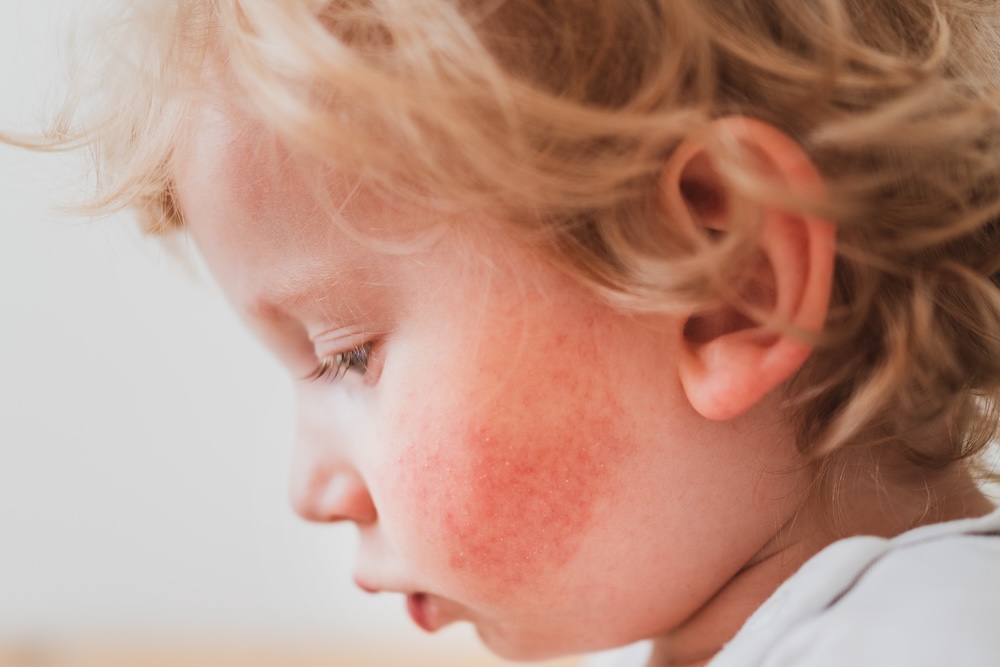
Many kids experience seasonal allergies, especially in spring when trees, grasses, and other plants release pollen into the air. Allergies happen when the immune system reacts to substances called allergens, even though they are usually harmless. Common symptoms in children include a stuffy or runny nose, sneezing, sniffling, itchy and watery eyes, and throat clearing. These can resemble a cold, but allergies often last longer and may show up around the same time each year.
It is not always easy to avoid pollen entirely outdoors, but you can reduce allergens entering the home. Keeping windows closed and using air conditioning helps limit indoor pollen. Showering and changing clothes after outdoor play reduces the pollen brought inside. If symptoms become persistent or interfere with daily activities, talk with your pediatrician about treatment options, which may include an antihistamine, decongestant, or nasal sprays.
How should a bike helmet fit my child?
Spring is a popular time for children to start riding bikes again after winter. Bike riding is great exercise, but safety should always come first. One of the most important ways to prevent serious injuries is a properly fitted helmet. Studies show that wearing a helmet can reduce the risk of head injury by about 85 percent and facial injury by about 65 percent during bicycle crashes.
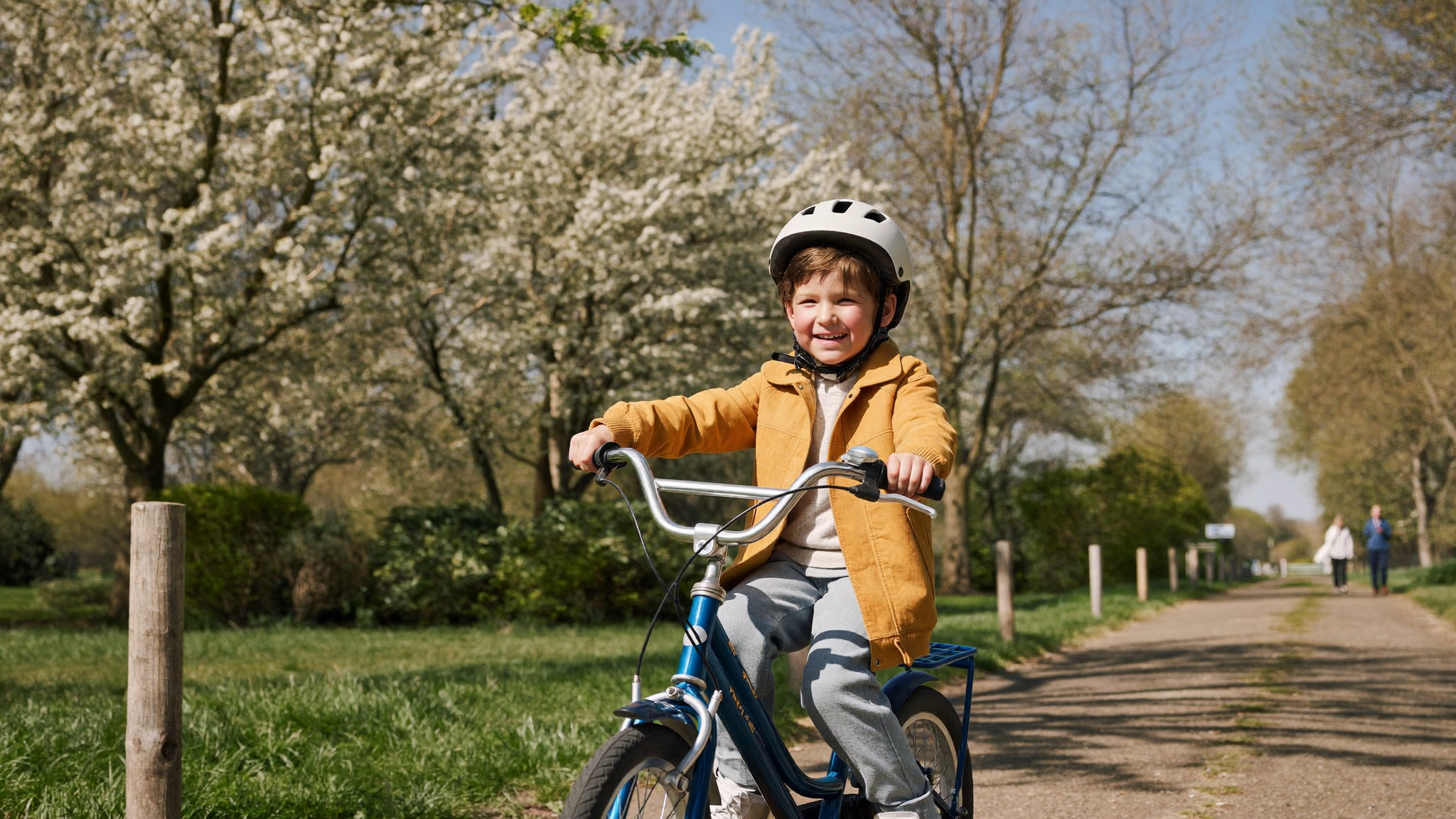
Make sure your child’s helmet fits snugly, sits level on the head, covers the forehead, has a secure chin strap, and meets U.S. Consumer Product Safety Commission standards. The helmet should not move around or slide down over the eyes when your child moves their head. Children should wear helmets every time they ride a bike or scooter, go rollerblading, or do similar activities. Wearing helmets as adults models the habit for kids.
How can I protect my child from the sun?
No matter the season, kids should wear sunscreen during the day, even when it is cloudy. Spring and summer mean more time outside, so sun protection matters. Use sunscreen with SPF 15 or higher on exposed skin and apply it about 15 to 30 minutes before going outside. Reapply every two hours, or after swimming or sweating.
Other ways to protect kids include keeping them in the shade when possible, especially during peak sun hours between 10 a.m. and 4 p.m., and dressing them in protective clothing such as light, long-sleeved, tightly woven fabrics and wide-brimmed hats. Sunglasses help protect their eyes. Babies younger than six months should be kept out of direct sunlight whenever possible and protected with shade and clothing.
How do I prevent insect bites and stings?
Springtime also brings insects such as mosquitoes, bees, and wasps. While most bites cause only mild irritation, they can be uncomfortable and occasionally lead to allergic reactions. You can help by checking play areas for insect nests, especially near tree stumps, trash cans, or holes in the ground, encouraging kids to wear shoes outdoors instead of going barefoot, and using insect repellent.
Use only insect repellents registered with the Environmental Protection Agency (EPA). These contain ingredients such as DEET, picaridin, oil of lemon eucalyptus, or another EPA-registered active ingredient. Always read the label and follow all directions and precautions when applying.
Frequently asked questions about spring safety for kids
How can I tell if my child has seasonal allergies or a cold?
Allergy symptoms like a stuffy or runny nose, sneezing, and itchy, watery eyes often last longer than a cold and tend to return around the same time each year. If symptoms persist or interfere with daily activities, talk with your pediatrician.
How should a bike helmet fit a child?
It should sit level, cover the forehead, fit snugly with a secure chin strap, meet U.S. CPSC standards, and not slide over the eyes when your child moves their head. Helmets should be worn for biking, scooters, and rollerblading.
What SPF sunscreen should children use?
Use sunscreen with SPF 15 or higher on exposed skin, apply it 15 to 30 minutes before going outside, and reapply every two hours or after swimming or sweating. Babies under six months should be kept out of direct sunlight.
Which insect repellents are safe for kids?
Use EPA-registered repellents containing ingredients such as DEET, picaridin, or oil of lemon eucalyptus, and always follow the label directions.
If you have any questions about allergies, sun protection, or other spring safety concerns, please call our office. Peninsula Pediatrics proudly cares for families across the Rockaways, including Rockaway Park, Belle Harbor, Neponsit, Rockaway Beach, Arverne, and Far Rockaway.