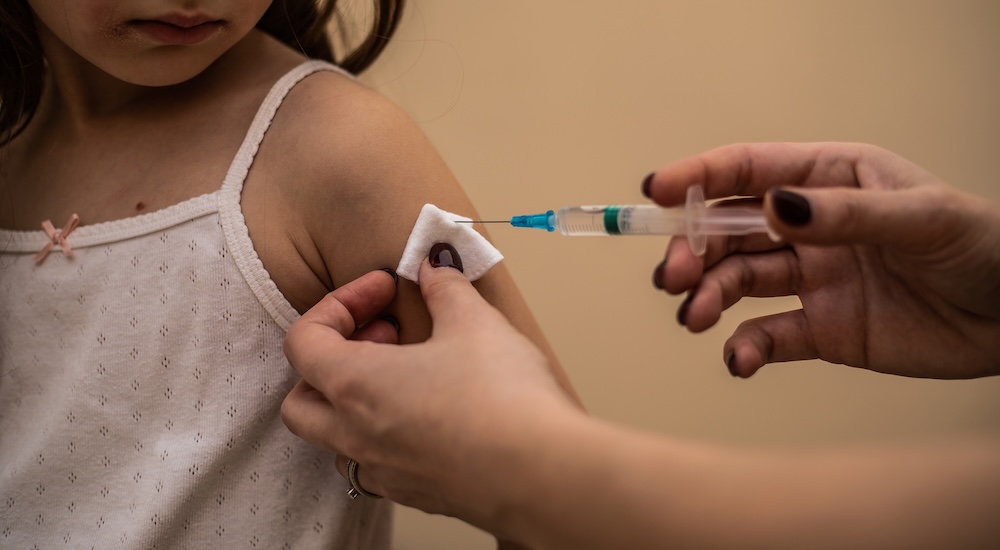
Vaccines, Autism & the CDC Update: What Parents Should Know

As your child’s medical home, we want to address a recent update on the CDC’s website openly, clearly, and compassionately.

First and most importantly:

Nothing has changed in our medical guidance, our vaccine policies, or our confidence in the safety of routine childhood immunizations.

Like the American Academy of Pediatrics (AAP), Peninsula Pediatrics stands firmly on decades of evidence-based research. The science continues to be clear: vaccines do not cause autism. This conclusion has been supported by numerous large studies involving hundreds of thousands of children, and it has been reaffirmed by major medical and public health organizations across the world.

The AAP responded promptly to the CDC update, reiterating the strength of the existing evidence. You can read their full statement here.

We know how unsettling it can feel when conflicting or confusing information circulates online—especially when it involves your children. Our goal is to provide clarity and reassurance amid the noise. At Peninsula Pediatrics:

  • We follow the evidence.
  • We support the full routine vaccine schedule.
  • We continue to trust the extensive research demonstrating the safety and effectiveness of childhood immunizations.


Vaccines protect not only individual children, but also our entire community, especially those who are too young or unable to be vaccinated. This is a responsibility we take seriously.

If you have questions, concerns, or simply want to talk through what you’ve seen, please reach out. We are here for thoughtful, honest, and judgment-free conversations.

Thank you for trusting us with your children’s care.

We remain as committed as ever to providing guidance rooted in science, compassion, and the well-being of every family we serve.

Peninsula Pediatrics

Why Vaccines Matter

As parents and caregivers, we want to keep our children healthy and safe from illnesses, especially life-threatening ones. Although there’s been a lot of recent noise about vaccine safety, medical science and pediatric experts remain clear that vaccination is safe and the most effective way to protect kids from serious illnesses. Extensive studies on vaccines and their potential risks find that recommended vaccines are safe for children and adolescents and are not associated with diabetes, infertility, autism, or any other developmental delay. Large-scale studies conducted in multiple countries over many years have found no credible link between life-saving childhood vaccines and autism. The original study that claimed a connection was retracted due to faulty data. 

Scientific evidence also shows that vaccines do not cause Sudden Infant Death Syndrome (SIDS). While many vaccines are given at ages when SIDS risk is naturally higher, research confirms there is no causal relationship. In fact, some data suggest vaccines may even help reduce the risk of SIDS. Every vaccine undergoes strict testing before it’s offered to children. After approval, it continues to be monitored closely for safety through systems like the Vaccine Adverse Event Reporting System (VAERS). This ongoing surveillance helps catch rare side effects and ensures ongoing confidence in vaccine safety. It’s also important to remember that mild side effects, such as a sore arm or low-grade fever, are normal signs that the body is building protection. More serious adverse events are extremely rare, and pediatricians are trained to respond quickly if they occur.

The American Academy of Pediatrics (AAP) encourages following the recommended immunization schedule for children, which is based on the most recent scientific data. Starting with newborns, it’s recommended to give your infant their first dose of the hepatitis B vaccine before leaving the hospital, to protect against a virus that can lead to serious liver disease. Over their first six months, your baby will begin receiving additional vaccines, often around the 2-month checkup, including vaccines for rotavirus, DTaP (diphtheria, tetanus, pertussis), Hib (Haemophilus influenzae type b), polio (IPV), and pneumococcal disease. These early doses are critical because they protect infants during a time when their immune systems are still catching up. During this same window, babies can also receive medication to prevent respiratory syncytial virus (RSV), a leading cause of hospitalization in infants. Parents who are pregnant during RSV season may receive a vaccine to help protect their baby after birth. 

Starting at 6 months, it is recommended that children get the annual flu vaccine, which is recommended for everyone over 6 months old. Even healthy kids can develop complications from influenza, and yearly vaccination helps reduce severe illness. The COVID-19 vaccine is also recommended for children beginning at 6 months, as young children are at higher risk of hospitalization from COVID. Both vaccines are safe and effective, and they can often be given at the same visit as other scheduled vaccinations. 

As your child reaches 12 to 15 months, it is recommended that they receive vaccines to protect them from MMR (measles, mumps, rubella), varicella (chickenpox), and hepatitis A and get booster doses of earlier vaccines. These prevent illnesses that can cause serious complications, from pneumonia and brain swelling to liver disease. Before starting school, children should receive boosters for DTaP, polio, MMR, and varicella to keep their immunity strong. By this age, your child’s immune system has learned to fight off up to 16 preventable diseases, thanks to the vaccines they’ve received since birth. Staying on schedule not only protects your child but also helps prevent outbreaks in schools and communities.

Parents often wonder why vaccines are timed so specifically. The answer is that years of research show vaccines work best at certain ages and intervals. Following the schedule helps your child’s body build lasting protection during the periods when they are most at risk. Pediatricians keep careful track of each vaccine and can help you catch up if your child ever falls behind.

Hearing conflicting opinions about vaccines can be confusing. But your pediatrician is here to provide guidance and can talk you through the risks and benefits and help you make informed decisions that fit your family’s needs. If your child is behind on immunizations or if you have any questions about vaccines, please call our office. 

Measles Outbreak: What Parents Need to Know

The recent measles outbreak is causing many parents to feel concerned. Measles is a highly contagious viral infection that can cause serious complications, especially in young children.As cases are currently on the rise, it’s important for families to understand the symptoms, how to prevent measles, and what to do if their child is exposed. In this blog, we provide essential information about measles and how to best protect your children 

Measles is caused by a virus that spreads easily through coughing, sneezing, or direct contact with an infected person. It can also travel along air currents and infect people in a different room. The virus can linger in the air and on surfaces for up to two hours as well. Even brief exposure is risky, and those who have conditions that cause a weaker immune system are at greater risk of infection. If someone has become infected with measles, they are contagious even before they start experiencing symptoms and can be contagious for up to 4 days after they get a rash. Symptoms may begin to appear 8-12 days after exposure. The most common symptoms include a high fever, rash, runny nose, red, watery eyes, diarrhea, and ear infection. Some kids might have small white spots (also known as Koplik spots) that appear inside the mouth. Children with measles can feel very ill,and the rash can last longer than a week.

Measles is considered a dangerous disease because it can lead to severe illness especially in those with weakened immune systems, such as babies, children, and those who are pregnant. Other potential complications include hearing loss from ear infections, pneumonia, and brain swelling that can cause seizures or brain damage.  

Some families might wonder if vitamin A can prevent or cure measles. While getting enough vitamin A can help reduce the severity of the disease, it is not a preventative method. During a measles infection, however, the virus can cause a vitamin A deficiency. Therefore, if a child is diagnosed with measles, the pediatrician may recommend two doses of vitamin A, 24 hours apart and for a total of two days. It’s important to keep in mind that vitamin A should not be used to prevent measles and that giving your child too much vitamin A can cause nausea, vomiting, headaches, fatigue, joint and bone pain, blurry vision, skin and hair problems, high pressure in the skull, liver damage, and even a coma. Most kids get vitamin A from a healthy diet, and babies get the vitamin from breast milk or formula. If you believe your child needs a supplement, talk to the pediatrician first.  

The best way to protect your children from measles is to get them vaccinated with the MMR vaccine. Children should receive the first dose when they are 12-15 months old and the second dose when they are 4-6 years old. Children who are at higher risk may need three doses. The MMR vaccine can provide lifelong immunity to measles and can help prevent the spread of the disease. It is also safe, and contrary to some beliefs, it does not cause autism. Occasional side effects can occur, like a fever, skin tenderness, or a rash. Babies under the age of one should have limited exposure to crowded areas whenever possible, especially during an outbreak. They should also be kept away from any sick individuals. 

If you think your child has been exposed to measles, contact our pediatrician right away. To schedule your child’s vaccination, please call our office.