

How to Address Bullying

Bullying is a serious issue that affects children and adolescents every year. As parents, it’s important to be aware of the signs, know how to effectively address and prevent it, and help your child thrive emotionally and socially. The first thing to understand is what bullying is and what it’s not. Bullying happens when there’s an imbalance of power between the bully and the one being targeted. The bully will use harmful words or actions and dominating behaviors that can make their victim feel intimidated and unsafe. It is not the same as harmless teasing between friends or an argument between kids. Some children are more likely to become targets of bullying, such as those who are shy, perceived to be weaker or smaller, have disabilities or special health care needs, or have a marginalized identity including their racial and ethnic background or being part of the LGBTQ+ community. 

If left unaddressed, bullying can take a toll on a child’s health, development, self-esteem, academic performance, and school attendance. If you notice signs that your child is troubled, such as problems with sleeping, loss of appetite, sudden change in their school grades, skipping school, or feelings of depression and anxiety, talk to your child to see what the root of the issues are. If you suspect that your child is being bullied, ask them questions to better understand the situation. Once you learn more, you can help make your child feel safer. 

Encourage your child to not give in to their bully’s demands or give the bully a reaction. Bullies try to scare others and when they get that reaction, it can encourage them to continue. Advise your child to ignore the bully and let an adult know about the issue as soon as possible so that they can intervene appropriately. If the bully keeps harassing your child even after they ignore them, suggest to them to stand up to the bully by firmly telling them to stop the behavior or they will report them. When the bullying behavior is extreme or becomes worse, intervention from teachers, the school principal, or the bully’s parents, should be sought. Alert all parties so that they’re aware of the situation and can take the necessary actions, as well as keep a close eye on the problem. 

In many cases, bullying doesn’t take place in-person at school but online instead. This is known as cyberbullying, which has increased in recent decades from social media and smartphones. It usually involves harmful messages such as texts or comments on social media, sharing embarrassing or altered pictures of the victim, making up and spreading rumors and false stories, etc. Cyberbullying can be more difficult to deal with as the bully can easily be anonymous. If your child is affected by cyberbullying, document all behaviors, messages, and harmful images and report them so that they’re taken down as soon as possible and the user gets banned or removed from the platform where the cyberbullying is taking place. Tell your child to block the bully online and from their phone so that they do not continue receiving the messages.

Lastly, it is always helpful to teach your children how to build healthy relationships so that if bullying does occur, they have a support system that they can rely on. The more isolated a child is, the easier it is for a bully to target them. By developing strong friendships, your child will have people who can stand up for them and help them get through tough situations. Our pediatricians can also help. If you have concerns about bullying and your child’s mental health, please contact our office. 


Car Seat Safety

Using car seats properly is extremely important for protecting children while riding in a vehicle. Car seats can protect children from being injured or killed during a car crash. But finding the best car seat to use and learning how to install it properly can be overwhelming as a parent. In this blog, we break it down to make it easier and to ensure that you have all of the information you need for car seat safety.

 When it comes to choosing the right car seat, you’ll want to take into account your child’s age, size, and developmental needs. Car seat manuals will provide recommendations based on these factors so it’s important to read them thoroughly. The manuals will also provide step-by-step guidelines on how to install the car seat. But if you have any trouble or doubts, it’s best to work with a professional who can install the seat for you. For a list of car seat products based on your child’s height and weight, click here

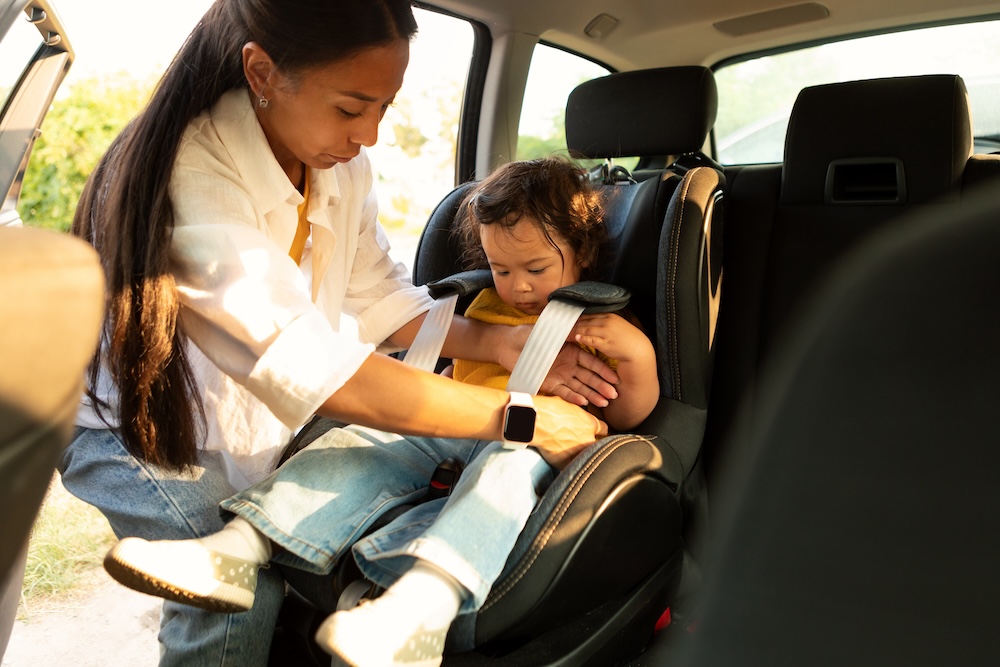
Car seats should be installed in the back of the vehicle. Older children should also sit in the back until they’re 13 years of age. When you install the seat, you can use the vehicle’s seat belt or its LATCH (attachment system for car safety seats). Forward-facing car seats will have a top tether which should be securely attached to the top anchor. The lower anchor connectors should be fastened to the lower anchors. If you’re using the seat belt instead of the LATCH system, it’s important to make sure that the seat belt is locked securely to hold the seat tightly. If you’re able to move the seat at the belt path more than an inch in either direction, the seat is not tight enough. When using a rear-facing car seat, place the harnesses in slots that are at or below your child’s shoulders. 

Many rear-facing car seats will also have load legs and anti-rebound bars to help absorb the energy of a crash and protect your child from being injured. For children with disabilities who are not able to keep their head and neck straight, they will benefit from the recline feature on forward-facing convertible, all-in-one, and combination seats. The feature can keep your child’s head from drooping forward.

When newborn babies first arrive home from the hospital, it is recommended by the American Academy of Pediatrics to use a rear-facing car seat and to continue using one until your child reaches the highest weight and height permitted by their car safety seat manufacturer. After that, children should continue to ride rear facing in a convertible or all-in-one seat until they outgrow rear-facing seats but no earlier than 2 years of age. They can then start to use forward-facing seats until they’re ready to use booster seats, typically after 7 years of age. Older children should remain in the booster seat until they’re big enough to fit in a seat belt properly, usually after 12 years of age.  

Before installing a booster seat, read through the instructions and the safety manual. The lap belt should lie low and snug across children’s upper thighs and the shoulder belt should cross over the middle of children’s chests and the shoulders.  

When using car or booster seats during the winter, it’s important to remove any coat or jacket off your child. Children should be tightly strapped in and bulky coats create space between the child and the belt. If an accident occurs, the child will be in danger of slipping out of their car or booster seat. To keep your child warm, you can put a blanket over them and use your car’s heating system. When you’re cleaning the car or booster seat, read the manufacturer’s guidelines first and avoid using disinfectants as they can decrease the protection of the seat. 

As a reminder, if you have any trouble installing a car or booster seat or doubts about their security, seek guidance from a certified child passenger safety technician. You can find one on this website


Winter Car Seat Safety

It’s winter and keeping your child safe is important during the cold season. Dressing your child with thick puffy coats may keep your child warm, but it can be unsafe if worn in a car seat. Car crashes are a leading cause of death for children ages 1 to 12 years in the US, but car or booster seats can provide protection. It’s important to use the right car seat correctly whenever your child is in the car.  

In order for car and booster seats to function properly, your child needs to remain tightly strapped, with the straps against the child’s chest. Snowsuits and puffy coats may loosen the way your child fits into the car or booster seat, making your child more susceptible to slipping out during an accident. They will be more likely to hit hard parts of the car, like the front seat, window, or door, which may cause significant injury. This is why it is extremely important that the car seat’s strap and belt stays close to the child’s body at all times. If your child is wearing a thick winter coat, you will end up tightening the straps to the size of the coat, not the size of your child. In case of an accident, this can cause the coat to compress and create space between your child and the belt. As a result, your child might slip out. 

The following is a safe car seat product list for different age groups provided by the American Academy of Pediatrics (AAP). It is important to note weight restrictions:

  • Infants/Toddlers: Rear-facing car seats used until at least one year of age and weight is 22 lb (10 kg). 
  • Toddlers/Preschoolers: Front-facing car seats used until weight is 40-65 lb (18-30 kg). 
  • School-aged children: Booster seats used when children are at least 40 lb (18 kg). 
  • Older children: Seat belts should be used when your child is at least 80 lb (36 kg) and 145 cm (4 feet and 9 inches) tall. All children younger than 13 years of age should ride in the back seat.

Always keep a copy of the car seat manufacturer’s instructions in your car and follow them carefully. Make sure the car seat is right for your child’s weight and height. It’s recommended to place the car seat in the middle of the back seat. After installation, the car seat should move no more than an inch in forward or side to side.

While protecting your child’s safety inside a car is crucial, keeping your child warm is also important. There are different ways you can keep your child warm without having them wear a thick winter coat while in their car seat. Below are some recommendations:

  • Store the carrier portion of the car seat inside the house at room temperature when not in use.
  • When ready to travel, make sure the car seat is ready before bringing your child out into the cold. You can bring your child out in a winter coat but remove the coat when placing them in the car seat. Hats, mittens, socks, and boots can stay on, as these do not interfere with car seat safety. It’s best to dress your child in thin, but insulated layers, so the child stays warm but the clothes do not impact the safety of the car seat.
  • Warming up your vehicle with the car heating system before placing the child in the car seat will prevent your child from feeling cold. Placing a blanket over the child after they are strapped in the car seat may also be beneficial in keeping your child warm throughout the trip.

Regardless of the weather, parents should never leave their child alone in the car at any time. If you have any questions about your car seat and how to properly use it safely, contact our office.