


Protect Your Kids From Drowning

Learning how to swim is an important life skill for every child, not to forget to mention a fun way for them to stay active and cool during the hot weather! Swimming is a skill that can prevent drowning and an opportunity for your child to learn water survival techniques. A typical class for children will teach them how to float, how to return to the surface when underwater, how to hold their breath, and swimming methods. We always suggest finding an instructor who is experienced and certified to teach your kids these essential skills. You’ll also want to make sure that when your child is learning, there are lifeguards on watch who can perform CPR if needed.

Most children can begin lessons after they are 12 months old. Before then, babies are unable to raise their heads out of the water to develop breathing techniques. After 12 months, a water play class for toddlers can help them become accustomed to the water. However, keep in mind that physical development and emotional maturity are factors to consider as well and your child should start learning how to swim when they’re ready. Typically, this is by the time they’re 4 years old.

If your child has special needs or autism, you may have concerns about them taking a swim class. However, these children are more at risk for drowning accidents and water-related injuries. A swim class can help ensure their safety and there are programs that are specifically designed for children with special needs. These are worth exploring when looking to enroll your child in an instructional swim course.

When kids are learning or are in the pool before they’re experienced, they should always wear a properly fitted lifejacket that they cannot slip out of. Lifejackets should also be worn when near the water or during any boating activity. Make sure there is an adult on watch at all times when near or in the water. It’s important that there is close supervision for children who are unable to swim yet.

The key to drowning prevention is having as many layers of protection as possible. If you have a pool at your house, it’s crucial that it’s securely fenced. The fence should be at least 4 feet tall and should have no openings where a child can slip through. That means that the slats should also not be more than 4 inches wide nor should the fence be easy for kids to climb over. Keep the latch on the gate locked and install an alarm for further protection.

Young children under age 4 are at a higher risk of drowning. They tend to be curious when they see water and can get close to it, putting themselves in danger of accidentally falling in. Always keep young kids away from water if there’s no supervision around and never allow them to go outside alone.

If you notice your child is missing, make sure to check the pool first and then the car. Both of these situations are dangerous and time is of essence.

Swimming is a fun sport during the summer but it does not come without risks. Taking all of these precautions and enrolling your child in a class can help keep them safe and have a great time in the water!
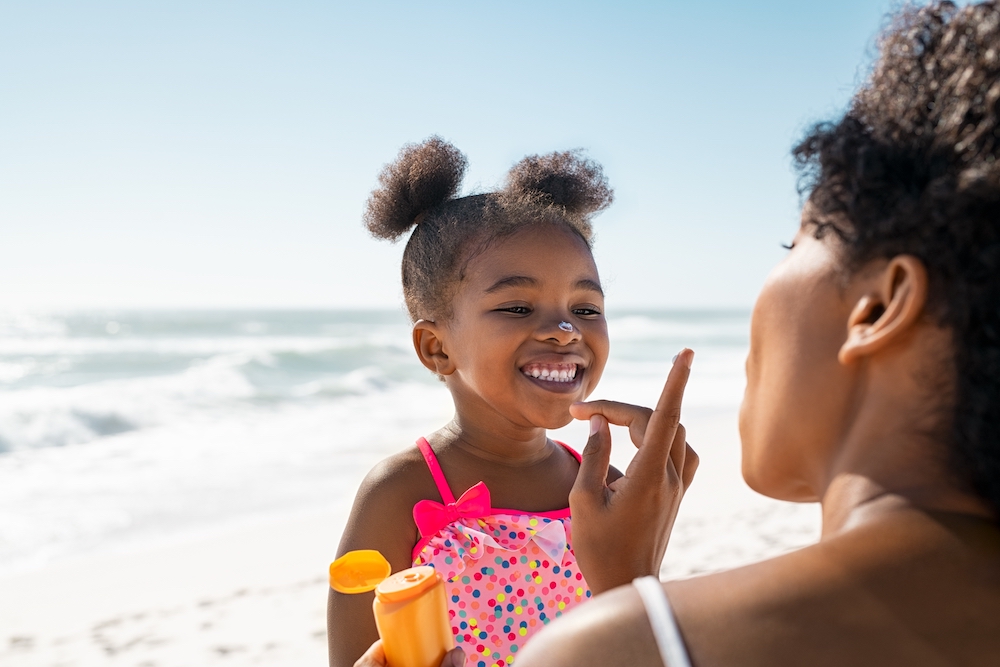
Protecting Kids from Heat and Sun

Summer is just around the corner and the weather will be getting hotter! While this is a fun season as kids get a break from school and can play outside more, you’ll want to keep them safe from extreme heat and the sun’s harmful rays. We have some safety tips to share for your family to have a great summer!

Firstly, it’s important to keep track of the hot temperatures. Temperatures over 90°F can cause dehydration, heat exhaustion, or a heat stroke. When the temperatures are this high, it’s best to limit the amount of time your kids spend outside and to keep them indoors with an air conditioner. You can also keep them cool by dressing them in lightweight, loose, and light-colored clothing and use ice packs if needed. A cool bath or a swim in the pool can be helpful as well.

Make sure to keep your children hydrated with water. Remind them to drink water throughout the day. The more active or older they are the more water they’ll need. Babies under 6 months should only be given breast milk or formula, however. Be alert for heat stroke which occurs when the body overheats and starts to shut down. Signs of this include excessive sweating, rapid pulse, confusion, dehydration, fever, abnormal breathing, or muscle spasms. If you notice these, contact the ER immediately and use a cool towel or an ice pack to cool your child. 

It’s also important to remember to never leave your child in a hot car. The inside of a car can reach high temperatures quickly that even a few minutes is dangerous. Keep your car keys out of reach and your car doors locked so that your child is unable to go inside a car unnoticed. It’s also good to remind them that cars are not safe places for them to hide in.

When your kids are playing outside, protecting them from getting a sunburn is essential. Limit sun exposure as much as possible during peak sun intensity hours, typically 10am-4pm.  Babies under 6 months of age should be kept under the shade to avoid direct sunlight. Avoid skin exposure to the sunlight for children through lightweight clothes and hats. Sunglasses should be used to protect their eyes. For skin that is exposed, cover it up with a liberal amount of sunscreen, avoiding the eyelids. As sunscreen takes some time to absorb, rub it in well and apply it 15-30 minutes before your child goes outside.  It’s also important to reapply sunscreen every 2 hours, or anytime time after a lot of sweating and swimming.  Although many sunscreens are labeled as water-resistant, none are truly water proof.  Even on cloudy days, sunscreen should be used as up to 80% of the sun’s UV rays can get through the clouds.

Choose sunscreen with a sun protection factor (SPF) of at least 30 and is labeled as “broad-spectrum” since this means it will screen both UVB and UVA rays. It’s best to avoid any sunscreen that contains oxybenzone as there are concerns of mild hormonal properties.  Keep in mind that even with sunscreen, kids can still get sunburns if they spend too long outside in the sun. If your child does get a sunburn, use an ice pack or cool compress and give them acetaminophen or ibuprofen if they’re in pain. Increase their hydration and stay out of the sun until the sunburn heals.  If you notice any infection or blisters or your child develops a fever, please contact our pediatrician.