
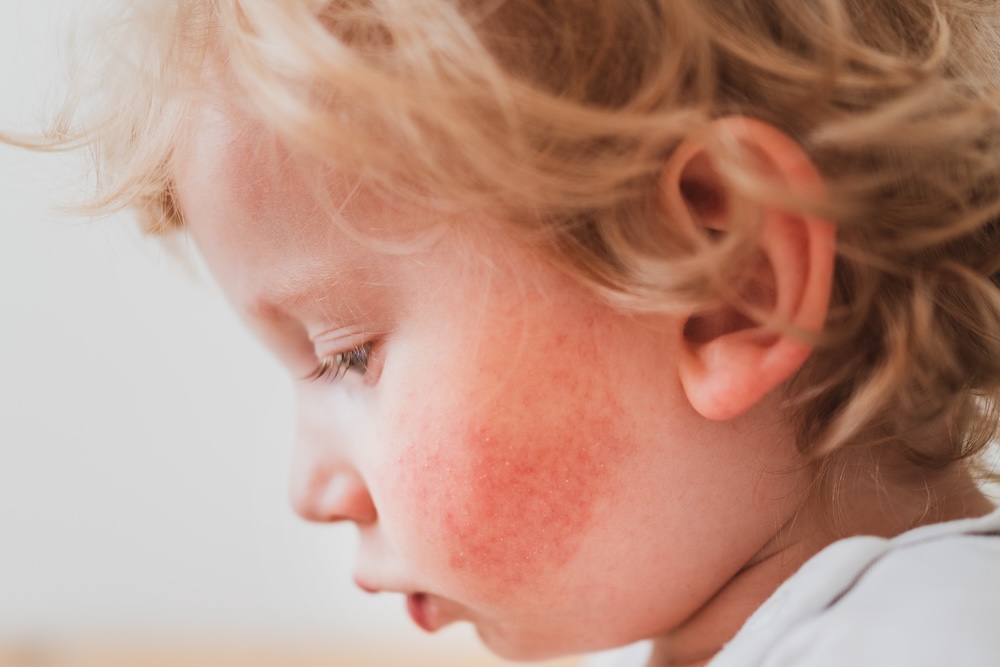
There are various types of rashes and skin irritation that kids can experience and it’s important to be aware of their symptoms to know how best to treat them. Skin rashes can cause a great deal of discomfort or itch. Your child might be tempted to scratch themselves which can make the irritation or flare up worse. Many rashes that start out small can also spread quickly, making it a stressful experience for the whole family. Luckily, there are several ways to ease discomfort and treat skin rashes.
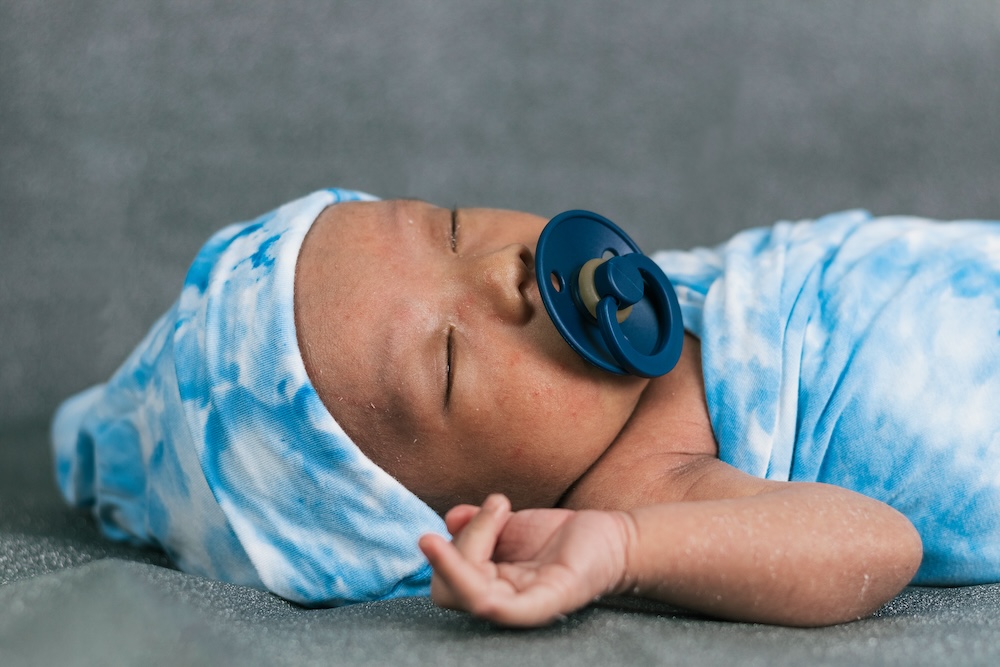
During the warmer months, children can develop heat rashes, which are more common in babies and younger kids. Heat rashes occur when the sweat gland pores become blocked and sweat can’t be released. You’ll notice patches of small pink or red bumps, especially on areas where the skin folds such as the armpits, elbows, thighs, and neck. To treat a heat rash, you’ll want to keep your child cool by dressing them in light clothing and keeping them in areas where there are fans and air conditioners and away from where they can become overheated. It’s also important to wash their skin with cool water and avoid using any ointments.
Rashes can also occur from allergic skin reactions. Contact with plants like poison ivy can cause a burning itch and swelling. If your child develops a rash from poison ivy or other plants, it is recommended to wash all of their clothes and shoes in soap and water, as well as your child’s skin in areas where they have been exposed. To ease the intensity of the itch, apply calamine lotion or 1% hydrocortisone cream, which can also reduce inflammation. Don’t use any ointments containing anesthetics or antihistamines as these can cause allergic reactions.
Another type of allergic-related rash is hives, which are pink or red welts on the skin. The welts can be in various sizes and may flatten out later. It is sometimes difficult to pinpoint what is triggering the hives as they can be a reaction to certain food ingredients and additives, minor infections, or personal products like deodorant. Hives can also be a reaction to stress, exercise, or sunlight. In most cases, however, hives go away after a couple of weeks, though they may frequently reappear. The most common way they’re treated is by using antihistamines which can be applied via a topical cream or by taking over-the-counter tablets. If the cause of the hives is known, avoiding that trigger can also clear out the hives.
Eczema is another common rash in children and a chronic condition where kids might have to deal with it as an ongoing skin problem. Usually, children who get eczema have sensitive skin compared to others as the rash is caused by not having enough of a special protein called filaggrin, which protects the skin from the environment. Cold weather, overheating, sweating, dry air, and chlorine from swimming pools can trigger flare ups. To treat this rash, families can apply moisturizing ointments that are fragrance-free, dress their kids in soft fabrics, regularly wash their kids’ clothes, and advise their children not to scratch to avoid an infection.
Some rashes can be caused by insect bites and stings. When this happens, it’s important to clean the skin and remove any insect or sting from your child’s skin. Swelling can be treated by applying a cold compress or an ice pack for several minutes. You can also use calamine lotion or 1% hydrocortisone cream. There are also rashes that can be caused by parasites like sandworms and ringworms or microscopic parasites found in water. An anti-parasitic medication may need to be prescribed in these cases.
If your child has a serious rash that needs to be examined or a rash that doesn’t go away, please call our office to talk to our pediatrician.