

Keeping Kids Safe from Small Batteries, High-Powered Magnetic Toys, and Water Beads

December is National Toy Safety Month and it is also the holiday season when children often receive toys as gifts. Toys are very beneficial for children’s growth and development and they also make exciting items to receive as holiday presents. However, many toys contain small batteries and high-powered magnets, which can pose significant dangers to children if ingested or mishandled. It’s important to be aware of the safety risks and take preventative measures to protect your kids from potential harm. 

Small batteries, such as button batteries and lithium coin batteries, are tiny, round, and shiny, which makes them particularly appealing to young children. In addition to toys, these batteries are found in remote controls, flashing shoes, and even jewelry. If swallowed, they can cause severe internal injuries. When these batteries come into contact with bodily fluids, they create an electrical current that produces sodium hydroxide. This substance can cause a burn, which is extremely harmful and can even lead to death. 

Symptoms of ingestion are often subtle and mimic common illnesses, such as a sore throat or infection, which can lead to delays in treatment. Additionally, if batteries get placed in a child’s nose or ear, they can cause infections or significant tissue damage. To protect children, parents should ensure that battery compartments on toys and household devices are tightly secured and taped shut. Old batteries should be immediately wrapped in tape and disposed of properly in an outdoor trash can or recycling center, as even “dead” batteries retain enough charge to cause harm. If a child swallows a button battery, it is critical to act immediately and take them to the emergency room. While en route, it is recommended to give your child two teaspoons of honey every ten minutes and up to six doses, if they are over the age of one.

High-powered magnets can also cause catastrophic injuries if swallowed. They can also get stuck in the nose and cause serious injuries to your child’s nasal respiratory tract. Products such as magnetic sculpture sets or reusable water balloons with magnetic seals are particularly risky. Symptoms of ingestion may include abdominal pain, vomiting, or a fever. Parents can reduce the risk of ingestion by avoiding magnetic toy sets altogether or storing them in locked or out-of-reach containers when not in use. It is also important to regularly inspect toys for loose magnets or cracks. 

If your child swallows a magnet, it’s important to seek medical attention right away. Delays can lead to severe injuries, infections, or potentially death. In some cases, children may require surgery. If a child is injured by a magnetic toy or small battery, report the incident to the CPSC at SaferProducts.gov. Doing so helps identify hazardous products and prevent future injuries.

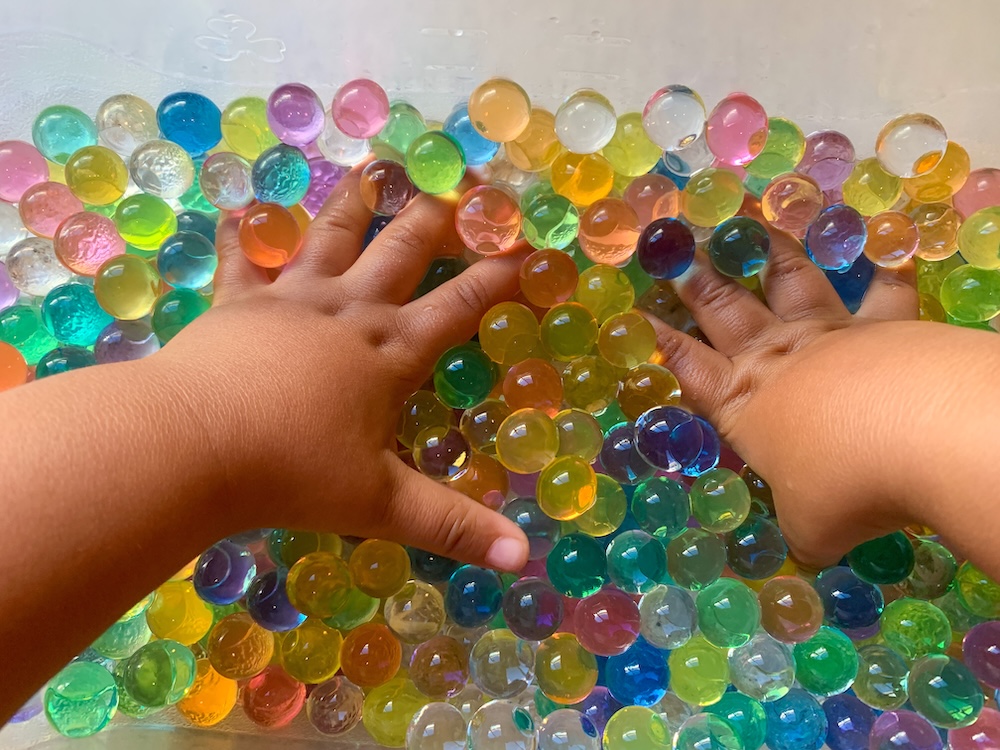
In addition to small batteries and high-powered magnets, water beads, which are sold as sensory toys, can also be dangerous to children. These are sometimes used as play tools for children with autism and other developmental conditions. However, they are sometimes mistaken as candy by young children and can be accidentally swallowed or inhaled as a result. Once inside the body, they can absorb fluids and grow, which can lead to blockages and life-threatening damage. Water beads are also choking hazards, particularly for children under the age of three. Symptoms of ingestion may include loss of appetite, lethargy, drooling, vomiting, wheezing, abdominal pain, or constipation. If you suspect that your child has swallowed water beads, call Poison Help at 1-800-222-1222 immediately. It is recommended not to have water beads in households with young children. 

By staying informed, inspecting toys and household items, and taking proactive measures, you can ensure a safe environment for your children to play in. If you have any questions or concerns about toy safety, please call our office.




Preventing Sports Injuries in Children

Engaging in sports offers children and teens a chance to stay active, build confidence, and foster friendships. Sports also bring a sense of excitement and accomplishment while helping young athletes develop essential skills. However, it’s important to also understand the risks of injury, especially if kids push their limits. There are many things families can do to protect their kids from getting injured so that they can enjoy sports safely.  

Common injuries from sports in kids include sprains, strains, growth plate irritation, and stress fractures (which are small bone fractures caused by repeated stress and impact). While all sports can cause injuries, sports with the most contact pose a greater risk of a traumatic injury. We recommend that young athletes avoid specializing in one sport too early. Playing a variety of sports not only provides opportunities to develop a broader range of skills, but it also reduces the risk of repetitive stress injuries. As a parent, you have a key role in guiding children toward age-appropriate sports that match their development and physical abilities. Your pediatrician can also help you assess this. 

To prevent injuries and ensure that sports remain safe and fun for kids, encourage your child to take time off. It’s best for children to take at least one day off each week and one month off per year from training for a specific sport. This allows the body to recover. Additionally, your child should have the appropriate protective gear that fits correctly, such as pads, helmets, mouth guards, and eyewear. It is also important for children to strengthen their muscles and flexibility.  Conditioning exercises that focus on the muscles used in sports can help build stability.  Stretching after practices or games improves flexibility – all of which helps prevent muscle strains.  

Another way to prevent injury is to ensure that proper techniques in sports are being used and that safety rules are followed. This includes avoiding head first sliding in baseball and spearing in football. If your child ever feels pain, they should stop playing at once. Playing through pain can turn a minor injury into something serious. Taking breaks during practices and games is also crucial. This is especially the case when the weather is hot so that your child doesn’t get a heat-related illness or fatigue-based injuries. Make sure your child stays hydrated and wears appropriate clothing for the weather as well.

Physical injuries aren’t the only concerns when it comes to sports. Emotional stress can also take a toll on young athletes. Although winning is exciting, it’s important to keep the focus on effort, improvement, and teamwork. Kids should feel encouraged to enjoy sports for the fun, health benefits, and learning opportunities rather than feeling pressured to win.

While sports injuries can’t always be avoided, these steps can minimize the risks. If you have any questions or concerns about sports injuries, call our office. We advise that your child gets evaluated if they experience any point tenderness over a bone, regardless if the swelling is only minimal. Even mild pain should be addressed as it can lead to greater problems.


Sudden Infant Death Syndrome (SIDS)

At least 3,500 babies die every year from sudden infant death syndrome (SIDS) and accidental suffocation or strangulation. Losing a baby to sudden death is extremely devastating for families and can cause feelings of guilt along with grief. The cause of a baby’s death isn’t always clear at first, but most sudden deaths occur while the baby is sleeping. SIDS is still being studied by experts, but there are multiple things parents can do to reduce the risk and protect their baby. 

One of the essential recommendations from pediatricians is to ensure that your baby sleeps safely and in a safe environment. This includes placing the baby on their back and on a firm and flat surface – there should be no soft and loose bedding or objects such as pillows, blankets, and stuffed toys. Use a fitted sheet only and keep everything else out of your child’s crib or bassinet. Infants should not sleep on their stomachs (or on their side where they can roll over onto their stomach) as research suggests that SIDS might be caused by defects in the part of the brain that controls breathing and waking up. If the baby is on their stomach, they can sleep too deeply and not wake up when they need oxygen.  

It is also recommended to not let your baby share a bed, including putting twins or multiples together. Babies should sleep in a crib or bassinet alone, but it is highly beneficial to share a room with your baby so that you can watch over them. Never let your baby sleep in car seats, strollers, infant carriers, or swings. You’ll also want to make sure that the temperature of your baby’s sleep environment is safe. If your baby gets too hot, they become at higher risk for death. 

Another important precaution to follow is to avoid any smoke exposure. It is advised for pregnant women to avoid smoking, even if it’s just one cigarette per day, as it can double the risk for sudden infant death syndrome. Smoking near the baby should be avoided at all times as secondhand smoke increases their chances of dying and it also jeopardizes their respiratory system. Vaping and e-cigarettes are not safe around infants.  

Breastfeeding is recommended for babies to strengthen their immune system, provide all of the nourishment they need, and ensure that they develop healthy and strong. It can also reduce the risk of SIDS by 50%! Breast milk causes babies to wake up more easily when they need to which protects them from dying. A pacifier can also help keep your baby safe from sudden death, but it’s best to wait until your baby can latch onto the breast during nursing and has started to gain weight. 

Tummy time can protect babies as it strengthens their neck muscles and helps prevent flat spots on the head. An adult should always be with a baby during tummy time and it should only be done while the baby is fully awake. As always, keeping up with your child’s well-check visits is extremely important for ensuring that your baby’s development and health are on track and for them to be up-to-date with their immunizations. Immunization is helpful in protecting babies from sudden infant death syndrome. To schedule your baby’s visit or if you have any questions about keeping your little one safe, please call our office.