

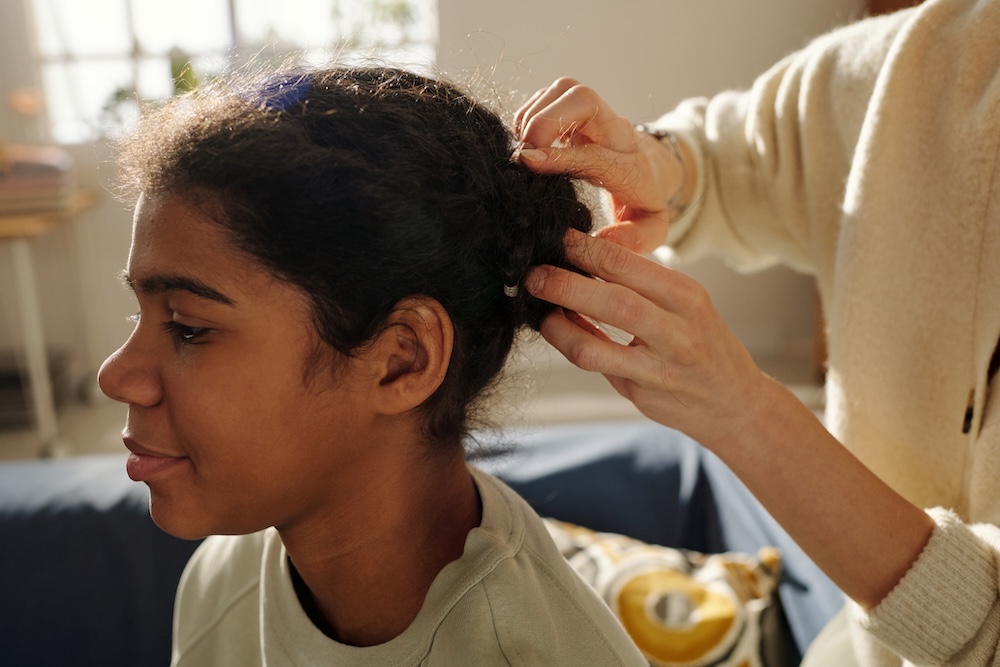
Head Lice: A Guide for Parents

Head lice are a common issue for families, especially those with children in elementary school. While anyone can get them, lice tend to spread more easily among younger kids because they’re more likely to have head-to-head contact with friends or share items like hats, brushes, or hair accessories. Although lice can cause stress, itching, and discomfort, it’s important to remember that they are not dangerous and can be treated effectively at home. Knowing how to identify lice, how to treat them, and which common myths to ignore can help parents manage the problem with confidence.

What Are Head Lice and Nits?

Head lice are tiny, wingless insects about the size of a sesame seed. They are usually gray, brown, or pale in color and survive by feeding on small amounts of blood from the scalp. Without a host, lice cannot survive longer than a day. Their eggs are called nits, and they are oval-shaped and usually yellow or white. Nits are attached firmly to hair shafts near the scalp and hatch within 7 to 12 days. An adult louse can live for around 28 days. Because lice spread mainly through direct head-to-head contact, children are the most common group affected. They can also spread through shared items like combs, helmets, or hats, but lice do not jump or fly. They are crawling insects only.

Signs of Head Lice and How to Check

Persistent scalp itching is often the first sign of head lice. This irritation comes from an allergic reaction to the lice’s saliva. Itching is often most noticeable behind the ears and at the base of the neck. However, keep in mind that the itching may not appear until four to six weeks after lice are first present. To check for lice, use bright lighting and part the hair in small sections, and then carefully examine the scalp. Because lice move quickly, you may not always see the insects themselves, so checking for nits is key. Unlike dandruff or other scalp debris, nits cling tightly to the hair and cannot be brushed away easily.

Treating Head Lice

Once you’ve confirmed lice, treatment should begin right away. The most reliable method is careful combing, sometimes used in combination with medicated treatments. Some home remedies, like applying mayonnaise, butter, olive oil, or margarine, are often suggested but have no proven effectiveness. Over-the-counter treatments may also fail in some cases because lice have grown resistant to certain ingredients. For this reason, it’s best to consult your pediatrician about prescription-strength options.

When using a medicated treatment, apply it to your child rather than letting them handle it themselves. Always follow package instructions closely. Rinse the product out over a sink with warm water, and consult your pediatrician before repeating the treatment. After applying medication, use a fine-tooth comb to remove any remaining lice and nits. Combing should be done every couple of days for 2–3 weeks, or as long as the instructions recommend, to ensure all lice are gone.  The most effective method is combing lice out and while this can be done at home, there are also multiple salons that specialize in this and can do it for you to effectively remove all lice and nits which will stop the infestation right away.

Cleaning and Preventing Re-infestation

To avoid lice returning, wash any bedding, clothing, hats, or towels your child used within two days before treatment in hot water. Items that can’t be washed should either be dry-cleaned or sealed in a plastic bag for two weeks. It’s also a good idea to check all household members for lice to prevent re-infestation.

 For any questions or concerns about head lice, please call our office. 



Common Breastfeeding Challenges and How to Overcome Them

Breastfeeding is one of the most natural ways to feed and bond with your baby. The American Academy of Pediatrics recommends exclusive breastfeeding for the first six months. After that, you can start supplementing with solids while breastfeeding for the remainder of your child’s first year, or longer as desired by you and your baby. Breast milk delivers all the nutrients and hydration your baby needs, strengthens their immune system, supports development, and deepens the parent-baby connection. However, even though breastfeeding is natural, there can still be some challenges. Fortunately, many of the common challenges have solutions, especially when addressed early.

Getting the Latch Right for Breastfeeding
An improper latch is one of the most common causes of discomfort while nursing. A good latch ensures your baby gets enough milk and prevents nipple pain. Signs of a proper latch include feeling pressure without sharp pain, your baby’s mouth covering a wide area of the areola (not just the nipple), and their chin pressing into your breast with their nose close by. If latching feels uncomfortable or painful, gently break the suction with your finger and try again. Using a C-hold (four fingers under your breast and thumb on top) can make the nipple more accessible. Touch your baby’s lower lip with your nipple and then bring their chin toward your breast to encourage a full latch. 

Sore Nipples, Discomfort, and Mastitis
Mild tenderness is common in the early days, but ongoing or severe pain is not. Soreness may be due to latch issues, chapped skin, tongue-tie, or infection. Expressing a few drops of milk after feeding and letting it air dry can soothe irritation. If pain persists or if you notice swelling, redness, or flu-like symptoms, contact your healthcare provider. Sometimes, pain could be due to mastitis, an infection often caused by poor breast drainage. Mastitis requires prompt treatment, which may include antibiotics, anti-inflammatory medication, rest, and frequent nursing. Cold compresses can also ease discomfort.

Dealing with Engorgement
Engorgement occurs when the breasts become overly full, making them hard, swollen, and painful. It’s more common in the early days after milk comes in or if feedings are delayed. Left untreated, engorgement can lead to clogged ducts or mastitis. To relieve it, nurse more often and start on the fuller side. Gently massage toward the nipple during feeds, use warm compresses beforehand to stimulate milk flow, and apply cold packs afterward to reduce swelling.

Managing Clogged Milk Ducts
Clogged ducts happen when milk flow is blocked, often creating a tender lump. This can result from skipping feedings, poor drainage, tight clothing, or not varying feeding positions. To clear a clog, continue nursing or pumping on the affected side, use warm compresses, massage the area gently, and change positions to help drain all parts of the breast. A warm shower before feeding can also help. If you develop a fever or the pain worsens, see your healthcare provider. Untreated clogs can lead to infections.

Low Milk Supply and Baby’s Intake
Many parents worry about whether their baby is getting enough milk. Signs your baby is getting enough intake include six or more wet diapers per day after the first week, frequent swallowing during feeds, contentment afterward, and steady weight gain. If you suspect your supply is low, it’s best to speak with your pediatrician. We can check your baby’s weight and suggest ways to boost supply, such as more frequent nursing, ensuring a proper latch, and avoiding unnecessary supplementation unless medically advised. While breastfeeding can have its hurdles, most families can work through them successfully with the right guidance and support. If you run into challenges, please contact our office. We provide breastfeeding support and lactation services to help you and your baby every step of the way. 

Breastfeeding Benefits for Baby and Parent

Happy National Breastfeeding month!  Breast milk is the best source of nutrition for babies for the first six months of their lives. It provides all the nutrients and water your baby needs in the right amounts, which is why the American Academy of Pediatrics recommends exclusively breastfeeding for the first six months of your child’s life. After that, you can begin supplementing with solids while continuing to nurse until your child is one or beyond (if desired by both you and your baby). In addition to nutrition, breastfeeding has several other benefits for both the baby and the parent. Read on for more information.

Breastfeeding Benefits for the Immune System
Breast milk strengthens your baby’s immune system by providing antibodies to fight infection. Colostrum, the first milk produced after birth, is particularly rich in immune-boosting components, but protective antibodies remain present throughout breastfeeding. These antibodies, combined with the milk’s proteins, fats, and sugars, support your baby in fighting gastrointestinal infections and other illnesses, with benefits that often continue even after breastfeeding ends. Research has revealed that breastfed babies are less likely to get ear infections, pneumonia, urinary tract infections, and some forms of meningitis, as well as lower their risk for leukemia and lymphoma. Breast milk also contains probiotics that promote healthy gut bacteria, which can reduce the risk of allergies, asthma, obesity, and chronic conditions later in life.

Bonding and Development Benefits from Breastfeeding
The skin-to-skin contact of breastfeeding helps nurture the emotional bond between you and your baby. It also helps regulate your baby’s temperature, heart rate, and stress levels while providing comfort and reassurance. Studies show that breastfeeding is associated with a lower risk of Sudden Infant Death Syndrome (SIDS) by up to 64%, and reduces overall infant mortality by as much as 40%. Nursing also supports sleep, brain development, and emotional growth in infants.

Breastfeeding Benefits for the Parent
For nursing parents, breastfeeding offers many health benefits as well. It can lower the risk of ovarian and breast cancer, type 2 diabetes, heart disease, and high blood pressure, improve bone density, and help with getting better sleep. It may also aid postpartum recovery and reduce the risk of postpartum depression. Additionally, breastfeeding can provide metabolic support to return to pre-pregnancy weight. 

Breastfeeding Advice and Frequency
It’s recommended to begin breastfeeding within the first hour after birth whenever possible. During the first year, babies typically nurse 8 to 12 times in 24 hours, depending on hunger cues. You can tell if your baby is getting enough milk when they produce at least six wet diapers per day once milk supply is established. It’s important to keep track of their weight, which your pediatrician can help you with. 

If you return to work or need to be away from your infant, pumping breast milk can help maintain your supply and ensure your baby continues to get breast milk. Always follow the breast pump manufacturer’s instructions, keep the equipment clean, and store milk properly in the refrigerator or cooler if it isn’t used immediately. Massaging your breasts before pumping can help stimulate milk flow. For guidelines on proper milk storage, check out this guide. For tips on how to clean your pump parts, click here

As a reminder, make sure to schedule your newborn’s first check-up within 72 hours of hospital discharge. Your pediatrician can assess whether your baby is getting enough milk, address any feeding concerns, and provide additional breastfeeding guidance. To learn about our breastfeeding support and lactation services, please contact our office.