

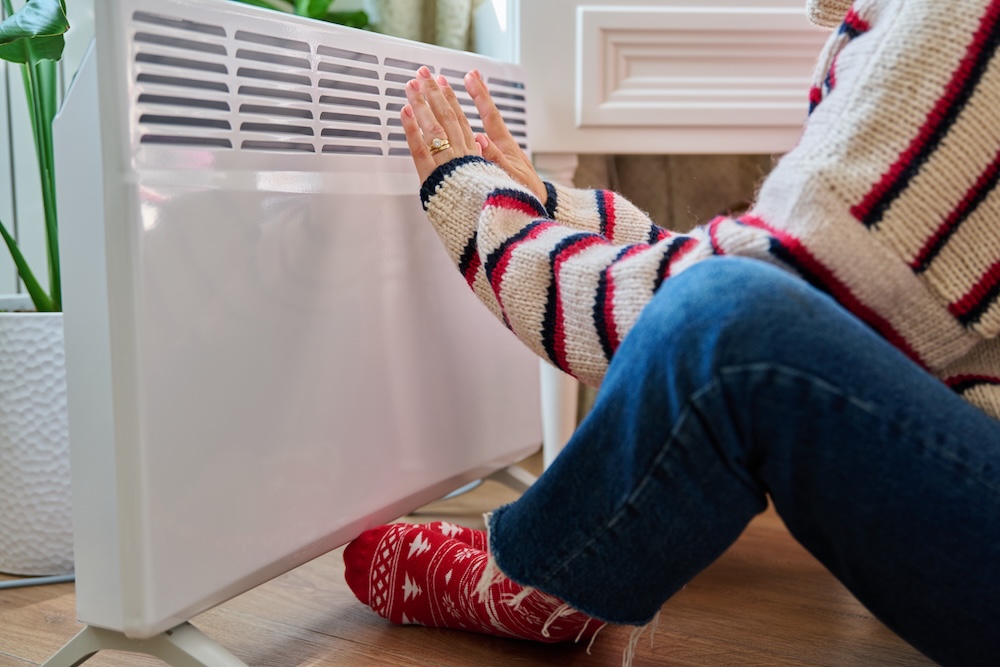
Space Heater, Fireplace, and Carbon Monoxide Safety

Quick answer: Space heaters and fireplaces keep homes warm in winter but carry serious risks: burns, fires, and carbon monoxide poisoning. Carbon monoxide is colorless and odorless, so install detectors on every level near bedrooms, test them monthly, and change batteries yearly. If an alarm sounds, get everyone outside immediately and call 911.

As temperatures drop in the winter months, many families rely on space heaters or cozy fireplaces to keep the house warm. While these heat sources can be comforting, they also come with safety risks that families should be aware of. Burns, fires, and carbon monoxide poisoning are all serious dangers that can be prevented with proper precautions. Knowing how to use heating equipment safely will help ensure your family stays warm and safe.    Understanding Carbon Monoxide Carbon monoxide is a colorless, odorless gas produced by the incomplete burning of fuels such as gas, oil, wood, and coal. Common household sources include furnaces, fireplaces, space heaters, and gas stoves. Because carbon monoxide cannot be seen or smelled, it can build up quickly and quietly in enclosed spaces, posing a serious risk to children and adults alike. Carbon monoxide poisoning can lead to headaches, dizziness, nausea, confusion, and in severe cases, loss of consciousness or death. Children are especially vulnerable because their bodies use oxygen more rapidly than adults.  To protect your home, install carbon monoxide detectors on every level of your place, especially near bedrooms. Test the detectors monthly and change the batteries at least once a year. If an alarm goes off, get everyone outside immediately and call 911. Never ignore a carbon monoxide alarm, even if symptoms seem mild.   Safe Use of Space Heaters  Portable space heaters can be useful for heating a single room or supplementing your home’s heating system, but they’re also a leading cause of home fires if used improperly. It’s important to place space heaters at least three feet away from anything that can burn, including furniture, curtains, bedding, and clothing. Never put a space heater on top of furniture or near flammable materials. Additionally, you’ll want to choose a heater with a tip-over switch that automatically shuts off if it falls, and look for models with overheat protection. Always plug heaters directly into wall outlets rather than extension cords or power strips, which can overheat and spark. Turn off space heaters when you leave a room or go to sleep. Most space heater fires occur when the unit is left unattended or placed too close to combustible materials. Children are naturally curious and may not understand the danger a heater can pose. Teach your child that space heaters are not toys and should not be touched. Create a “no-go” zone around the heater and think of it as a safety bubble that no one should enter while the heater is running.   Fireplace Safety  Fireplaces also help warm your home, but they require careful handling to prevent burns and fire hazards. Teach your children to stay at least three feet away from the fire and install sturdy safety screens or glass doors to prevent sparks and embers from escaping. Before lighting a fire, have your chimney inspected and cleaned by a professional. Creosote, a sticky substance that builds up inside chimneys, can catch fire if it’s not removed regularly. Also, consider using a fireplace grate to keep logs from rolling out into the room, and never leave a fire unattended. Gas fireplaces should have properly functioning safety controls and a clear, unobstructed venting system. Some gas fireplaces can emit small amounts of carbon monoxide, especially if they are not properly adjusted or vented. Again, working smoke and carbon monoxide detectors are essential in rooms with any fuel-burning appliance.   Everyday Habits That Ensure Safety  Whether you’re using a space heater, fireplace, or the main heating system, there are shared habits that make your home safer in cold weather. First, make sure all fuel-burning equipment is installed and maintained according to manufacturer instructions and local building codes. Have your furnace, chimney, and other heating systems inspected annually by a professional. Keep flammable liquids such as gasoline, paint thinner, or aerosol sprays far away from heat sources. Don’t dry clothes, papers, or other items near space heaters or fireplace embers, and avoid hanging stockings or decorations too close to open flames or hot surfaces. Also, make sure to teach your children basic fire safety, like how to stop, drop, and roll, and how to safely exit the house in case of a fire. Practice fire drills at home so everyone knows what to do if there’s smoke or fire, and make sure your family has an agreed-upon meeting place outside. If you have questions about home heating safety, carbon monoxide risks, or how to protect your children from burns and fires during cold weather, please call our office. We’re here to help your family stay safe, warm, and healthy all year long!

Frequently asked questions

What is carbon monoxide and why is it dangerous?

Carbon monoxide is a colorless, odorless gas produced by the incomplete burning of fuels like gas, oil, wood, and coal. Because it cannot be seen or smelled, it can build up quickly in enclosed spaces. Children are especially vulnerable because their bodies use oxygen more rapidly than adults.

What are the symptoms of carbon monoxide poisoning?

Symptoms include headaches, dizziness, nausea, confusion, and in severe cases loss of consciousness or death.

Where should carbon monoxide detectors go?

Install detectors on every level of your home, especially near bedrooms. Test them monthly and change the batteries at least once a year. If an alarm goes off, get everyone outside immediately and call 911.

Related reading: Spring Safety for Children, contact our office. Peninsula Pediatrics proudly cares for families across the Rockaways.


What to Know About Tylenol

Quick answer: According to the American Academy of Pediatrics, Tylenol (acetaminophen) is safe for children when used as directed, and there is no link between acetaminophen and autism. Decades of studies show it effectively relieves pain and reduces fever when given in the correct dose. Always follow dosing guidance for your child’s weight.

As a parent, you’ve likely reached for Tylenol (the brand name for acetaminophen) at some point, whether to ease your baby’s fever or soothe teething pain. Recently, some headlines and social media posts have raised questions about whether acetaminophen could be linked to autism or other developmental conditions. Understandably, this has caused concern for many families. According to the American Academy of Pediatrics (AAP), Tylenol is safe for children when used as directed, and there is no link between acetaminophen use and autism. Decades of studies have shown that acetaminophen, when taken in the correct dose, is an effective and safe way to relieve pain and reduce fever in children. Millions of families have used it for more than 70 years, and it remains one of the most trusted medications in pediatric care. Some recent claims online have suggested a possible connection between acetaminophen use during pregnancy or early childhood and autism spectrum disorder (ASD). However, according to the AAP, these claims are not supported by credible scientific evidence. The research cited in those claims is inconsistent and does not demonstrate a cause-and-effect relationship. In fact, when experts have reviewed all available data, the conclusion is clear: acetaminophen does not cause autism. When a child is sick, comfort and safety are a parent’s top priorities. Acetaminophen remains one of the safest options for managing fever and pain relief, especially compared to other alternatives. It can be used for children of all ages, including infants, as long as the correct dose is given based on the child’s weight and age. Here’s what parents can keep in mind for safe use: 
  •     Always follow dosing directions carefully. The right dose depends on your child’s weight, not just their age. Your pediatrician or the medication label can help guide you.
  •     Use the right measuring device. Household spoons are not accurate. Use the syringe or cup that comes with the medication.
  •     Keep track of timing and doses. Avoid giving more than the recommended amount within 24 hours.
  •     Consult your pediatrician if your child’s fever lasts more than a few days or if you’re unsure about dosing.
  When used as directed, acetaminophen can safely relieve discomfort from teething, colds, ear infections, or even post-vaccine soreness. It’s also a recommended fever reducer for infants under 6 months old (since ibuprofen is not yet safe for that age group). Some parents have also asked whether taking acetaminophen during pregnancy could affect a baby’s development. The AAP notes that current research does not prove a link between acetaminophen use in pregnancy and autism or ADHD. Pregnant individuals are encouraged to discuss all medications with their healthcare provider, but acetaminophen remains one of the few pain and fever relievers considered safe to use when needed. It’s easy for misinformation to spread quickly online, especially when it comes to children’s health. The AAP continues to closely review new studies, and its guidance is based on a careful scientific review, not trends or headlines. Your pediatrician is also here to help you navigate these questions and ensure your child gets the care they need. If you have questions about medications, dosing, or managing fever and pain at home, please contact our office. 

Frequently asked questions

Is Tylenol safe for children?

Yes. According to the American Academy of Pediatrics, acetaminophen is safe and effective for children when used as directed, and it has been trusted in pediatric care for more than 70 years.

Does acetaminophen cause autism?

No. According to the AAP, claims linking acetaminophen to autism are not supported by credible scientific evidence. The research behind those claims is inconsistent and does not show a cause-and-effect relationship.

How should I give my child Tylenol?

Give acetaminophen in the correct dose for your child’s weight and follow the label. You can use our dosing chart and call the office if you have any questions.

Related reading: Tylenol Dosing Chart, Fevers in Children: What Parents Should Know, contact our office. Peninsula Pediatrics proudly cares for families across the Rockaways.

How to Give Your Baby a Bath

Quick answer: For the first two weeks, give your newborn sponge baths until the umbilical cord area heals, to help prevent infection. Newborns rarely get dirty, so two to three baths a week is enough, since daily bathing can dry their sensitive skin. Once the cord heals, you can start tub baths in a small, non-slip baby tub.

Bathing your baby can be a great bonding experience, but for many new parents, it also brings a lot of questions. You might be wondering how often you should bathe your baby and how to do so safely. We provide some of the basics and essentials to know about giving your child baths. During the first two weeks of your newborn’s life, your baby should get sponge baths until their umbilical cord area heals completely. This helps prevent infection. As newborns rarely sweat or get dirty, you don’t need to bathe your baby every day. Doing so can dry out your baby’s skin, which is sensitive when they’re still so young. Two to three times per week is sufficient. For a sponge bath, gather all your supplies before you begin. Have a basin of warm water ready, but make sure it’s not hot. You’ll also want to use a soft washcloth, a mild baby soap if desired, and a clean towel. Lay your baby on a flat, safe surface like a changing pad, and keep them wrapped in a towel, uncovering only the areas you’re washing. Gently clean their face, neck, hands, and diaper area. Use a damp cloth to clean your baby and avoid scrubbing. After you’re done, you can pat them dry and dress them in fresh clothes. Once your baby’s umbilical cord area has healed, you can start giving tub baths. It’s best to use a small plastic baby tub that has a sloped, textured surface or a sling that keeps your baby from sliding. Always place the tub on a flat surface where you can maintain full attention. Babies should never be left unattended in a tub, not even for a moment. Use just a few inches of warm water and always check the temperature with your wrist or elbow before placing your baby in the tub. You don’t need to use soap every time, but when you do, opt for a mild, fragrance-free baby wash. Support your baby’s head and neck with one hand and use the other to gently bathe them. It’s recommended to start with the cleanest areas, like the face, and work your way down to the diaper area. Use a soft washcloth and avoid getting water in their ears or eyes. Most babies only need a few minutes in the bath. When they’re finished, gently lift your baby out, supporting their head and neck, and wrap them in a soft towel immediately. Babies lose heat quickly, so it’s important to dry and dress them right away. Once your baby is several months old and has begun eating solids and is moving around more, you can bathe them more regularly. It’s still, however, important to use gentle, non-drying products and limit soap to avoid skin irritation. Bath time can be relaxing for babies, but there are some precautions to be aware of. Drowning can happen in a few seconds and even in one to two inches of water. That is why babies should always be supervised in a tub. It’s important to keep one hand on your baby at all times while bathing. As babies have thin skin, the temperature of the water is important. Water that is too hot (120 degrees Fahrenheit or more) can damage your baby’s skin. Make sure the tub is not too slippery. You can place a non-slip mat or towel inside. The American Academy of Pediatrics recommends avoiding the use of bath seats. While they can help a child to sit upright in an adult bathtub, they can tip over and put your baby in danger of drowning or injury. By following all of these tips, you can create a pleasant bathing experience for your child. If you have any questions or concerns about your infant’s health or development, please call our office.

Frequently asked questions

How often should I bathe my newborn?

Two to three times per week is sufficient. Newborns rarely sweat or get dirty, and bathing every day can dry out their sensitive skin.

When can my baby start taking tub baths?

Once the umbilical cord area has fully healed. Until then, give sponge baths to help prevent infection. For tub baths, use a small plastic baby tub with a sloped, textured surface or a sling so your baby does not slide.

How do I give a newborn a sponge bath?

Gather your supplies first, including a basin of warm but not hot water, a soft washcloth, mild baby soap if desired, and a clean towel. Lay your baby on a flat, safe surface, keep them wrapped, and gently clean the face, neck, hands, and diaper area without scrubbing.

Related reading: Keeping Your Baby Safe and Cool During the Summer, contact our office. Peninsula Pediatrics proudly cares for families across the Rockaways.