


What to Know About Added Sugar

March is National Nutrition Month and an important thing to consider for your child’s diet is how much added sugar they’re consuming. Sugar is found in a variety of food, drinks, and snacks. It can even sneak up in foods and condiments that people wouldn’t expect such as crackers, breads, ketchup, etc. Because added sugar is so commonly found, many children consume more sugar than what is considered safe and healthy. Excess consumption of added sugar can lead to conditions like obesity, type 2 diabetes, high cholesterol, and heart disease, and it can weaken the immune system as well. Limiting your child’s sugar intake is a key part to maintaining a healthy diet.

Keep in mind though that not all sugars are the same. Natural sugar, which is found in whole foods like fresh fruits, starchy vegetables, whole grains, and other complex carbs, is safe to consume. In fact, foods that contain natural sugar are beneficial because they’re rich in nutrients and fiber, which slows down the digestion of sugar. Natural sugar is also important to prevent hypoglycemia, which occurs when the blood sugar level is too low, leading to fatigue and dizziness. Consuming natural sugar from fruits and other whole foods provides your children with energy. But unlike natural sugar, added sugar and refined sugar are added to foods that don’t naturally have them. These sugars come in various names and types, such as high-fructose corn syrup, brown sugar, molasses, honey, malt syrup, and raw sugar. Processed sugar in particular is the most harmful and should therefore be the most limited. This type of sugar is typically found in soda, candy, packaged snacks, and baked goods. 

We recommend looking out for packaged foods advertised as “healthy,” including breakfast cereals, as these can contain a significant amount of added sugar. No more than 25 grams of added sugar (about 6 teaspoons) or more than 10% of calories should be consumed on a daily basis. The best way to ensure that your child is not going over these limits is to read the list of ingredients and nutrition facts labels carefully. For tips on how to read labels, check out this resource from the American Academy of Pediatrics. Children under 2 years of age shouldn’t consume any added sugar. 

Another important thing to be aware of is that sugar-containing beverages like soda and juice, as well as candies, tend to be more harmful than many sugar-containing snacks. The reason for this is because they’re known as having “empty calories” without any nutrients or fiber to aid in digesting the sugar. Treat these as treats for special occasions so that your child doesn’t develop a habit of consuming them. If your child has a strong sweet tooth, the best option to satisfy it is by giving them fruits like bananas, apples, pears, strawberries, grapes, watermelon, plums, etc.  

If you have any questions or concerns about your child’s diet, please contact our office. Our pediatrician can guide your family on healthy eating. 
Diabetes in Children

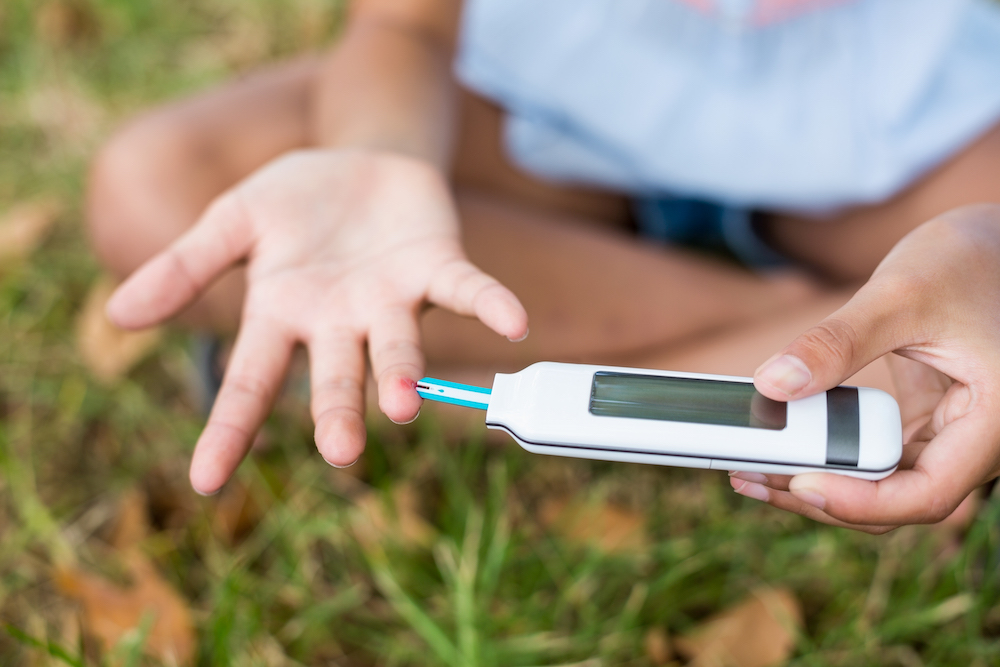
Diabetes is a chronic medical condition that causes problems with the body’s ability to convert food into fuel for the body. It is diagnosed by a blood test that checks the glucose levels, as well as by checking ketones in the urine. There are two types of diabetes: Type 1 and Type 2. Type 1 is when the body does not produce enough insulin to move the sugar in the bloodstream into the cells to use for energy. As a result, sugar builds up in the bloodstream. Type 2 is when the pancreas makes less insulin than it used to and the body becomes resistant to the hormone. Therefore, the cells do not use glucose which then builds up in the blood. When diabetes is left unmanaged, the high glucose levels in the blood can damage the heart, blood vessels, kidneys, eyes, and nervous system over many years.

Most children with diabetes have Type 1, which can be caused by an autoimmune reaction where the immune system attacks its beta cells, leading to the inability to produce insulin. Type 2 diabetes is less common among children, though in recent years, the rate has gone up with the increase in childhood obesity. Obesity and unhealthy diets are risk factors and Type 2 diabetes can be prevented by following good health habits. 

Symptoms of diabetes include increased hunger and thirst, fatigue, irritability, blurry vision, darkened areas of the skin, increased urination, numbness or tingling in the hands and feet, dry skin, and weight loss. If you notice any of these symptoms in your child, it’s important that you call our office to talk to our pediatrician. Your child may need to take a glucose test to see if they have the condition. If they are diagnosed, there are several treatments to control the disease so that your child can continue to lead a normal life. 

To help keep the blood sugar in the normal range, it’s important to monitor the glucose levels on a regular schedule. Insulin as a shot or oral medicine may be prescribed to your child to control their blood sugar. Children should take these as instructed. Taking too much insulin can cause hypoglycemia (which is when the blood sugar is too low) and not taking enough can cause the blood sugar to remain high.   

Children should also follow a well-balanced and healthy diet and doing so can lower the risk of diabetes. If your child has diabetes, you can talk to our pediatrician about creating a meal plan to help manage their condition. Generally, though, kids should eat at least 5 servings of fruits and vegetables each day, high-fiber food, whole grains, lean protein, and healthy fats like nuts and avocados. Foods with saturated fat, added sugar, and refined carbohydrates should be kept to a minimum. It’s also essential to avoid sugary beverages like juice and soda. Instead, kids should drink plain water or milk. We recommend paying close attention to nutrition food labels to check serving sizes and what the products contain, as well as their daily percentage values. For more information about how to follow nutrition food labels, check out this resource here. 

In addition to following a healthy diet, children should regularly exercise and get at least one hour of moderate to vigorous physical activity each day. Exercising lowers blood sugar and helps manage weight. To encourage your child to get adequate exercise, engage them in physical activities that they find fun, such as sports, swimming, bike riding, or dance.  

If you have any questions or concerns about managing your child’s diabetes, call our office. We are here to provide treatment information and resources for your family.

Staying Hydrated with Water

The hot and humid summer has been brutal for many of us! To avoid heat illnesses, it’s very important that your family drinks a sufficient amount of water and stays hydrated. In this blog, we talk about how much water your children need and how to encourage them to drink enough water.

No matter the season, water is always the best choice of drink for children over 6 months of age. Water has no calories or added sugar; it keeps the joints, bones, and teeth healthy, helps with blood circulation, and helps maintain a healthy weight. It can also improve mood, memory, and attention in kids. The amount of water your child needs will depend on their age. 

Babies under 6 months of age should not be given water. Instead, they should be exclusively given breast milk or formula. More than 80% of breast milk is made up of water and provides all of the necessary fluids for your baby. After 6 months, you can start introducing plain water to your infant. Until they reach the age of one, they only need 4-8 ounces per day as the rest of the water should come from breast milk or formula. 

Between the ages of 1-3, children need about 4 cups of water per day which can include the water in milk. Between the ages of 4-8, kids should drink 5 cups and for older children, they should drink 7-8 cups. These are the standard recommendations but they should be adjusted based on levels of activity and environmental conditions. For example, when your child is involved in sports and other physical activities or if the weather is hot, they should consume more water. Children should also drink water before, during, and after physical activities to prevent dehydration. 

We recommend avoiding giving your child sugar-sweetened beverages such as soda and juice. Children under 2 years of age especially should not be given these drinks. For older kids, these beverages should be limited as much as possible. The high content of added sugar in these drinks can lead to unhealthy weight gain, obesity, dental cavities, type 2 diabetes, and other long-term health conditions. Sugary beverages also contain “empty” calories that don’t offer nutritional value and discourage your kids from drinking plain water or eating the nutritious foods their bodies need. 

Even juices that are labeled as 100% fruit juice should be strictly limited. Although they can contain some vitamins, they are still high in calories and added sugar. Eating whole fruits instead is always the better option as they contain a healthy amount of fiber which is lower in juice. Whole fruits are also good sources of water. 

If your child is bored with drinking just plain water, you can make it more appealing and fun for them. Infusing water with fruits like lemons, berries, or cucumber can add some flavor. You can also freeze fruit into ice cubes to decorate their glass or use water bottles and cups that feature their interests, like favorite cartoon characters. Even a fun straw can go a long way. 

One of the best ways to encourage your children to drink water is to be a good model. Drinking water in front of your child will help them develop the habit as well. Remind your kids to drink water frequently throughout the day as sometimes they can forget. 

As a final note, it’s important to be aware of the symptoms of dehydration to address it quickly. For babies, some of the signs include less than the typical amount of wet diapers (6-8), excessive sleepiness, a sunken soft spot on the head, and a lack of tears while crying. For older children, you might see dry lips, infrequent urination or dark-colored urine, fatigue, irritability, flushed skin, headaches, lightheadedness, and rapid pulse. 

If you have any concerns that your child is not getting enough to drink or questions about keeping your kids hydrated, please contact us.