


Why Breakfast is So Important and How to Encourage Your Kids to Eat a Healthy Morning Meal

It’s often said that breakfast is the most important meal of the day and that is indeed true! Unfortunately, breakfast is skipped by many children, especially when they return to school. As kids will be adjusting to a new routine and perhaps getting up earlier for school than they did during the summer, they might not prioritize having their morning meal. But, breakfast is essential for providing the body with energy after a night of fasting. The benefits also include help in concentration, academic performance, the ability to perform physical activities such as sports, and maintaining a healthy weight. Additionally, breakfast boosts memory and brain function and lowers the risk of metabolic conditions like diabetes, stroke, and heart disease. 

Start the new school year with breakfast becoming a part of your child’s daily routine. If your child has a hard time getting up early enough and prefers to snooze in the morning, this is usually because they’re going to bed too late. Adolescents in particular have a challenge of waking up early as their circadian rhythm (the body’s internal clock) delays their sleep cycle. Thus, it’s important to encourage your kids to stick to an early bed time each night and avoid using electronic devices within an hour of their bed time. Electronic devices can keep kids awake at night, especially as the light from these devices have a stimulating effect. Have your child do something relaxing or engage in light exercise before going to bed as these can help put them to sleep.

Another tip for encouraging children to eat breakfast is to eat together as a family when possible. Kids are more likely to stick to a breakfast routine when the entire family does it together. It’s also an opportunity to serve as a role model for your children. Some families might be crunched for time in the morning, but there are ways to streamline the process. Prepare breakfast the night before so that you don’t have to be in a rush in the morning. You can also choose simple and quick to prepare breakfasts such as cereal, oatmeal, or grain toast with peanut butter, hummus, or avocado. 

On days that your kids do not wake up early for breakfast and are in a rush, give them a breakfast snack that they carry on the go or take with them on the bus. It is still better to eat something in the morning, even if it’s small, than nothing at all. Great snacks to eat on the go are energy bars, fruit and nuts, yogurt, or a whole grain bagel. It is always more ideal to eat breakfast at home together as a family, however, and it is also important to have a well-balanced morning meal that is high in protein, fiber, and essential vitamins and minerals. This will help sustain them for several hours until they have lunch in school. 

If your child has trouble with sleep or if you have any questions or concerns about their diet, contact our office to speak to our pediatrician.
Diabetes in Children

Diabetes is a chronic medical condition that causes problems with the body’s ability to convert food into fuel for the body. It is diagnosed by a blood test that checks the glucose levels, as well as by checking ketones in the urine. There are two types of diabetes: Type 1 and Type 2. Type 1 is when the body does not produce enough insulin to move the sugar in the bloodstream into the cells to use for energy. As a result, sugar builds up in the bloodstream. Type 2 is when the pancreas makes less insulin than it used to and the body becomes resistant to the hormone. Therefore, the cells do not use glucose which then builds up in the blood. When diabetes is left unmanaged, the high glucose levels in the blood can damage the heart, blood vessels, kidneys, eyes, and nervous system over many years.

Most children with diabetes have Type 1, which can be caused by an autoimmune reaction where the immune system attacks its beta cells, leading to the inability to produce insulin. Type 2 diabetes is less common among children, though in recent years, the rate has gone up with the increase in childhood obesity. Obesity and unhealthy diets are risk factors and Type 2 diabetes can be prevented by following good health habits. 

Symptoms of diabetes include increased hunger and thirst, fatigue, irritability, blurry vision, darkened areas of the skin, increased urination, numbness or tingling in the hands and feet, dry skin, and weight loss. If you notice any of these symptoms in your child, it’s important that you call our office to talk to our pediatrician. Your child may need to take a glucose test to see if they have the condition. If they are diagnosed, there are several treatments to control the disease so that your child can continue to lead a normal life. 

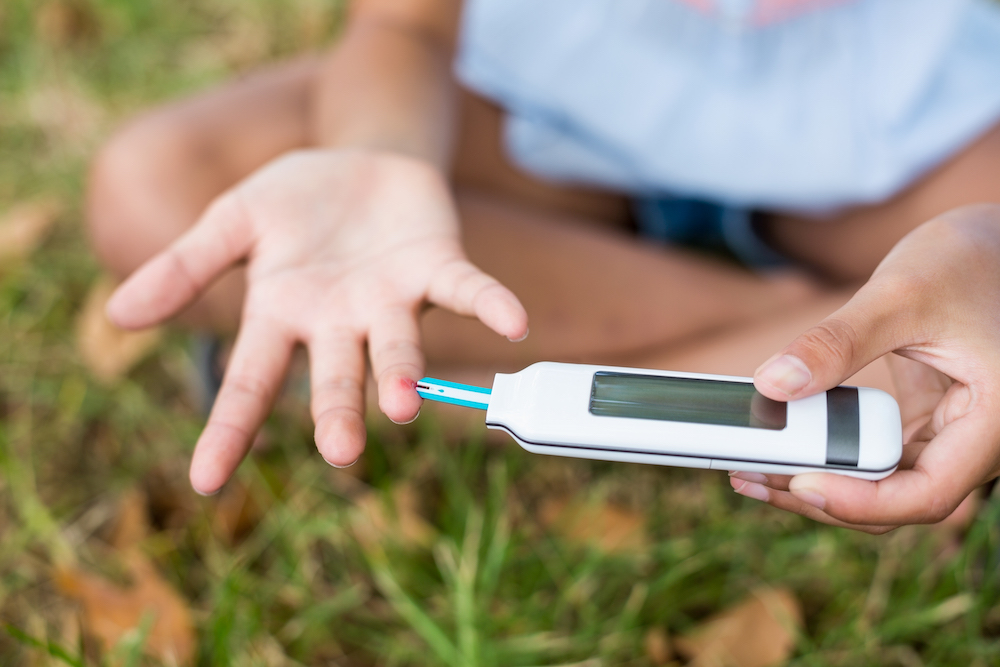
To help keep the blood sugar in the normal range, it’s important to monitor the glucose levels on a regular schedule. Insulin as a shot or oral medicine may be prescribed to your child to control their blood sugar. Children should take these as instructed. Taking too much insulin can cause hypoglycemia (which is when the blood sugar is too low) and not taking enough can cause the blood sugar to remain high.   

Children should also follow a well-balanced and healthy diet and doing so can lower the risk of diabetes. If your child has diabetes, you can talk to our pediatrician about creating a meal plan to help manage their condition. Generally, though, kids should eat at least 5 servings of fruits and vegetables each day, high-fiber food, whole grains, lean protein, and healthy fats like nuts and avocados. Foods with saturated fat, added sugar, and refined carbohydrates should be kept to a minimum. It’s also essential to avoid sugary beverages like juice and soda. Instead, kids should drink plain water or milk. We recommend paying close attention to nutrition food labels to check serving sizes and what the products contain, as well as their daily percentage values. For more information about how to follow nutrition food labels, check out this resource here. 

In addition to following a healthy diet, children should regularly exercise and get at least one hour of moderate to vigorous physical activity each day. Exercising lowers blood sugar and helps manage weight. To encourage your child to get adequate exercise, engage them in physical activities that they find fun, such as sports, swimming, bike riding, or dance.  

If you have any questions or concerns about managing your child’s diabetes, call our office. We are here to provide treatment information and resources for your family.