
Quick answer: Space heaters and fireplaces keep homes warm in winter but carry serious risks: burns, fires, and carbon monoxide poisoning. Carbon monoxide is colorless and odorless, so install detectors on every level near bedrooms, test them monthly, and change batteries yearly. If an alarm sounds, get everyone outside immediately and call 911.
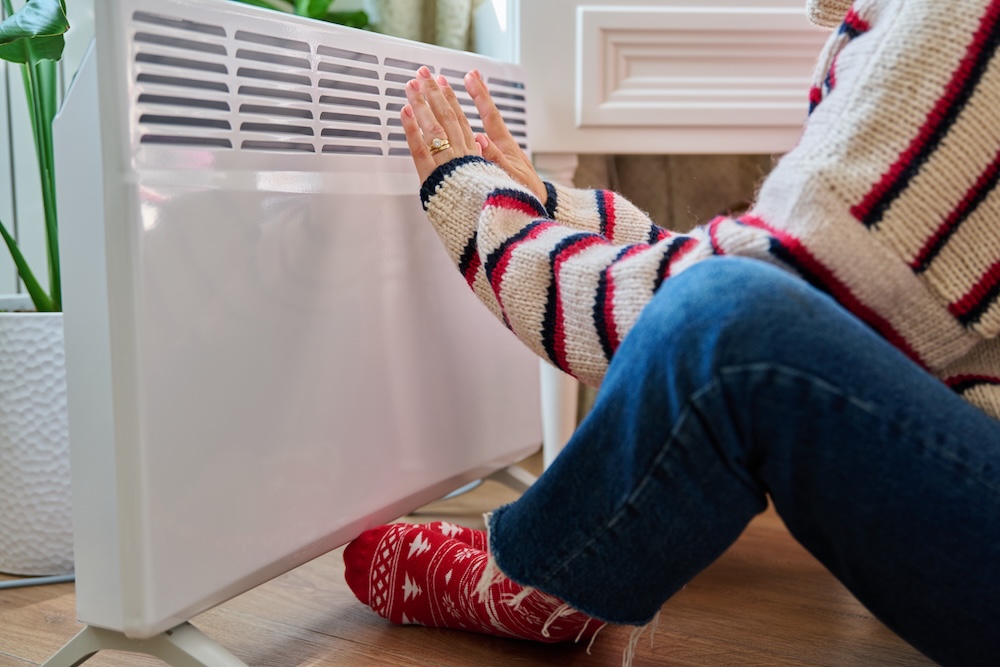
As temperatures drop in the winter months, many families rely on space heaters or cozy fireplaces to keep the house warm. While these heat sources can be comforting, they also come with safety risks that families should be aware of. Burns, fires, and carbon monoxide poisoning are all serious dangers that can be prevented with proper precautions. Knowing how to use heating equipment safely will help ensure your family stays warm and safe. Understanding Carbon Monoxide Carbon monoxide is a colorless, odorless gas produced by the incomplete burning of fuels such as gas, oil, wood, and coal. Common household sources include furnaces, fireplaces, space heaters, and gas stoves. Because carbon monoxide cannot be seen or smelled, it can build up quickly and quietly in enclosed spaces, posing a serious risk to children and adults alike. Carbon monoxide poisoning can lead to headaches, dizziness, nausea, confusion, and in severe cases, loss of consciousness or death. Children are especially vulnerable because their bodies use oxygen more rapidly than adults. To protect your home, install carbon monoxide detectors on every level of your place, especially near bedrooms. Test the detectors monthly and change the batteries at least once a year. If an alarm goes off, get everyone outside immediately and call 911. Never ignore a carbon monoxide alarm, even if symptoms seem mild. Safe Use of Space Heaters Portable space heaters can be useful for heating a single room or supplementing your home’s heating system, but they’re also a leading cause of home fires if used improperly. It’s important to place space heaters at least three feet away from anything that can burn, including furniture, curtains, bedding, and clothing. Never put a space heater on top of furniture or near flammable materials. Additionally, you’ll want to choose a heater with a tip-over switch that automatically shuts off if it falls, and look for models with overheat protection. Always plug heaters directly into wall outlets rather than extension cords or power strips, which can overheat and spark. Turn off space heaters when you leave a room or go to sleep. Most space heater fires occur when the unit is left unattended or placed too close to combustible materials. Children are naturally curious and may not understand the danger a heater can pose. Teach your child that space heaters are not toys and should not be touched. Create a “no-go” zone around the heater and think of it as a safety bubble that no one should enter while the heater is running. Fireplace Safety Fireplaces also help warm your home, but they require careful handling to prevent burns and fire hazards. Teach your children to stay at least three feet away from the fire and install sturdy safety screens or glass doors to prevent sparks and embers from escaping. Before lighting a fire, have your chimney inspected and cleaned by a professional. Creosote, a sticky substance that builds up inside chimneys, can catch fire if it’s not removed regularly. Also, consider using a fireplace grate to keep logs from rolling out into the room, and never leave a fire unattended. Gas fireplaces should have properly functioning safety controls and a clear, unobstructed venting system. Some gas fireplaces can emit small amounts of carbon monoxide, especially if they are not properly adjusted or vented. Again, working smoke and carbon monoxide detectors are essential in rooms with any fuel-burning appliance. Everyday Habits That Ensure Safety Whether you’re using a space heater, fireplace, or the main heating system, there are shared habits that make your home safer in cold weather. First, make sure all fuel-burning equipment is installed and maintained according to manufacturer instructions and local building codes. Have your furnace, chimney, and other heating systems inspected annually by a professional. Keep flammable liquids such as gasoline, paint thinner, or aerosol sprays far away from heat sources. Don’t dry clothes, papers, or other items near space heaters or fireplace embers, and avoid hanging stockings or decorations too close to open flames or hot surfaces. Also, make sure to teach your children basic fire safety, like how to stop, drop, and roll, and how to safely exit the house in case of a fire. Practice fire drills at home so everyone knows what to do if there’s smoke or fire, and make sure your family has an agreed-upon meeting place outside. If you have questions about home heating safety, carbon monoxide risks, or how to protect your children from burns and fires during cold weather, please call our office. We’re here to help your family stay safe, warm, and healthy all year long!Frequently asked questions
What is carbon monoxide and why is it dangerous?
Carbon monoxide is a colorless, odorless gas produced by the incomplete burning of fuels like gas, oil, wood, and coal. Because it cannot be seen or smelled, it can build up quickly in enclosed spaces. Children are especially vulnerable because their bodies use oxygen more rapidly than adults.
What are the symptoms of carbon monoxide poisoning?
Symptoms include headaches, dizziness, nausea, confusion, and in severe cases loss of consciousness or death.
Where should carbon monoxide detectors go?
Install detectors on every level of your home, especially near bedrooms. Test them monthly and change the batteries at least once a year. If an alarm goes off, get everyone outside immediately and call 911.
Related reading: Spring Safety for Children, contact our office. Peninsula Pediatrics proudly cares for families across the Rockaways.