

Substance Abuse Prevention in Kids

Substance abuse can be a challenging topic for parents, but it’s important to talk to your kids about drugs and alcohol to prevent harmful consequences for their health and safety. As kids navigate their adolescent years and are looking to explore new things, peer pressure, curiosity, and stress can lead them to experiment with drugs and alcohol. As a parent, understanding the risks, having open communication, and taking preventive steps can make all the difference.

Kids turn to drugs and alcohol for various reasons, including stress and anxiety, which could result from academic pressures, conflicts with family or friends, and other life challenges. Peer pressure and watching friends use drugs and alcohol can also encourage them. Other contributing factors are curiosity and seeing drugs and alcohol glamorized in movies, TV shows, social media, and music. 

Research shows that establishing clear boundaries and providing parental support reduces the risk of teens turning to substance use. Start by creating a safe environment that encourages your teen to discuss their struggles and issues. This will give you the opportunity to provide them guidance on developing healthy coping mechanisms to handle stress and regulate their emotions. By showing compassion and understanding, you can help make your child feel they have an adult to turn to for support. While it’s essential to regularly talk to your kids about substance use, you’ll want to avoid lectures and instead have an open conversation with your kids that allows them to share their thoughts. Be clear, however, of your expectations and set boundaries for their health and safety. 

Kids are more likely to follow your guidance if you emphasize the risks and dangers of substance use. Many teens believe marijuana is harmless, especially as it’s becoming legal in more states. However, marijuana can impair memory, judgment, and motor skills. The risk is higher in children and adolescents as their brains are developing. Edible marijuana products are even more dangerous since their effects can take longer to appear and lead to users consuming more than they may have intended. A high dose of marijuana can cause severe intoxication, panic attacks, and hospitalization. 

Additionally, smoking tobacco can damage the lungs and increase the risk of cancer, gum disease, and tooth decay. Alcohol is also dangerous for kids and teens whose brains are not fully developed yet. It can cause memory issues and risky behaviors and lead to long-term problems such as liver damage, heart disease, and potentially cancer. Make sure your kids understand the consequences of using these substances so that they can make healthy choices. 

Help your teens resist peer pressure by instilling self-confidence in them and empowering them to say no. Teach them firm ways of expressing disinterest and share strategies for redirecting the conversation. For example, they could say, “No, I don’t drink,” and then change the subject. 

If you suspect or discover that your child is using drugs or alcohol or smoking tobacco, it’s important to approach the situation with concern instead of anger. Start the conversation in a non-judgmental way to understand why they’re using substances. You can then work with them to develop solutions to get them to stop their use. In some cases, professional intervention might be necessary, especially if your child has an addiction or a substance abuse problem. An effective drug treatment program will have a psychiatrist or a clinical psychologist with expertise in associated medical, emotional, or behavioral issues, family therapy services, peer support groups guided by a professional facilitator, and an abstinence-only policy. If the center treats both minors and adults, the adolescent unit should be kept separate.  

For further guidance on choosing the right drug treatment program or any concerns related to substance abuse, please call our office. Our pediatrician is here to help your family and provide the resources you need. 


Keeping Kids Safe from Small Batteries, High-Powered Magnetic Toys, and Water Beads

December is National Toy Safety Month and it is also the holiday season when children often receive toys as gifts. Toys are very beneficial for children’s growth and development and they also make exciting items to receive as holiday presents. However, many toys contain small batteries and high-powered magnets, which can pose significant dangers to children if ingested or mishandled. It’s important to be aware of the safety risks and take preventative measures to protect your kids from potential harm. 

Small batteries, such as button batteries and lithium coin batteries, are tiny, round, and shiny, which makes them particularly appealing to young children. In addition to toys, these batteries are found in remote controls, flashing shoes, and even jewelry. If swallowed, they can cause severe internal injuries. When these batteries come into contact with bodily fluids, they create an electrical current that produces sodium hydroxide. This substance can cause a burn, which is extremely harmful and can even lead to death. 

Symptoms of ingestion are often subtle and mimic common illnesses, such as a sore throat or infection, which can lead to delays in treatment. Additionally, if batteries get placed in a child’s nose or ear, they can cause infections or significant tissue damage. To protect children, parents should ensure that battery compartments on toys and household devices are tightly secured and taped shut. Old batteries should be immediately wrapped in tape and disposed of properly in an outdoor trash can or recycling center, as even “dead” batteries retain enough charge to cause harm. If a child swallows a button battery, it is critical to act immediately and take them to the emergency room. While en route, it is recommended to give your child two teaspoons of honey every ten minutes and up to six doses, if they are over the age of one.

High-powered magnets can also cause catastrophic injuries if swallowed. They can also get stuck in the nose and cause serious injuries to your child’s nasal respiratory tract. Products such as magnetic sculpture sets or reusable water balloons with magnetic seals are particularly risky. Symptoms of ingestion may include abdominal pain, vomiting, or a fever. Parents can reduce the risk of ingestion by avoiding magnetic toy sets altogether or storing them in locked or out-of-reach containers when not in use. It is also important to regularly inspect toys for loose magnets or cracks. 

If your child swallows a magnet, it’s important to seek medical attention right away. Delays can lead to severe injuries, infections, or potentially death. In some cases, children may require surgery. If a child is injured by a magnetic toy or small battery, report the incident to the CPSC at SaferProducts.gov. Doing so helps identify hazardous products and prevent future injuries.

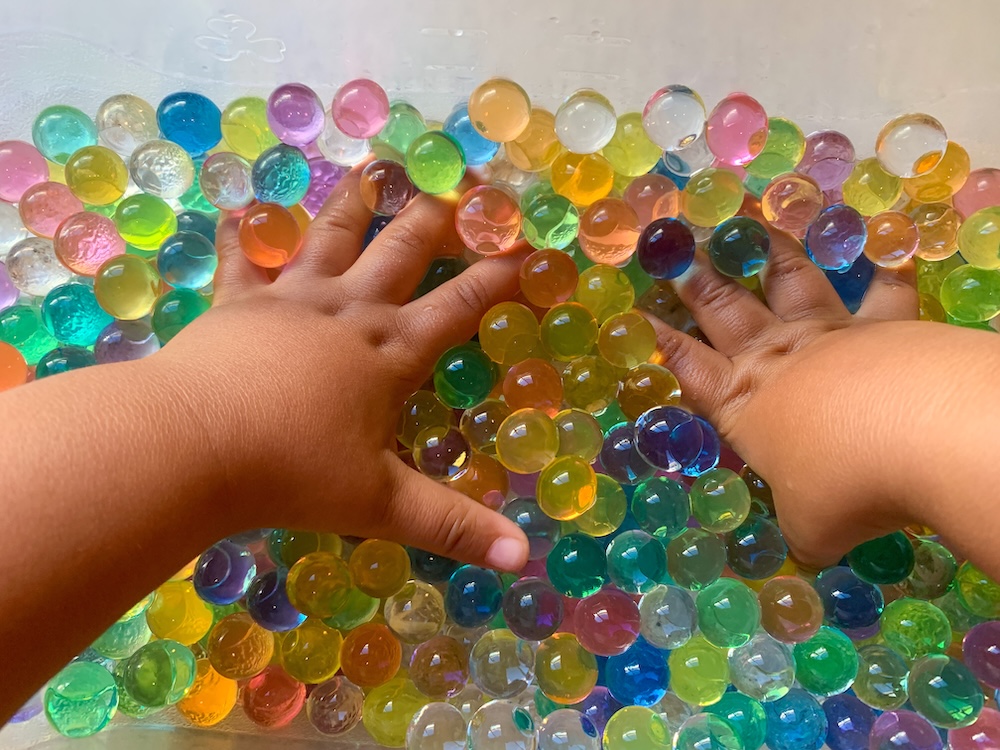
In addition to small batteries and high-powered magnets, water beads, which are sold as sensory toys, can also be dangerous to children. These are sometimes used as play tools for children with autism and other developmental conditions. However, they are sometimes mistaken as candy by young children and can be accidentally swallowed or inhaled as a result. Once inside the body, they can absorb fluids and grow, which can lead to blockages and life-threatening damage. Water beads are also choking hazards, particularly for children under the age of three. Symptoms of ingestion may include loss of appetite, lethargy, drooling, vomiting, wheezing, abdominal pain, or constipation. If you suspect that your child has swallowed water beads, call Poison Help at 1-800-222-1222 immediately. It is recommended not to have water beads in households with young children. 

By staying informed, inspecting toys and household items, and taking proactive measures, you can ensure a safe environment for your children to play in. If you have any questions or concerns about toy safety, please call our office.


Executive Functioning Skills in Kids

If your child has learning differences like ADHD or autism spectrum disorder (ASD), developing executive functioning skills can be challenging. Executive functioning skills are essential brain functions that help children (and adults) plan, stay organized, control impulses, regulate emotions, and make decisions. Children who struggle with executive functioning may feel easily overwhelmed by everyday tasks, like finishing homework, keeping track of school assignments, or completing household chores

The good news is that there are several effective strategies to help children improve these skills and tackle tasks more confidently. Here are some helpful methods to support your child in building executive functioning skills.

Break Down Tasks into Smaller Steps
Breaking larger tasks down into manageable steps can help kids feel less overwhelmed. For example, if your child has a big project or a long list of chores, teach them to create a checklist of smaller steps. By tackling one step at a time, they’ll gain a sense of accomplishment and feel less daunted by the larger task. Checklists and clear steps make it easier to stay organized and keep track of progress.

Use a Planner or Calendar
A planner or calendar is a great tool for children who tend to forget deadlines or struggle to keep up with assignments. Encourage your child to get into the habit of jotting down homework, test dates, and other responsibilities in a planner. Having all their to-do items in one place helps them plan their time effectively and reduces the risk of missing important tasks. It’s also beneficial to set time limits for each task so that they can get a sense of how to map out their schedule.

Establish Routines
Habits take time to build, but once routines are in place, they can help children feel more grounded and organized. A consistent routine, including setting homework time, bedtime, or a chore schedule, provides structure and makes it easier for kids to manage their responsibilities and activities without becoming overwhelmed.

Find the Right Learning Methods
Every child has their own unique learning style, so finding methods that work best for your child can make a difference. Visual learners, for example, may benefit from using visual aids like charts or color-coded organizers. Some kids might also respond well to reward systems, where they earn incentives for completing tasks to keep them motivated.

Create a Distraction-Free Workspace
When it’s time to focus on homework, a distraction-free environment is key. Help your child set up a quiet, organized space for work that is free of screen devices (unless needed for homework), clutter, and noise. Making sure their workspace is comfortable and well-organized can go a long way in creating a positive environment for learning and concentration. All of these strategies can help your child build a foundation for strong executive functioning skills that will empower them to approach tasks with confidence. If your child has a learning disability and is still struggling with executive functioning skills, it may be helpful to reach out for additional support. Call our office for further guidance and resources to support your child’s needs.