

Noise Safety for Children

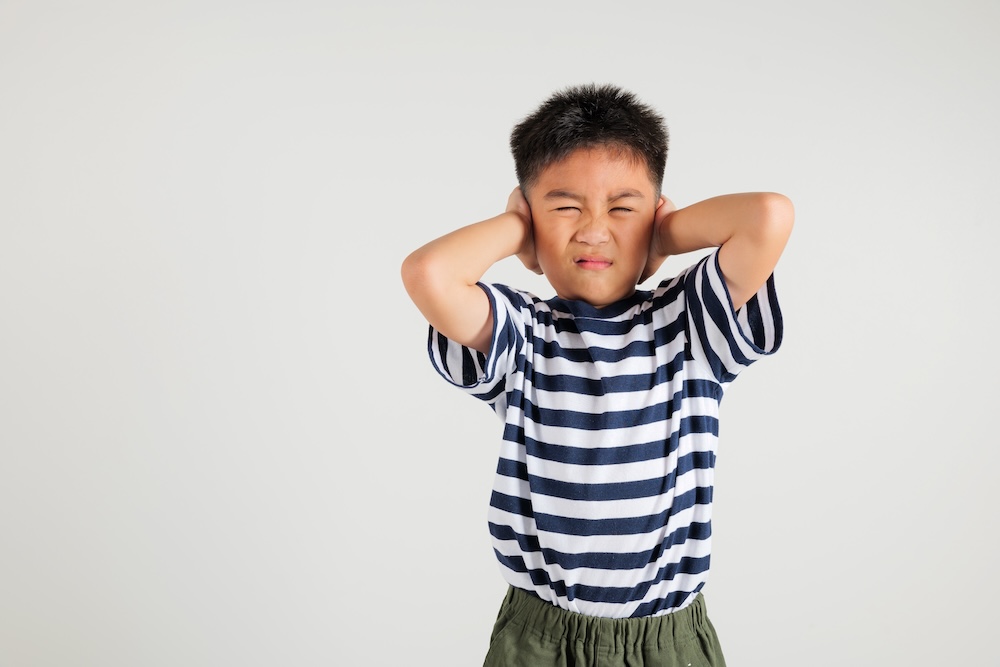
In today’s world, there are so many sources of loud noise exposure, such as high TV volumes, video games, loud music, buzzing toys, construction sites, and fireworks, to name a few. Excessive noise is detrimental to hearing, but kids are among the most vulnerable to prolonged noise exposure. Children’s ears are still developing, and their ear canals are smaller, which means sound waves become more concentrated. Exposure to loud sounds, especially for a long period, can cause permanent hearing loss or damage, even if the child doesn’t show symptoms immediately.

The risks can also go beyond hearing loss. Loud noise can increase stress levels, raise blood pressure, cause sleep disruptions, interfere with learning, and lead to behavioral issues. Additionally, when your child is exposed to loud sounds during the critical period of their development, their ability to develop speech and language skills, like reading and listening, can be hindered. Long-term noise exposure into adulthood can even increase the risk of a heart attack. Children with autism or special sensitivities are more likely to be disturbed by loud noise. 

To keep your children safe from loud sounds, it’s important to be aware of acceptable noise levels for kids. According to the American Academy of Pediatrics, noises at or above 85 decibels (about the level of a hairdryer or a food processor) can start causing hearing damage after prolonged exposure. Stay alert for warning signs of hearing trouble, as children may not always recognize or express hearing issues. Warning signs include complaints of muffled sounds, constantly asking people to repeat what they said, turning up the volume of hearing devices higher than usual, or struggling with speech and concentration. If your child expresses that they’re hearing a ringing or buzzing sound in their ears, that could be a sign of tinnitus, which is associated with many forms of hearing loss.

Noise is part of everyday life. However, there are many things parents can do to prevent hearing damage and other harmful effects from prolonged noise exposure. Setting volume limits is essential. Teach your child to keep the volume at half or less when using headphones or devices. Many phones and tablets have volume-limiting settings built in. Create rules about the appropriate maximum volume to watch TV and play music, and make sure the whole family follows them. Whenever possible, avoid running any loud appliances or the dishwasher close to and during bedtime. When it comes to picking out toys with sounds, choose ones that let you control the volume or aren’t too loud. It’s also important to take noise breaks to give your child time for their ears to recover from background noise or noisy environments. You might want to set quiet zones in your home where there is minimal noise and your child can play, rest, or read. At loud events like concerts, sports games, or fireworks shows, give your child earplugs or earmuffs. Children with autism or ADHD can benefit from noise-canceling headphones. 

For babies, you might consider using infant sleep machines that emit white noise to drown out environmental noise. However, some of these can also produce hazardous noise levels. If you choose to use them, only use them for a short period and keep them as far from your baby’s head as possible. 

 If you notice any signs of hearing loss or damage, call our pediatrician to schedule a hearing checkup.
Protecting Children from Winter Injuries

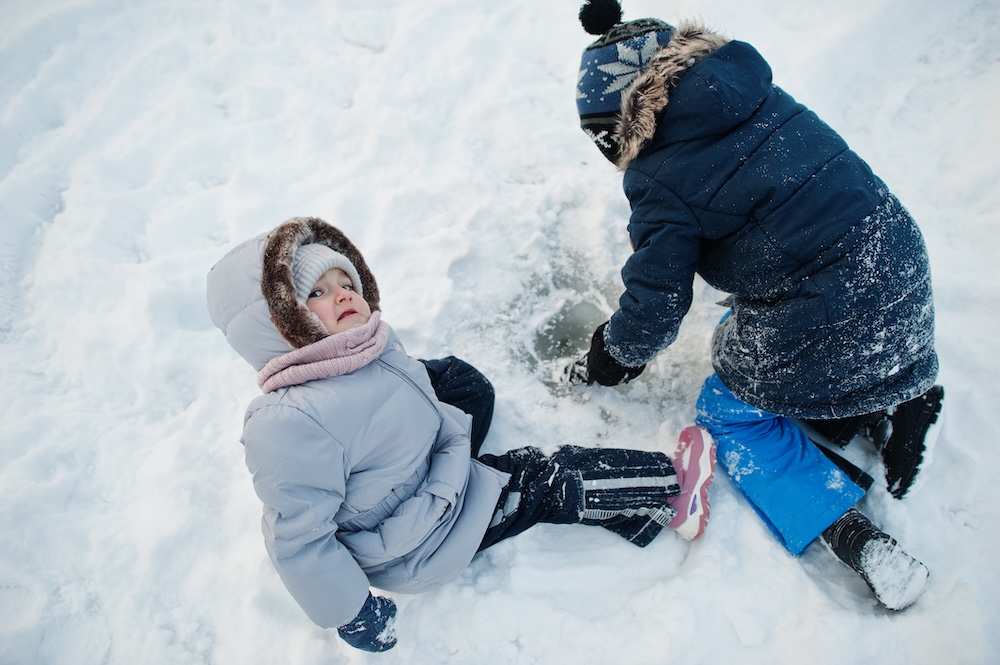
Despite the cold, many children find the winter season exciting, especially when they get to play in the snow. Snowball fights, making snow angels, and building snowmen are activities that bring joy to kids. Some also enjoy winter sports like ice skating, sledding, skiing, or snowboarding. While winter activities can be fun and beneficial for children’s health, they can also cause injuries if proper precautions are not taken. It’s important for families to be aware of the common types of winter injuries and how to prevent them.


One major risk is exposure to cold temperatures, which can lead to frostbite and hypothermia. Frostbite occurs when the skin and sometimes the tissue below, freezes. The most susceptible parts of the body to frostbite are the fingers, toes, ears, and nose. Hypothermia occurs when the body’s temperature drops below normal, which can be life-threatening. To prevent both, make sure your child does not spend a long time outside in the cold, especially if the temperatures are freezing or there are windy conditions. It’s also important that your child dresses warmly, with layers, hats, gloves, and warm socks. 


If your child gets frostbite, bring them indoors immediately. Avoid rubbing the affected area or placing anything hot on the skin. Instead, place the frostbitten areas in warm water for 20 to 30 minutes or use a warm washcloth. If the pain or numbness doesn’t go away after several minutes, call the pediatrician.  Hypothermia, on the other hand, is a medical emergency. If you suspect that your child has hypothermia, call 911 right away and bring your child indoors. Remove any wet clothing and replace them with warm clothes, or wrap your child in a blanket. If they’re not breathing or their pulse is weak, perform CPR.


Winter sports like ice skating, sledding, skiing, and snowboarding can cause injuries if safety guidelines are not followed. Children should only go ice skating on approved surfaces and never alone. Advise your child to skate in one direction and encourage them to wear protective gear like a helmet, knee pads, and elbow pads. For kids who enjoy sledding, it’s essential that they do so properly – always feet first or sitting up and never lying down. Only steerable sleds that are structurally sound, free of sharp edges and splinters, and have a well-lubricated steering mechanism should be used. Children should avoid crowded areas and sled on slopes that are free of obstructions like trees. The slope should also not be too steep or have an incline that is more than 30 degrees. 


For skiing and snowboarding, kids should be properly trained by a qualified instructor and be supervised by an adult. Wearing a helmet is important to protect the head from potential injury. It is also recommended to wear goggles for eye protection. As with sledding, don’t let your child ski or snowboard down steep slopes or slopes that are too icy. 


In general, when it’s snowing or icy, kids need to be extra careful outside, as slippery surfaces can lead to falls. Wearing proper footwear with adequate traction can prevent slips. If your child does fall and experience a sprain or bruise, we suggest using the R.I.C.E. method (Rest, Ice, Compression, and Elevation) to reduce swelling and pain. Keep the injured area rested without bearing any weight on it. Apply an ice pack to the area for 20-minute sessions several times. Additionally, wrap the area with a bandage and keep it elevated to promote drainage.


If your child has a serious injury, such as a fracture or concussion, please call our office. We hope your family stays safe and enjoys the rest of the winter season!


Substance Abuse Prevention in Kids

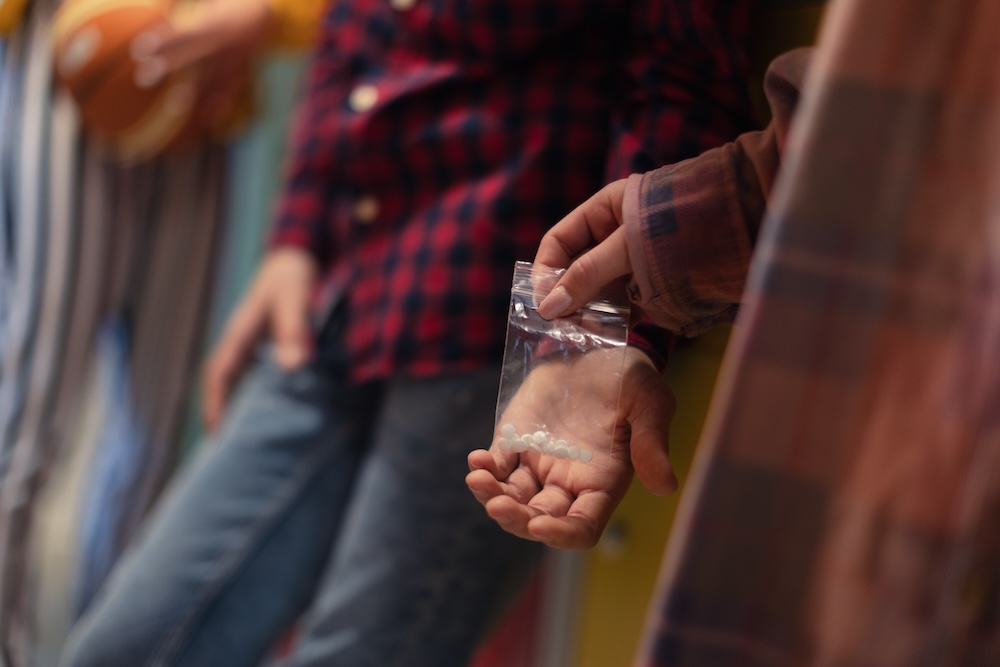
Substance abuse can be a challenging topic for parents, but it’s important to talk to your kids about drugs and alcohol to prevent harmful consequences for their health and safety. As kids navigate their adolescent years and are looking to explore new things, peer pressure, curiosity, and stress can lead them to experiment with drugs and alcohol. As a parent, understanding the risks, having open communication, and taking preventive steps can make all the difference.

Kids turn to drugs and alcohol for various reasons, including stress and anxiety, which could result from academic pressures, conflicts with family or friends, and other life challenges. Peer pressure and watching friends use drugs and alcohol can also encourage them. Other contributing factors are curiosity and seeing drugs and alcohol glamorized in movies, TV shows, social media, and music. 

Research shows that establishing clear boundaries and providing parental support reduces the risk of teens turning to substance use. Start by creating a safe environment that encourages your teen to discuss their struggles and issues. This will give you the opportunity to provide them guidance on developing healthy coping mechanisms to handle stress and regulate their emotions. By showing compassion and understanding, you can help make your child feel they have an adult to turn to for support. While it’s essential to regularly talk to your kids about substance use, you’ll want to avoid lectures and instead have an open conversation with your kids that allows them to share their thoughts. Be clear, however, of your expectations and set boundaries for their health and safety. 

Kids are more likely to follow your guidance if you emphasize the risks and dangers of substance use. Many teens believe marijuana is harmless, especially as it’s becoming legal in more states. However, marijuana can impair memory, judgment, and motor skills. The risk is higher in children and adolescents as their brains are developing. Edible marijuana products are even more dangerous since their effects can take longer to appear and lead to users consuming more than they may have intended. A high dose of marijuana can cause severe intoxication, panic attacks, and hospitalization. 

Additionally, smoking tobacco can damage the lungs and increase the risk of cancer, gum disease, and tooth decay. Alcohol is also dangerous for kids and teens whose brains are not fully developed yet. It can cause memory issues and risky behaviors and lead to long-term problems such as liver damage, heart disease, and potentially cancer. Make sure your kids understand the consequences of using these substances so that they can make healthy choices. 

Help your teens resist peer pressure by instilling self-confidence in them and empowering them to say no. Teach them firm ways of expressing disinterest and share strategies for redirecting the conversation. For example, they could say, “No, I don’t drink,” and then change the subject. 

If you suspect or discover that your child is using drugs or alcohol or smoking tobacco, it’s important to approach the situation with concern instead of anger. Start the conversation in a non-judgmental way to understand why they’re using substances. You can then work with them to develop solutions to get them to stop their use. In some cases, professional intervention might be necessary, especially if your child has an addiction or a substance abuse problem. An effective drug treatment program will have a psychiatrist or a clinical psychologist with expertise in associated medical, emotional, or behavioral issues, family therapy services, peer support groups guided by a professional facilitator, and an abstinence-only policy. If the center treats both minors and adults, the adolescent unit should be kept separate.  

For further guidance on choosing the right drug treatment program or any concerns related to substance abuse, please call our office. Our pediatrician is here to help your family and provide the resources you need.