

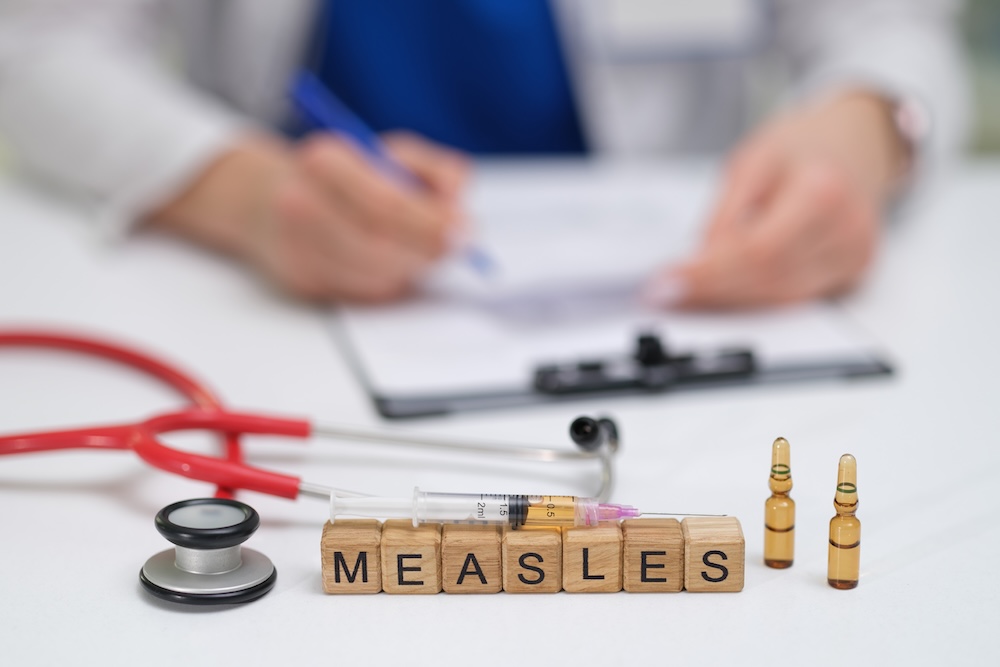
Measles Outbreak: What Parents Need to Know

The recent measles outbreak is causing many parents to feel concerned. Measles is a highly contagious viral infection that can cause serious complications, especially in young children.As cases are currently on the rise, it’s important for families to understand the symptoms, how to prevent measles, and what to do if their child is exposed. In this blog, we provide essential information about measles and how to best protect your children 

Measles is caused by a virus that spreads easily through coughing, sneezing, or direct contact with an infected person. It can also travel along air currents and infect people in a different room. The virus can linger in the air and on surfaces for up to two hours as well. Even brief exposure is risky, and those who have conditions that cause a weaker immune system are at greater risk of infection. If someone has become infected with measles, they are contagious even before they start experiencing symptoms and can be contagious for up to 4 days after they get a rash. Symptoms may begin to appear 8-12 days after exposure. The most common symptoms include a high fever, rash, runny nose, red, watery eyes, diarrhea, and ear infection. Some kids might have small white spots (also known as Koplik spots) that appear inside the mouth. Children with measles can feel very ill,and the rash can last longer than a week.

Measles is considered a dangerous disease because it can lead to severe illness especially in those with weakened immune systems, such as babies, children, and those who are pregnant. Other potential complications include hearing loss from ear infections, pneumonia, and brain swelling that can cause seizures or brain damage.  

Some families might wonder if vitamin A can prevent or cure measles. While getting enough vitamin A can help reduce the severity of the disease, it is not a preventative method. During a measles infection, however, the virus can cause a vitamin A deficiency. Therefore, if a child is diagnosed with measles, the pediatrician may recommend two doses of vitamin A, 24 hours apart and for a total of two days. It’s important to keep in mind that vitamin A should not be used to prevent measles and that giving your child too much vitamin A can cause nausea, vomiting, headaches, fatigue, joint and bone pain, blurry vision, skin and hair problems, high pressure in the skull, liver damage, and even a coma. Most kids get vitamin A from a healthy diet, and babies get the vitamin from breast milk or formula. If you believe your child needs a supplement, talk to the pediatrician first.  

The best way to protect your children from measles is to get them vaccinated with the MMR vaccine. Children should receive the first dose when they are 12-15 months old and the second dose when they are 4-6 years old. Children who are at higher risk may need three doses. The MMR vaccine can provide lifelong immunity to measles and can help prevent the spread of the disease. It is also safe, and contrary to some beliefs, it does not cause autism. Occasional side effects can occur, like a fever, skin tenderness, or a rash. Babies under the age of one should have limited exposure to crowded areas whenever possible, especially during an outbreak. They should also be kept away from any sick individuals. 

If you think your child has been exposed to measles, contact our pediatrician right away. To schedule your child’s vaccination, please call our office.
Protecting Children from Winter Injuries

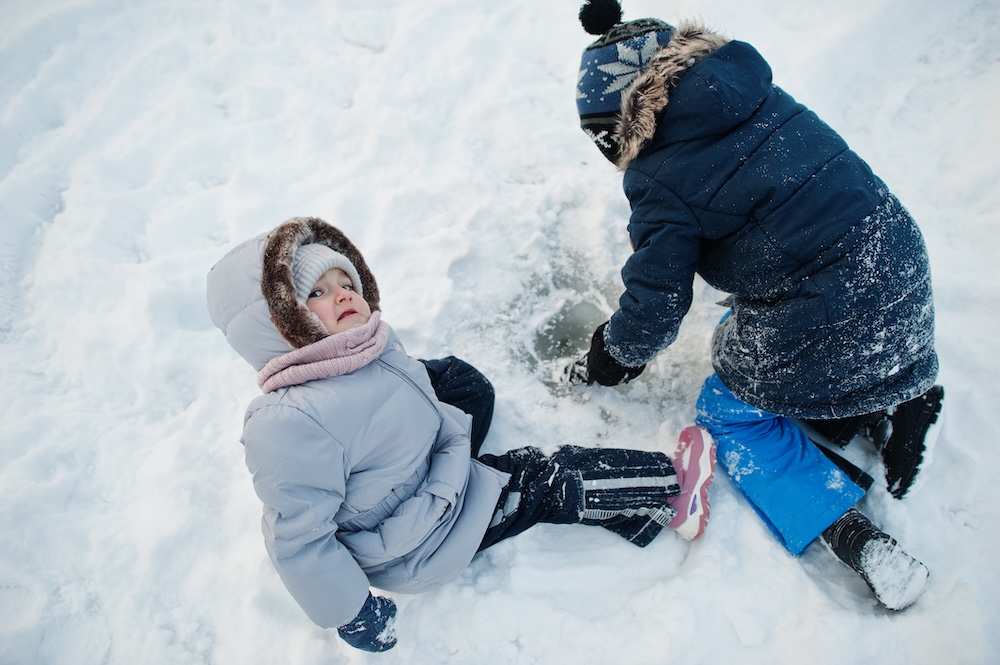
Despite the cold, many children find the winter season exciting, especially when they get to play in the snow. Snowball fights, making snow angels, and building snowmen are activities that bring joy to kids. Some also enjoy winter sports like ice skating, sledding, skiing, or snowboarding. While winter activities can be fun and beneficial for children’s health, they can also cause injuries if proper precautions are not taken. It’s important for families to be aware of the common types of winter injuries and how to prevent them.


One major risk is exposure to cold temperatures, which can lead to frostbite and hypothermia. Frostbite occurs when the skin and sometimes the tissue below, freezes. The most susceptible parts of the body to frostbite are the fingers, toes, ears, and nose. Hypothermia occurs when the body’s temperature drops below normal, which can be life-threatening. To prevent both, make sure your child does not spend a long time outside in the cold, especially if the temperatures are freezing or there are windy conditions. It’s also important that your child dresses warmly, with layers, hats, gloves, and warm socks. 


If your child gets frostbite, bring them indoors immediately. Avoid rubbing the affected area or placing anything hot on the skin. Instead, place the frostbitten areas in warm water for 20 to 30 minutes or use a warm washcloth. If the pain or numbness doesn’t go away after several minutes, call the pediatrician.  Hypothermia, on the other hand, is a medical emergency. If you suspect that your child has hypothermia, call 911 right away and bring your child indoors. Remove any wet clothing and replace them with warm clothes, or wrap your child in a blanket. If they’re not breathing or their pulse is weak, perform CPR.


Winter sports like ice skating, sledding, skiing, and snowboarding can cause injuries if safety guidelines are not followed. Children should only go ice skating on approved surfaces and never alone. Advise your child to skate in one direction and encourage them to wear protective gear like a helmet, knee pads, and elbow pads. For kids who enjoy sledding, it’s essential that they do so properly – always feet first or sitting up and never lying down. Only steerable sleds that are structurally sound, free of sharp edges and splinters, and have a well-lubricated steering mechanism should be used. Children should avoid crowded areas and sled on slopes that are free of obstructions like trees. The slope should also not be too steep or have an incline that is more than 30 degrees. 


For skiing and snowboarding, kids should be properly trained by a qualified instructor and be supervised by an adult. Wearing a helmet is important to protect the head from potential injury. It is also recommended to wear goggles for eye protection. As with sledding, don’t let your child ski or snowboard down steep slopes or slopes that are too icy. 


In general, when it’s snowing or icy, kids need to be extra careful outside, as slippery surfaces can lead to falls. Wearing proper footwear with adequate traction can prevent slips. If your child does fall and experience a sprain or bruise, we suggest using the R.I.C.E. method (Rest, Ice, Compression, and Elevation) to reduce swelling and pain. Keep the injured area rested without bearing any weight on it. Apply an ice pack to the area for 20-minute sessions several times. Additionally, wrap the area with a bandage and keep it elevated to promote drainage.


If your child has a serious injury, such as a fracture or concussion, please call our office. We hope your family stays safe and enjoys the rest of the winter season!


Bedwetting in Children

Most children between the ages of 2 and 4 are potty-trained, but some still wet the bed at night even after the age of 5. Bedwetting is not a serious condition, but it can be a challenge for many families. One of the common reasons for why bedwetting happens in older children is a communication issue between the brain and the bladder. When the bladder signals to the brain that it is filled with urine and the brain doesn’t send a response to the bladder to hold the urine until morning, bedwetting occurs. 

Sometimes there is a delay in the development of the bladder or kidney during nighttime that causes bedwetting. There may be less space in the bladder at night or the kidney might make more urine at night. Other common reasons for bedwetting are stress or trauma and medical problems that a child might have. Some children might be more at risk for bedwetting due to genetics, a deep sleep pattern or poor sleep quality (common during the adolescent years or puberty), obstructive sleep apnea or snoring, constipation, bladder or kidney disease, neurologic disease, diabetes, ADHD, or taking certain medications. 

For young children who are wetting the bed, you can continue potty-training them until they grow out of this. They may still have occasional bedwetting accidents after being trained, but these are usually of no concern. If it happens frequently, however, you may want to look into the issue more closely. One solution that could help is to set a bedwetting alarm during the night for your child to wake up to use the bathroom. There are also certain medicines that can help, but we recommend talking to the pediatrician before using any of them.  

Another important tip to follow is to limit your child’s intake of food and drinks with caffeine or sugar in the evening. Salty snacks in particular should be avoided close to bedtime. Going to the bathroom within 2 hours of bedtime and regularly throughout the day can help. If your child is attending a sleepover or an overnight camp, you may want to consider providing them with disposable underwear with boxer shorts. 

Bedwetting can affect your child’s emotional well-being and self-esteem, and cause them to feel too embarrassed to have sleepovers or struggle with staying focused in school. It is therefore important to stay positive and patient during the process. If one treatment isn’t working, do not give up. It often takes a combination of different methods and it can also take some time to resolve the problem. Never blame your child or punish them for bedwetting as it is not their fault. Make sure to remain sensitive to their feelings and remind them that they will outgrow this. It’s also important to not allow teasing from anyone in the family, including your other children.  

If bedwetting is an ongoing problem in your home, you can schedule an appointment with the pediatrician who will take a complete medical history and inquire about urinary symptoms your child might have. These include the urge to urinate frequently or pain during urination. Your pediatrician will also want to gather information about your child’s sleep pattern, how often they have bowel movement, and any potential stressful events in your child’s life. A urine test along with a complete physical exam is often performed. 

For help and guidance with bedwetting and finding the right solutions, please call our office.