

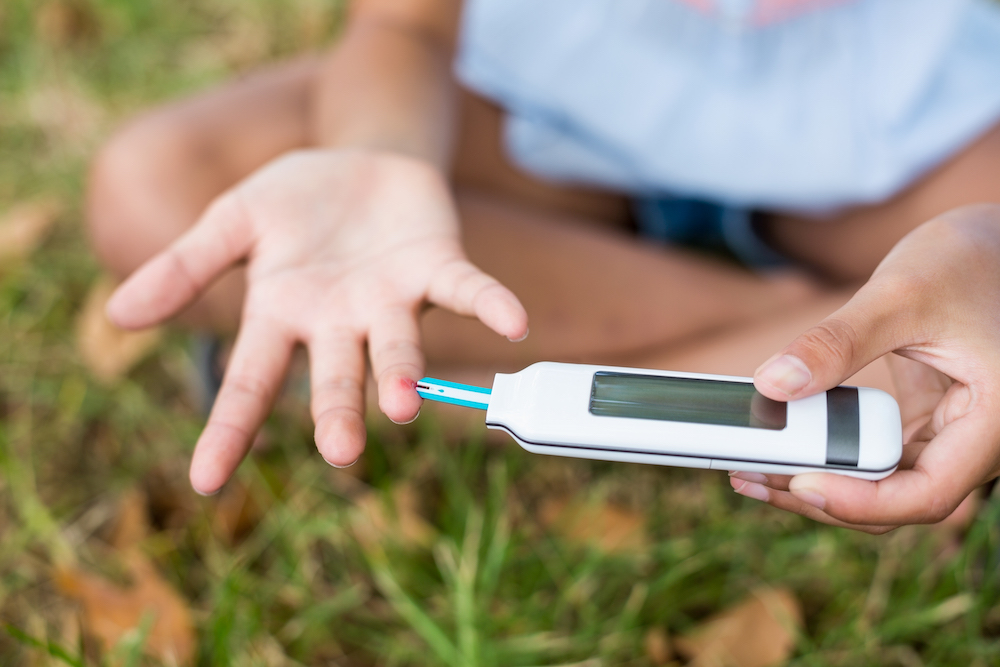
Diabetes in Children

Diabetes is a chronic medical condition that causes problems with the body’s ability to convert food into fuel for the body. It is diagnosed by a blood test that checks the glucose levels, as well as by checking ketones in the urine. There are two types of diabetes: Type 1 and Type 2. Type 1 is when the body does not produce enough insulin to move the sugar in the bloodstream into the cells to use for energy. As a result, sugar builds up in the bloodstream. Type 2 is when the pancreas makes less insulin than it used to and the body becomes resistant to the hormone. Therefore, the cells do not use glucose which then builds up in the blood. When diabetes is left unmanaged, the high glucose levels in the blood can damage the heart, blood vessels, kidneys, eyes, and nervous system over many years.

Most children with diabetes have Type 1, which can be caused by an autoimmune reaction where the immune system attacks its beta cells, leading to the inability to produce insulin. Type 2 diabetes is less common among children, though in recent years, the rate has gone up with the increase in childhood obesity. Obesity and unhealthy diets are risk factors and Type 2 diabetes can be prevented by following good health habits. 

Symptoms of diabetes include increased hunger and thirst, fatigue, irritability, blurry vision, darkened areas of the skin, increased urination, numbness or tingling in the hands and feet, dry skin, and weight loss. If you notice any of these symptoms in your child, it’s important that you call our office to talk to our pediatrician. Your child may need to take a glucose test to see if they have the condition. If they are diagnosed, there are several treatments to control the disease so that your child can continue to lead a normal life. 

To help keep the blood sugar in the normal range, it’s important to monitor the glucose levels on a regular schedule. Insulin as a shot or oral medicine may be prescribed to your child to control their blood sugar. Children should take these as instructed. Taking too much insulin can cause hypoglycemia (which is when the blood sugar is too low) and not taking enough can cause the blood sugar to remain high.   

Children should also follow a well-balanced and healthy diet and doing so can lower the risk of diabetes. If your child has diabetes, you can talk to our pediatrician about creating a meal plan to help manage their condition. Generally, though, kids should eat at least 5 servings of fruits and vegetables each day, high-fiber food, whole grains, lean protein, and healthy fats like nuts and avocados. Foods with saturated fat, added sugar, and refined carbohydrates should be kept to a minimum. It’s also essential to avoid sugary beverages like juice and soda. Instead, kids should drink plain water or milk. We recommend paying close attention to nutrition food labels to check serving sizes and what the products contain, as well as their daily percentage values. For more information about how to follow nutrition food labels, check out this resource here. 

In addition to following a healthy diet, children should regularly exercise and get at least one hour of moderate to vigorous physical activity each day. Exercising lowers blood sugar and helps manage weight. To encourage your child to get adequate exercise, engage them in physical activities that they find fun, such as sports, swimming, bike riding, or dance.  

If you have any questions or concerns about managing your child’s diabetes, call our office. We are here to provide treatment information and resources for your family.
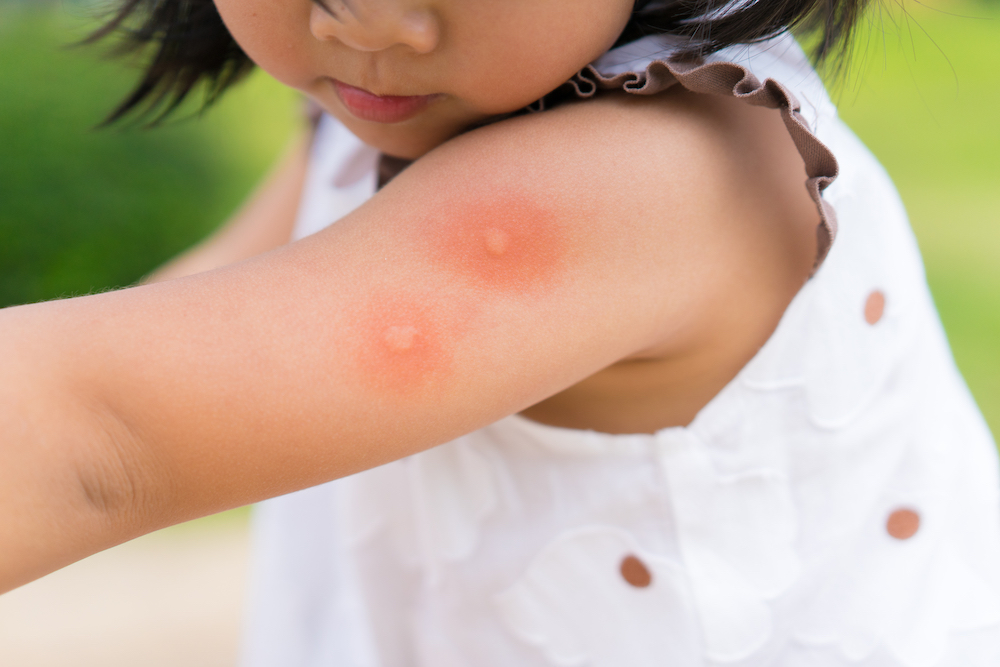
Insect Bites Prevention

Mosquitoes, biting flies, and ticks can make kids (and adults) miserable! Insect bites happen more commonly during the summer, especially from mosquitoes. They can cause a great deal of discomfort, irritation, and even pain. In a few cases, they can also cause serious illness, like Lyme disease which is transmitted from ticks. We know bug bites are annoying! So we have some tips for you to follow to ensure a comfortable and safe summer for you and your kids.

One of the best ways to protect your children is to use an insect repellent that has been registered by the Environmental Protection Agency (EPA). We recommend checking out this search tool to find the right one for your family. Note that the most effective repellents contain DEET. The higher the concentration of DEET is, the longer protection it will provide. 10% DEET provides about 2 hours of protection and 30% provides about 5 hours of protection. Choose the lowest concentration that will be effective based on the amount of time your child will be outside. If you know you will be out for an hour, for an example, choose a product with 10% DEET. Increase the DEET percentage if spending a longer time outside.

Bug sprays that have more than 30% DEET do not provide longer protection, however, and greater than 30% DEET is not recommended to be used on children. It is also helpful to use sprays that contain picaridin which is particularly effective for repelling mosquitoes. Using a concentration of 20% can protect your family for 8 to 12 hours. Premethrin-containing products are most effective against ticks. But, it’s important to know that they should NOT be applied to skin directly but to clothing instead.

Insect repellents only protect against biting insects and not stinging ones such as bees, wasps and hornets. They should be applied only on exposed skin (not under clothing) and to the outside of your child’s clothing. Using more of the product does not make the repellent more effective. Another thing to be aware of when it comes to insect repellents is to avoid products that are combined with sunscreen. These products can overexpose your child to DEET as sunscreen needs to be reapplied every 2 hours.

We always advise following the directions carefully on the repellent products and read any warnings. Never apply insect repellent to a child younger than 2 months of age. Be extra cautious and conservative with the amount you use for children under 2 years old. It is best to apply the repellent on young children until they’re old enough to do it on their own. And even for older children, it is recommended that they are supervised.

When applying the repellent to your child’s face, do not spray directly as it can get into their eyes or mouth. Instead, spray it on your hand and then rub the product on their face. Make sure to avoid the eyes and mouth, as well as any cuts or wounds since the spray can cause them to sting. Wash your child’s skin with soap and water to remove any repellent when they return indoors, and clean their clothes before they wear them again. If your child develops any negative reaction to the spray, discontinue use immediately and wash their skin with soap and water. Call Poison Help at 1-800-222-1222 for assistance if and when needed.

Aside from repellents, dressing your children in lightweight clothes that cover most of the skin and hats can also keep them safe from insects. To protect babies, consider putting a mosquito net over their stroller whenever you are in areas where there are a lot of mosquitoes. Encourage your children to stay away from garbage cans, stagnant pools of water, or flower beds as insects often congregate there. You’ll also want to keep the door and window screens in good repair and avoid the use of scented perfumes, lotions, etc. on your child as these can attract insects.

If your child gets a bite from a tick and the tick stays attached to the skin, it is important to remove the tick immediately. You can do so with a pair of tweezers. Hold the tweezers sideways to the skin and grasp the tick to pull it upwards. After the tick is removed, wash the wound with soap and water. You can then apply an over-the-counter antibiotic ointment. Check your child’s skin at the end of each day if you live in an area where ticks are present and your child has been playing outdoors. If your child experiences a rash or fever from a tick bite or any other insect bite, call our office right away.

MYTHS!

The following types of products are not effective for repelling insects: wristbands soaked in chemical repellents, garlic or Vitamin B taken by mouth, ultrasonic devices that give off sounds waves and designed to keep insects away, bird or bat houses, and backyard bug zappers (insects may actually be attracted to your yard!).

Car Sickness

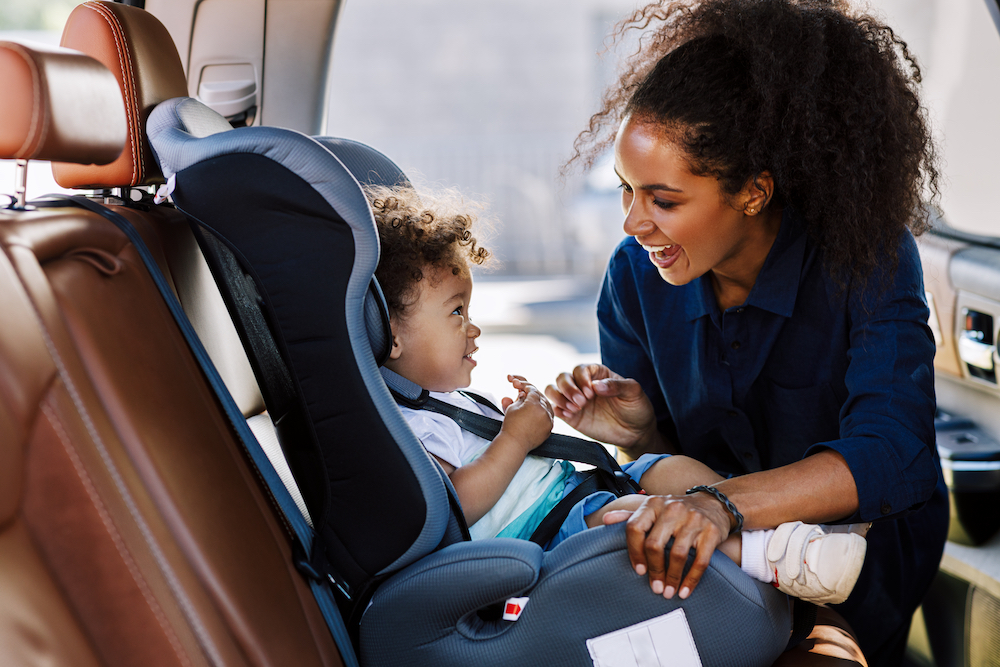
Summer is almost here and you might have travel plans with the family. But if your child has motion sickness, that can make your trip challenging! Motion sickness happens when the brain receives conflicting signals from the motion-sensing parts. For an example, your child may be sitting in the backseat of a car and cannot see the outside, but their ears can sense the motion of the moving car. This kind of inconsistent messaging results in confusion for the brain and can activate a response that causes sickness. 

Signs and symptoms of motion sickness include stomach queasiness, cold sweats, fatigue, and loss of appetite. In some cases, your child might vomit. Most children under age 2 don’t experience car sickness, but children between ages 3 and 12 are the most susceptible.

Car sickness doesn’t mean all of your travel plans need to be cancelled. If your child gets sick, the best thing to do is to take frequent breaks during the trip. When the car stops moving, the sickness goes away. Allow your child to walk around for a bit before resuming your trip. What can also help is giving your child a light snack before your travel since hunger can worsen symptoms. It’s good for them to eat something within three hours before traveling. While in the car, playing music or engaging in conversations can distract them from feeling ill. You can also encourage them to look at things outside of the car instead of reading a book, playing electronic games, or watching something on a screen device. Providing adequate air ventilation can also prevent sickness. 

If you try all of the above methods and your child still gets motion sickness, stop the car and have your child lie on their back for a few minutes with their eyes closed. Place a cool towel on their forehead for relief. You may want to consider giving them medication. But, it’s important to know that while the medication may help, it can also cause side effects like drowsiness, dry mouth and nose, or blurred vision. Although some of these medications for motion sickness don’t require prescription, we advise you to first talk to our pediatrician before administering anything. Furthermore, if you notice your child experiencing symptoms of motion sickness during non-movement activities, especially if the symptoms include headaches and difficulty seeing, hearing, walking, or talking, it’s important to contact our doctor. These symptoms could be the result of something else. 

Car sickness doesn’t always last forever. The more your child travels in the car, the more they will get used to the motion. If you have any questions or concerns, please contact our office.