

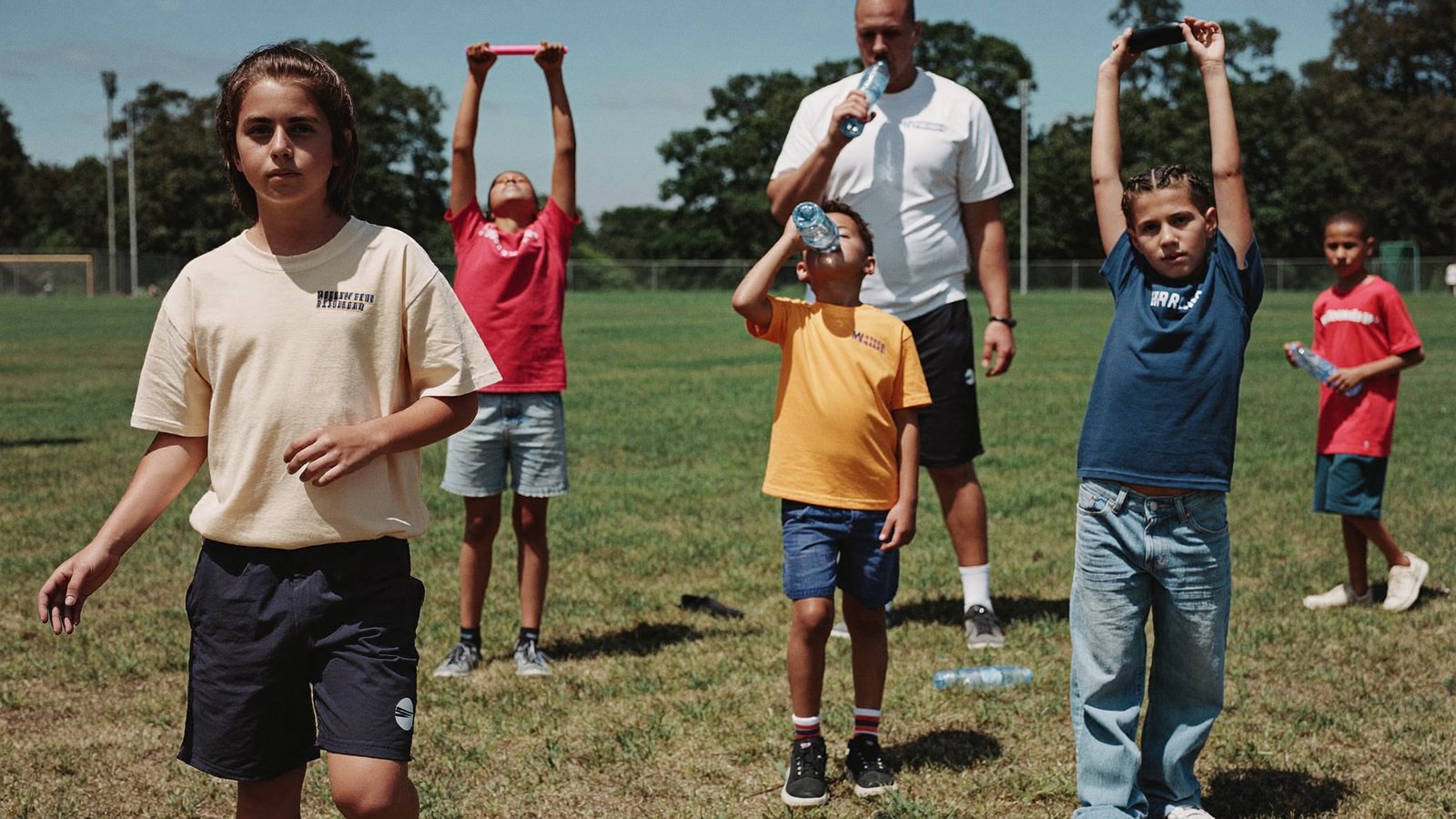
Sports can be a wonderful part of childhood and adolescence. They give kids opportunities to exercise, develop athletic skills, make friends, and learn teamwork. Whether your child is joining a school team or participating in a recreational league, staying healthy throughout the season requires more than showing up for practices. Sports physicals, injury prevention, proper nutrition and hydration, adequate recovery, and safe training all play a role.
Quick answer: Keeping young athletes healthy starts with a sports physical 6 to 8 weeks before the season, ideally with their regular pediatrician. Add gradual training, rest, balanced nutrition, hydration, properly fitted gear, and caution with supplements. Rockaway families can call us to schedule a well visit and sports physical.
When should my child get a sports physical?
Before a new sports season begins, schedule your child’s sports physical as part of their regular well-check visit at least 6 to 8 weeks before the season. This gives you time to follow up on any concerns before practices or competitions begin. Make sure to provide your pediatrician with an accurate health history, including any information you have about your family’s heart health. Your pediatrician can evaluate factors that may affect your child’s ability to participate safely, including heart health, previous injuries or concussions, nutrition, and mental health. Whenever possible, it’s best to have the evaluation performed by your child’s regular pediatrician instead of relying on an urgent care clinic or mass sports physical. Your pediatrician already knows your child’s medical history and can consider their overall health and development.
How can I reduce the risk of sports injuries?
Some injuries occur suddenly, but others develop gradually. Overuse injuries happen when repetitive activity continually stresses muscles, bones, tendons, or ligaments without giving the body enough time to recover. Growing athletes can be particularly vulnerable. Instead of specializing in one sport too early, encourage your kids to try a variety of age-appropriate activities. The American Academy of Pediatrics (AAP) recommends limiting training or competition to 5 to 6 days per week and taking 2 to 3 months away from a specific sport each year. Additionally, it’s important that training intensity increases gradually. Young athletes also need sufficient sleep, nutritious food, and recovery time. If your child experiences persistent pain during or after activity, don’t encourage them to push through it. Pain may be an early warning of an injury that requires attention.
What should young athletes eat and drink?
Adequate nutrition gives kids the energy they need for activity and supports recovery. Athletes may require additional calories and fluids depending on how much they’re exercising. Encourage three balanced meals each day with snacks in between and make sure your child eats before and after physical activity. A young athlete’s diet should include carbohydrates for energy, protein to support the body, and healthy fats, along with essential vitamins, minerals, and fiber. Foods such as whole grains, fruits, vegetables, beans, tofu and other soy foods, nuts, seeds, fish, lean meats, eggs, dairy products, avocados, and olive oil can all contribute important nutrients. Iron and calcium are especially essential for athletes. If you’re concerned that your child isn’t getting the nutrition they need, talk with your pediatrician before adding supplements. Hydration is also crucial. Kids should drink water before, during, and after sports and take regular water breaks during vigorous activity, especially in hot weather.
What equipment and technique do young athletes need?
It’s important that your child’s protective gear is appropriate for their sport and fits correctly. Depending on the activity, this might include a helmet, mouth guard, pads, protective eyewear, face protection, or a protective cup. But remember that equipment alone can’t prevent every injury. Children also need to follow the rules, learn proper techniques, strengthen their muscles, stretch to support flexibility, and take breaks during practices and games. If pain develops while your child is exercising, they should stop the activity. Tenderness directly over a bone in a growing athlete should be evaluated by a healthcare provider even when there isn’t significant swelling or difficulty with movement.
Are performance-enhancing products safe for kids?
Young athletes may encounter ads, social media posts, or teammates promoting supplements and substances that claim to increase strength, speed, or athletic performance. These products aren’t a replacement for proper nutrition and training, and some of them can be harmful. Help your child understand that good nutrition, appropriate training, and sufficient rest are what’s important for athletic performance. Talk with your pediatrician before your child takes any supplements or other performance-enhancing products. Finally, remember that sports should be a positive experience. Too much pressure to perform or win can create emotional stress. Praise your child’s effort and sportsmanship instead of focusing only on the final score.
Frequently asked questions
How early should I schedule a sports physical?
Schedule your child’s sports physical as part of their regular well-check visit at least 6 to 8 weeks before the season so there is time to follow up on any concerns.
What does the AAP recommend to prevent overuse injuries?
The American Academy of Pediatrics recommends limiting training or competition to 5 to 6 days per week and taking 2 to 3 months away from a specific sport each year.
Should my child push through pain during sports?
No. If your child experiences persistent pain during or after activity, don’t encourage them to push through it. Pain may be an early warning of an injury that requires attention.
Should my child take supplements to improve performance?
Talk with your pediatrician before your child takes any supplements or other performance-enhancing products. Good nutrition, appropriate training, and sufficient rest are what’s important for athletic performance.
If your child is participating in sports this year, please call or contact our office to schedule their well visit and sports physical. We can help make sure they’re healthy and ready for a safe season! Peninsula Pediatrics proudly cares for families across the Rockaways, including Rockaway Park, Belle Harbor, Neponsit, Rockaway Beach, Arverne, and Far Rockaway.