


Beach Safety Tips for Families

Going to the beach this summer? For many families, beach time is an exciting thing to look forward to during the summer season. But before you head out with the children for fun in the sun, sand, and water, we’d like to share important tips to keep your family safe.
One of the crucial things to do first before you arrive to the beach is to apply liberal amounts of sunscreen on your children’s skin to keep them protected from the sun’s harmful rays.

The most effective sunscreen to use is one with a sun protection factor (SPF) of at least 30 and a “broad-spectrum” label. As it takes time for sunscreen to absorb, make sure to apply it 15 to 30 minutes in advance. Sunscreen should be reapplied every 2 hours and after swimming or sweating.

To keep your children’s eyes safe from the sunlight, make sure they wear sunglasses with 99% UV protection. If you’re at the beach during the sun’s peak hours, bring an umbrella that you can anchor to the sand and use as a shade. Just keep in mind that sunscreen will still need to be applied as the umbrella does not provide enough UV protection.

Many kids love playing or swimming in the water when they go to the beach. But there are a lot of hazards and safety issues to consider, including drowning. Only allow your child to go in the water in areas where there are active lifeguards on duty. It’s also important that you keep your eyes on your children when they’re in or near water. If your children are young, an adult should accompany them in the water.

Children who lack swimming skills should wear life jackets, including while participating in any boating activity. Keep a look out for how high the waves are. If the currents are strong or if you have any doubts about your child’s safety in the water, do not let them go in.

Another water precaution to be aware of is that the ocean has marine life that can harm your child, including jellyfish. Lifeguards will often put up warnings in areas where jellyfish or other dangerous marine life are around. You can also scan the waters for them. If your child does get a sting by any chance, get them out of the water immediately and inform a lifeguard who can assist them. Avoid rubbing the area where your child was stung or using ice packs as these can make the sting worse. Instead, you’ll want to rinse the area with vinegar and have your child checked by the doctor. There are certain creams and pain relievers that can be used to make your child feel better.

A fun activity to do on the beach is to play in the sand or build sand castles. Just be careful not to let your kids dig holes that are too deep for them as they might fall and become at risk for suffocation. Advise your child on how to properly play and dig in the sand to prevent them from getting sand in their eyes.

Lastly, always monitor the weather as thunderstorms pose dangers on the beach. If you’re at the beach when a storm hits, find a building or shelter for your family immediately. If you have any questions or concerns about summer and beach safety, please call our office!

How to Handle Temper Tantrums in Children

Whether your child is going through their “terrible twos” or simply expressing their frustration through temper tantrums, it can be stressful to deal with as a parent. But knowing how to handle tantrums and outbursts from your child can make things easier for your family. Firstly, it’s important to understand why tantrums happen. Tantrums and meltdowns are triggered by certain emotions such as discomfort, overwhelm, or anger. Toddlers throw tantrums as a way to communicate how they feel because they do not have the words yet to articulate themselves. So instead, they might scream, cry, or throw things. 

During a tantrum, it’s important for you as a parent or caregiver to remain calm. Children are likely going to match your behavior and if you raise your voice, they are likely to yell and be even louder. Speaking to them calmly can help your child calm down and ease their temper. It might be tempting sometimes to give in to your child when they’re having a meltdown, but this only reinforces their behavior. Your child will learn that by throwing a tantrum, they can get what they want. What might be more effective instead is to offer them a small level of control. For example, say it’s time for your child to stop playing a game because they need to eat dinner and take their bath. If they get upset, firmly let them know that their time limit is up, but perhaps offer them a choice on whether to take their bath before or after dinner so that they can have some say in their situation. Another great strategy to use is to offer a distraction. Outbursts are usually triggered by a situation happening currently. Giving your child something else to focus on or even changing their environment by moving them to a different room can make a difference.     

Even though it might seem like a good idea in the moment, avoid trying to reason with your child during a tantrum or meltdown. Your child is upset and is not in a place where they’re ready to take a rational viewpoint. Wait until they’ve calmed down and get their behavior under control before discussing what happened. Once your child is calm, they’ll have an easier time learning how they can better communicate, work through their problems, and accept that they can’t always get their way.

To prevent your child from continuing to express themselves through outbursts, provide negative consequences for their behavior. This could be simply ignoring their tantrum until they’ve stopped so that your child learns that throwing a fit is not going to get your attention. You can also put them on a timeout or take certain privileges away from them so that they understand that tantrums will lead to undesired outcomes. And when your child is behaving well, make sure to give them praise to reinforce the positive behavior. Let your child know when you feel proud of them and how their behavior serves as an example on how to act. Pointing out good behaviors is just as important as pointing out negative behaviors. 

If none of these strategies work and you believe your child’s behavior is out of control or not improving, call our office. Certain behavioral issues may need to be examined and our pediatrician can provide guidance. 


Why Play is Important for Children

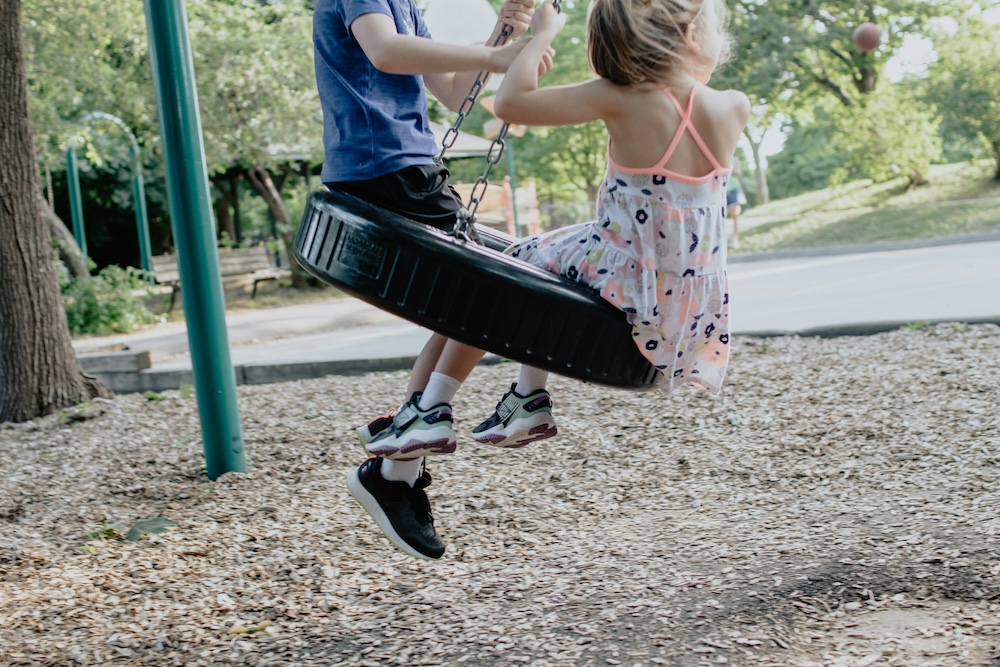
Kid loves playtime and feel joy while playing! But the benefits of play go beyond just having fun. Play teaches children important skills to help them develop and thrive. By playing, children learn planning, organization, creativity, how to build relationships with their peers, how to get along with others, and how to regulate their emotions. They also develop language, mathematical, reasoning, and problem-solving skills. Play can also help kids practice concentration and build longer attention spans.

The essential life skills developed by play evolve over time and as a parent or caregiver, you can promote healthy play habits in your children. Firstly, it’s important to keep a safe play environment and teach your child not to engage in any aggressive behavior. This can take some time to master as conflicts can rise between kids playing together. But, it’s an opportunity for your child to learn how to solve problems and cooperate with their peers. You can guide them by teaching them how to view things from others’ perspectives and practice empathy. As children begin to master these abilities, they also learn how to form friendships.

Play activities should be selected based on the child’s age. For infants, starting tummy time is beneficial as it strengthens their neck, back, and shoulder muscles and advances their sensory, visual, and motor development – all of which will be important for them when they learn how to crawl. There are many ways to engage in play with your baby such as movement activities like using puppets which help babies develop visual skills, and using rattle toys which can grow your child’s reflexes as they reach out to grab them. It also helps them explore sounds. 

During the toddler years, you can enhance your child’s understanding of shapes, colors, and textures by giving them toys like blocks and puzzles. As they get a little older, provide them with opportunities for make-believe play. For example, they can pretend to bake something in a toy kitchenette or play doctor with their dolls. Make-believe play introduces kids to life concepts, helps them explore multiple perspectives, and stimulates their imagination and creativity.

Be careful of not letting your child spend too much time using screen devices, including video games. Balance media use with activities like sports, board games, playing with toys, or engaging in make-believe and role-playing. It’s important for kids to get real-life interactions and to also get physical activity when they play sport games or other recreational hobbies.

Play is not only beneficial for children’s development in life skills and their physical health, but it also improves mental health. Play can reduce stress and anxiety as it releases the endorphins in the body, which boost mood. It can help your child get in touch with their feelings by providing an opportunity for kids to express their emotions when they might not have the words to explain. It’s why it’s often used as a practice in therapy. 

Encouraging your children to play will have a significant impact on their growth, development, and physical and mental health. It’s one of the best ways to ensure that your child grows up into healthy, happy, successful, and empathetic adults.