

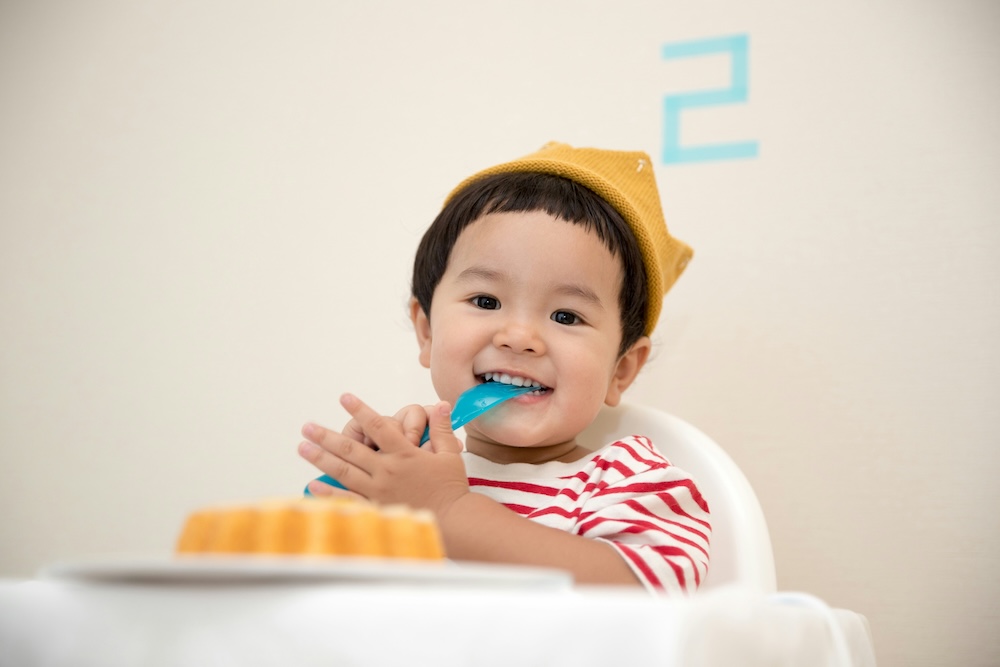
How to Help Picky Eaters

If your child is a picky eater, getting them to eat well-balanced meals and healthy foods can feel like an everyday battle! It’s especially common for toddlers and young children to be picky eaters. Children can develop food preferences from an early age and trying new things can cause mealtime conflicts. However, there are many strategies that can help kids break out of picky eating patterns. 

One tip that is always recommended is to eat together as a family as often as possible and with no distractions, such as using media devices or cell phones or watching television. When you eat together as a family, you have an opportunity to model healthy eating. Children are more likely to develop good eating habits when they see the rest of the family following them. At mealtime, it’s helpful to add at least one food your child likes. This will encourage them to eat their entire meal when they have something on their plate that they enjoy. We advise against offering food bribes, such as a treat or dessert if your child finishes their meal. While it is okay to let your child enjoy an occasional treat or dessert, making it part of a reward system for finishing their meal can turn eating healthy into an unpleasant chore rather than a normal routine.  

Making food fun can entice your kids to eat the foods you give them. Consider cutting foods into fun shapes or arranging them in creative ways so that they’re more exciting. Try adding flavors or mixing up the foods to make them tasty. For example, you might want to offer your child a fun dip to go along with their vegetables or add sauce, herbs, or spices to their meals. Sometimes changing the texture can help. For example, if your child doesn’t like eating raw carrots, you can try heating and mashing them. It might take some trial and error to see what flavors and textures your child prefers. The key is to be patient during the process and keep trying to add new foods as well as foods your child previously had an aversion to. It takes time for kids’ taste buds to evolve. 

When your child refuses to eat the food that you give them, avoid fighting them over it. Pressuring kids can make them more adamant about not eating or dislike the food even more. Substitute the food for something else that provides the same nutrients. For example, if your child hates radishes, try giving them Brussels sprouts instead. Another method that can be helpful is the food bridge method. This is using a food your child already likes as a bridge to introduce a new food. An example is if they like mashed potatoes, serve some with broccoli and cheese. Once they can accept that, you can then offer broccoli with cheese alone.  

Lastly, we recommend involving kids in the meal planning process. Let them have a say in some of the ingredients you use and the fruits and vegetables you pick out. Give them a menu of healthy options and make sure that the different food groups are included, i.e. grains, protein, complex carbohydrates, healthy fat, vegetables, etc.  

If you’re still struggling with picky eaters in your household and you’re concerned that your child is not getting enough nutrients, contact our office to speak to our pediatrician for the best course of action to take.  



Instilling Good Homework Habits in Kids

It’s back-to-school season and children will be adjusting to new routines, classrooms, and getting back into doing homework and studying for tests again. It’s common for kids to struggle with the transition from relaxing at home upon their return from school to completing their homework. But, instilling good homework habits in children from the start of the new school year can set them up for homework success for the entire year. We have tips to guide families on supporting their kids with their homework. 

If your child is showing resistance to doing their homework, it’s important to identify the cause of this resistance. Perhaps your child feels that their homework is too challenging or they have difficulty with concentration. In this case, it can be helpful to let them know that you are there to help. That doesn’t mean that you will be doing their homework for them, but you can certainly guide them and teach them skills for managing their work load. For example, some organization skills can come in handy such as creating a check list of all the homework items that need to be completed and breaking down the homework into small chunks to help with focusing on one task at a time. 

When your child is struggling with how to do their homework, you’ll want to teach them how to figure out the answers on their own rather than provide the answers for them. Guide them on where they can find the lesson in their textbook that will provide them the information they need to complete their homework or help them brainstorm ideas to get them started on an essay they may need to write. Ask them questions that can help them generate ideas or get them into the right thought process. Just knowing that you are there to support them can make their homework feel less daunting and motivate them to get it done. 

Some kids have problems with concentration and this is especially the case for children with ADHD or learning challenges. What can help improve focus is designating a homework space within the household that is quiet and free of distractions. Keep electronic devices like the TV, laptops, and smartphones away, with the exception of these devices being needed for their homework. Another tip for helping with concentration is encouraging your child to take breaks when they need to, especially if it’s hard for them to focus for a long period of time. Simple movement and physical activities like a short walk for five minutes can make a significant difference and free any tension your child might have around their homework. An energy-boosting snack can also be helpful, such as an apple or banana. 

If your child remains overwhelmed with doing their homework every day after school, remind them that it can take some time to develop their homework habits but it’s something that gets easier once they’ve built the discipline they need. Knowing that it won’t always be so difficult can boost your child’s confidence and motivation. If your child is still struggling with focus because of ADHD or another learning disability, know that we are here to help. Call our office to speak to our pediatrician who can provide your family with the right resources. 


Why Breakfast is So Important and How to Encourage Your Kids to Eat a Healthy Morning Meal

It’s often said that breakfast is the most important meal of the day and that is indeed true! Unfortunately, breakfast is skipped by many children, especially when they return to school. As kids will be adjusting to a new routine and perhaps getting up earlier for school than they did during the summer, they might not prioritize having their morning meal. But, breakfast is essential for providing the body with energy after a night of fasting. The benefits also include help in concentration, academic performance, the ability to perform physical activities such as sports, and maintaining a healthy weight. Additionally, breakfast boosts memory and brain function and lowers the risk of metabolic conditions like diabetes, stroke, and heart disease. 

Start the new school year with breakfast becoming a part of your child’s daily routine. If your child has a hard time getting up early enough and prefers to snooze in the morning, this is usually because they’re going to bed too late. Adolescents in particular have a challenge of waking up early as their circadian rhythm (the body’s internal clock) delays their sleep cycle. Thus, it’s important to encourage your kids to stick to an early bed time each night and avoid using electronic devices within an hour of their bed time. Electronic devices can keep kids awake at night, especially as the light from these devices have a stimulating effect. Have your child do something relaxing or engage in light exercise before going to bed as these can help put them to sleep.

Another tip for encouraging children to eat breakfast is to eat together as a family when possible. Kids are more likely to stick to a breakfast routine when the entire family does it together. It’s also an opportunity to serve as a role model for your children. Some families might be crunched for time in the morning, but there are ways to streamline the process. Prepare breakfast the night before so that you don’t have to be in a rush in the morning. You can also choose simple and quick to prepare breakfasts such as cereal, oatmeal, or grain toast with peanut butter, hummus, or avocado. 

On days that your kids do not wake up early for breakfast and are in a rush, give them a breakfast snack that they carry on the go or take with them on the bus. It is still better to eat something in the morning, even if it’s small, than nothing at all. Great snacks to eat on the go are energy bars, fruit and nuts, yogurt, or a whole grain bagel. It is always more ideal to eat breakfast at home together as a family, however, and it is also important to have a well-balanced morning meal that is high in protein, fiber, and essential vitamins and minerals. This will help sustain them for several hours until they have lunch in school. 

If your child has trouble with sleep or if you have any questions or concerns about their diet, contact our office to speak to our pediatrician.