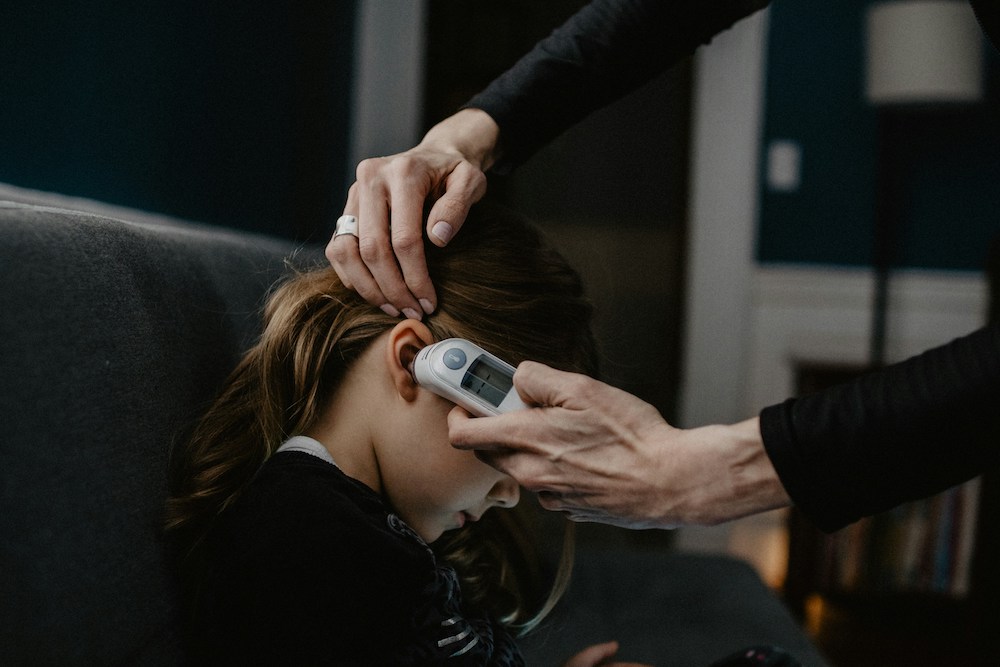


The sick season is here, and we’ve seen an increase in the number of patients with the common cold and flu. These respiratory infections often spread through close contact with sick individuals or by touching your face after coming into contact with contaminated surfaces. Fortunately, there are steps to take to protect your family and reduce the risk of illness this season.
As recommended by the American Academy of Pediatrics (AAP) and the Centers for Disease Control and Prevention (CDC), we highly encourage families to vaccinate their children against the flu. Babies and younger children are particularly at risk of developing severe complications from the flu, which may require hospitalization. Since a baby’s immune system is still developing, it is more challenging for their body to fight infections. The flu vaccine strengthens your child’s immune system and helps protect them from the virus. Children should receive their first flu vaccine at six months of age. If your child is under eight years old and receiving the flu vaccine for the first time or has only received one dose previously, they will need two doses four weeks apart for full protection.
In addition to the flu vaccine, there are several preventive measures you can follow to keep your kids safe from getting sick. Remind your children to practice good hygiene such as washing their hands regularly with soap and water for 20 seconds, especially before eating or touching their face. It’s also important to disinfect frequently touched surfaces. Make sure to wipe down toys, tables, doorknobs, and other areas your kids come into regular contact with. Keep your kids away from anyone who is ill, including other family members in the household. Extra care should be taken when visiting crowded public spaces, such as airports, where germs are more likely to spread.
Even though there is no cure for the common cold or the flu, there are ways to help ease your child’s symptoms and make them feel more comfortable if they do become sick. Getting plenty of rest and drinking lots of fluids is essential. For congestion, you can use a nasal spray to loosen and help get rid of mucus. A cool mist humidifier or a warm bath can also be effective for relieving congestion. If your child has a sore throat, you can provide them with herbal tea mixed with honey. However, this should be only for children over one year of age. Honey is NOT safe for babies under the age of one. The recommended amount of honey for children between one and five is half a teaspoon. Kids ages six to eleven can have one teaspoon, and for children over twelve, they can have two. If this isn’t sufficient in soothing their throat, you can give your older child a cough drop, but make sure to follow the product instructions.
If your child has a fever, you can give them acetaminophen or ibuprofen. But it’s important to follow the correct dosage based on your child’s age. We recommend following these guides for the right dosage: acetaminophen and ibuprofen. If your child’s fever is above 104°F or you have an infant under 3 months with a fever, seek medical care.
In most cases, the cold and the flu will improve with home care. If your child’s symptoms persist or get worse, please call our office. We also advise calling the pediatrician if your child is under 3 months or if they have chronic health conditions, such as asthma or diabetes, that put them at a higher risk of complications.