
As parents and caregivers, we want to keep our children healthy and safe from illnesses, especially life-threatening ones. Although there’s been a lot of recent noise about vaccine safety, medical science and pediatric experts remain clear that vaccination is safe and the most effective way to protect kids from serious illnesses. Extensive studies on vaccines and their potential risks find that recommended vaccines are safe for children and adolescents and are not associated with diabetes, infertility, autism, or any other developmental delay. Large-scale studies conducted in multiple countries over many years have found no credible link between life-saving childhood vaccines and autism. The original study that claimed a connection was retracted due to faulty data.
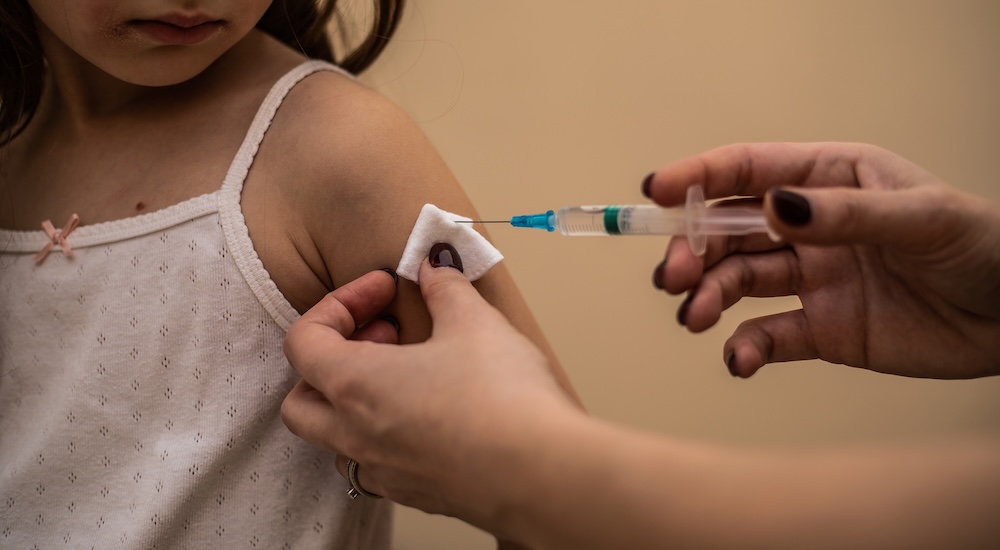
Scientific evidence also shows that vaccines do not cause Sudden Infant Death Syndrome (SIDS). While many vaccines are given at ages when SIDS risk is naturally higher, research confirms there is no causal relationship. In fact, some data suggest vaccines may even help reduce the risk of SIDS. Every vaccine undergoes strict testing before it’s offered to children. After approval, it continues to be monitored closely for safety through systems like the Vaccine Adverse Event Reporting System (VAERS). This ongoing surveillance helps catch rare side effects and ensures ongoing confidence in vaccine safety. It’s also important to remember that mild side effects, such as a sore arm or low-grade fever, are normal signs that the body is building protection. More serious adverse events are extremely rare, and pediatricians are trained to respond quickly if they occur.
The American Academy of Pediatrics (AAP) encourages following the recommended immunization schedule for children, which is based on the most recent scientific data. Starting with newborns, it’s recommended to give your infant their first dose of the hepatitis B vaccine before leaving the hospital, to protect against a virus that can lead to serious liver disease. Over their first six months, your baby will begin receiving additional vaccines, often around the 2-month checkup, including vaccines for rotavirus, DTaP (diphtheria, tetanus, pertussis), Hib (Haemophilus influenzae type b), polio (IPV), and pneumococcal disease. These early doses are critical because they protect infants during a time when their immune systems are still catching up. During this same window, babies can also receive medication to prevent respiratory syncytial virus (RSV), a leading cause of hospitalization in infants. Parents who are pregnant during RSV season may receive a vaccine to help protect their baby after birth.
Starting at 6 months, it is recommended that children get the annual flu vaccine, which is recommended for everyone over 6 months old. Even healthy kids can develop complications from influenza, and yearly vaccination helps reduce severe illness. The COVID-19 vaccine is also recommended for children beginning at 6 months, as young children are at higher risk of hospitalization from COVID. Both vaccines are safe and effective, and they can often be given at the same visit as other scheduled vaccinations.
As your child reaches 12 to 15 months, it is recommended that they receive vaccines to protect them from MMR (measles, mumps, rubella), varicella (chickenpox), and hepatitis A and get booster doses of earlier vaccines. These prevent illnesses that can cause serious complications, from pneumonia and brain swelling to liver disease. Before starting school, children should receive boosters for DTaP, polio, MMR, and varicella to keep their immunity strong. By this age, your child’s immune system has learned to fight off up to 16 preventable diseases, thanks to the vaccines they’ve received since birth. Staying on schedule not only protects your child but also helps prevent outbreaks in schools and communities.
Parents often wonder why vaccines are timed so specifically. The answer is that years of research show vaccines work best at certain ages and intervals. Following the schedule helps your child’s body build lasting protection during the periods when they are most at risk. Pediatricians keep careful track of each vaccine and can help you catch up if your child ever falls behind.
Hearing conflicting opinions about vaccines can be confusing. But your pediatrician is here to provide guidance and can talk you through the risks and benefits and help you make informed decisions that fit your family’s needs. If your child is behind on immunizations or if you have any questions about vaccines, please call our office.